Kenya's electoral system is guided by the Constitution and several laws designed to ensure elections are free, fair, transparent, and credible. As the country prepares for the 2027 General Election, understanding these laws can help voters, candidates, and political parties know their rights and responsibilities throughout the electoral process.
The Constitution Is the Foundation of Kenya's Elections
The Constitution of Kenya, 2010 is the supreme law governing elections in the country.
It guarantees every eligible citizen the right to vote and contest elective positions, establishes the Independent Electoral and Boundaries Commission (IEBC), and sets out the principles that elections must be free, fair, transparent, and conducted through a secret ballot.
The Constitution also outlines qualifications for candidates, election timelines, dispute resolution mechanisms, and the two-thirds gender principle for elective and appointive bodies.
The Elections Act, 2011
The Elections Act provides detailed rules on how elections are conducted.
It covers:
- Voter registration.
- Nomination of candidates.
- Campaign procedures.
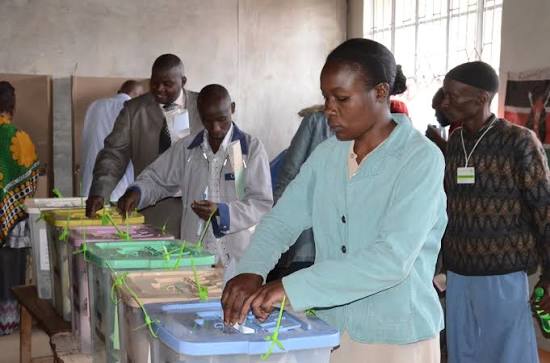
- Polling and voting.
- Vote counting and tallying.
- Declaration of results.
- Election offences.
- Election petitions.
The Act serves as the primary law governing the conduct of elections in Kenya.
The Role of the IEBC
The Independent Electoral and Boundaries Commission (IEBC) is the constitutional body responsible for managing elections and referenda.
Its responsibilities include:
- Registering voters.
- Conducting and supervising elections.
- Reviewing electoral boundaries.
- Providing voter education.
- Issuing regulations that govern polling, counting, election technology, and candidate nominations.
Political Parties and Campaign Rules
The Political Parties Act regulates the registration and management of political parties, internal party democracy, coalition agreements, and party nominations.
Campaign financing is governed by the Election Campaign Financing Act, which seeks to regulate campaign spending, funding sources, and financial disclosures, although some provisions have not yet been fully implemented.
Integrity Requirements for Candidates
Anyone seeking elective office must also comply with the Leadership and Integrity Act, which implements Chapter Six of the Constitution.
Candidates are expected to meet ethical and integrity standards before they can contest for public office.
Electoral Offences
The Election Offences Act, 2016 makes it illegal to engage in activities that undermine free and fair elections.
Some of the offences include:
- Bribery.
- Violence and intimidation.
- Voter impersonation.
- Multiple voting.
- Destruction of election materials.
- Misuse of public resources.
- Election-related hate speech.
Anyone found guilty of these offences may face prosecution and penalties under the law.
How Election Disputes Are Resolved
Different institutions handle election disputes depending on the nature of the complaint.
These include:
- IEBC Dispute Resolution Committee – nomination disputes.
- Political Parties Disputes Tribunal (PPDT) – disputes involving political parties.
- High Court – parliamentary and county election petitions.
- Resident Magistrates' Courts – specific local election disputes.
- Supreme Court – presidential election petitions.
Key Election Timelines
Kenya's Constitution sets important deadlines that guide every General Election.
These include:
- General elections are held on the second Tuesday of August every fifth year.
- Presidential election results must be declared within seven days after voting.
- Presidential election petitions must be filed within seven days of the declaration of results.
- The Supreme Court must determine a presidential election petition within 14 days.
Looking Ahead to the 2027 General Election
The IEBC has announced that Kenya's next General Election will be held on Tuesday, August 10, 2027.
The Commission has also indicated that public officers intending to contest elective positions, where required by law, must resign at least six months before the election.
As preparations gather pace, Kenyans are encouraged to verify their voter registration details, understand the electoral laws, and participate peacefully in the democratic process.