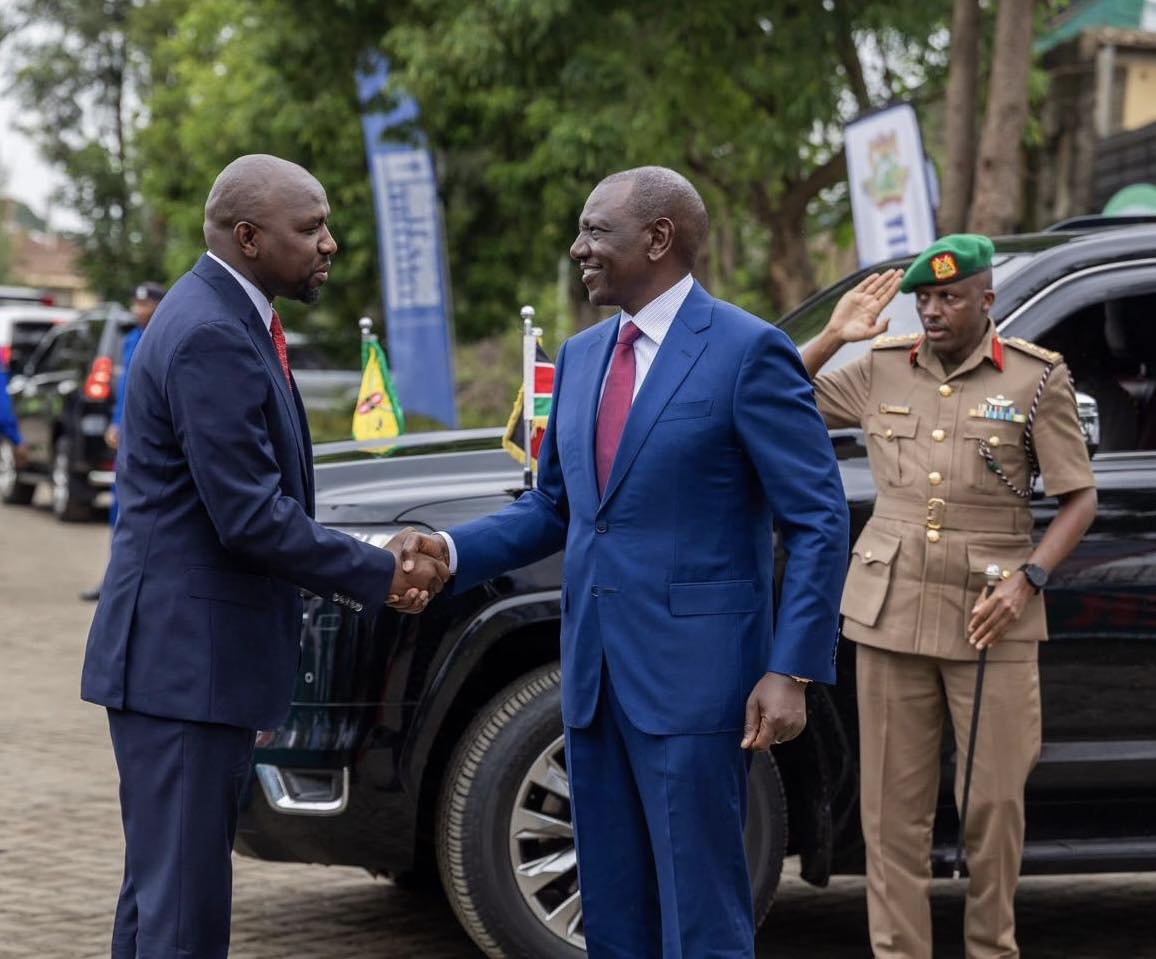
As Kenyans prepared to cast their ballots in 22 by-elections across the country today Thursday, Interior Cabinet Secretary Onesimus Kipchumba Murkomen moved to reassure the public that security measures were in place to safeguard the process.
After conducting security assessments in key constituencies — Kasipul, Malava, and Chwele-Kabuchai — Murkomen said the government had fully deployed officers to maintain order. “We have taken comprehensive steps to ensure security, order, and a conducive environment for all voters. Our officers are on the ground, fully deployed, and ready to ensure the process remains peaceful and transparent,” he said.
Murkomen urged voters to remain calm and avoid actions that could escalate tensions. He also cautioned political leaders, aspirants, and supporters against incitement, warning that the government would take firm action against anyone involved in intimidation, violence, or the deployment of “goons” to disrupt the democratic process.
The by-elections were triggered by a mix of circumstances, including the deaths of sitting MPs and court rulings that left certain seats vacant. In Malava, the contest follows the nullification of a parliamentary seat, while Kasipul is filling the seat left vacant after the assassination of a lawmaker. These contests are being closely watched as a barometer of political momentum ahead of the 2027 general elections. “The outcomes will not only determine representation in these areas but will also signal the strength of political parties and independent candidates ahead of the next general election,” said a political analyst.
Campaigns have been fraught with tension and accusations. In Kasipul, opposition candidate Boyd Were and independent Philip Aroko have faced a volatile campaign season, with supporters of both sides clashing at rallies. In Malava, DAP-K candidate Seth Panyako has been accused of procedural irregularities, including failing to resign from a public board before contesting, and of engaging in voter inducement. In Chwele-Kabuchai Ward, reports surfaced of supporters vandalizing property belonging to a sitting lawmaker backing a rival candidate. Such incidents have raised fears of retaliatory attacks and increased the stakes for law enforcement.
In response to growing tensions, the National Police Service (NPS) deployed both uniformed and plain-clothes officers at polling stations and tallying centers. Authorities say the measures are intended to reassure voters and deter disruptions. However, the presence of plain-clothes officers has drawn criticism. Some observers warn it could intimidate voters or be perceived as partisan, undermining confidence in the election. Murkomen defended the deployment, emphasizing that all officers are committed to professionalism and the rule of law.
Recent incidents in Malava, including clashes between police and opposition supporters during rallies, have heightened concerns about electoral violence. Observers say the by-elections will test not only party strength but also the impartiality of state institutions and the resilience of civil society in monitoring the process.


