Opposition leaders under the United Alternative Government have sharply criticised President William Ruto’s administration over the rising cost of living, accusing it of engaging in “pretence, propaganda and diversionary politics” instead of addressing what they describe as deepening economic hardship facing Kenyans.
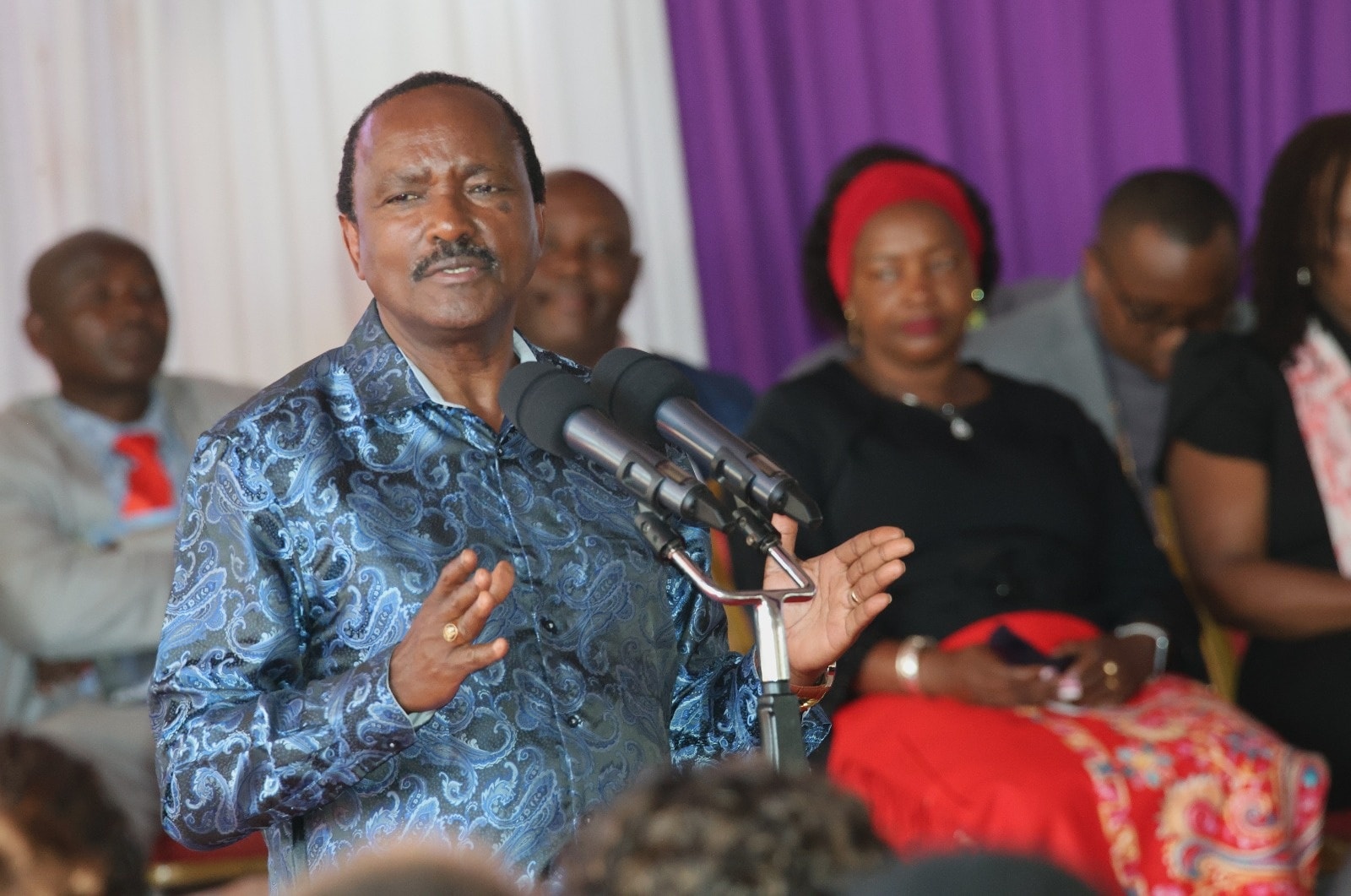
In an open letter dated June 3, 2026, led by Wiper party leader Kalonzo Musyoka and other opposition figures, the leaders directly challenge the President to refocus on governance, saying households across the country are increasingly strained by the cost of basic commodities and services.
“Let us stop the pretence, Mr President. Government is not propaganda,” the leaders told President Ruto in his capacity as Head of State, UDA party leader and Commander-in-Chief.
The opposition invokes several constitutional provisions, including Articles 1, 10, 73, 129, 131 and 258, arguing that the presidency carries an obligation of accountability, national unity and service to all Kenyans.
They insist that public office is a trust held on behalf of citizens and must be exercised in accordance with constitutional principles of integrity, transparency and responsibility.
At the centre of their criticism is the worsening cost of living, which they say continues to weigh heavily on ordinary Kenyans amid rising prices, taxation and unemployment.
“A mother in the market does not feed her children with propaganda. A boda boda rider does not fuel his motorcycle with blame games,” the letter reads. The leaders say households are struggling with high food prices, expensive fuel, rising rent and broader economic uncertainty, despite government claims that the economy is stabilising.
They further accuse the government of shifting focus to political rhetoric and past administrations instead of addressing current economic pressures.
“Stop campaigning against the past. Start governing the present,” the leaders state, in reference to continued political exchanges involving former President Uhuru Kenyatta and the Jubilee administration.
They argue that leadership should be centred on delivering solutions rather than engaging in what they term manufactured political enemies.
The letter places strong emphasis on the President’s constitutional duty under Article 131 to act as a symbol of national unity, and under Article 73 on leadership and integrity. The leaders also raise concern over what they describe as the increasing politicisation of state functions and the blurring of lines between government and party activity.
They highlight several sectors they say reflect the strain facing citizens, including the rising cost of living and taxation, fuel prices and transport costs, agriculture and food production challenges, healthcare reforms under the Social Health Authority and education funding and school costs, arguing that these pressures are being felt directly in households and require urgent government intervention.
The letter repeatedly returns to the lived reality of citizens, saying political messaging has not translated into economic relief. “A boda boda rider does not fuel his motorcycle with blame games. A graduate does not pay rent with slogans,” the leaders state.
The statement comes amid rising political activity ahead of the 2027 General Election, with opposition leaders increasingly framing economic hardship as the central political issue. The government has, in the past, defended its record, citing ongoing reforms in agriculture, infrastructure development and efforts to stabilise fuel and food prices. However, the opposition maintains that these interventions have yet to ease pressure on households, setting the stage for a sharper political contest in the months ahead.


