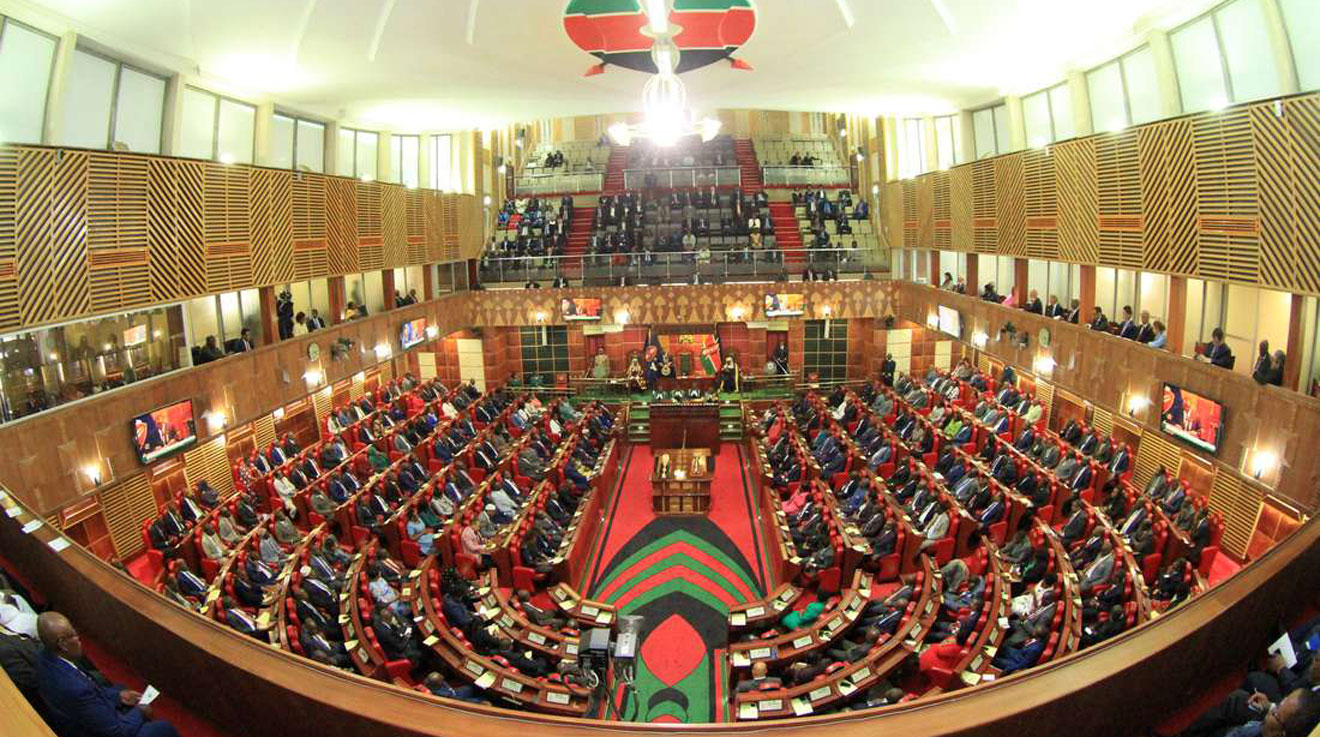
Members of the National Assembly Committee on Trade have raised concerns over a possible cover-up in the handling of a controversial sugar consignment after discovering that a refinery plant under investigation was actively operating, contrary to earlier claims that it was still under repair.
The revelation emerged during an inspection visit by the committee as part of its ongoing inquiry into the importation, storage, and processing of thousands of tonnes of sugar whose safety and compliance with regulatory standards have been questioned.
Lawmakers said they were taken aback after finding the refinery plant fully operational and processing sugar, just days after being informed that the facility would require at least two more months to complete repairs before resuming production. The inconsistency has prompted MPs to question whether the committee was given accurate and complete information regarding the plant’s operational status.
The committee said the discovery has raised doubts about transparency in the handling of the consignment and whether there was an attempt to mislead investigators during the ongoing probe.
Safety concerns over imported sugar
MPs also raised serious concerns about the safety and traceability of the sugar being processed. They noted that imported sugar bags lacked key labeling information, including dates of manufacture and expiry, making it difficult to verify product safety and shelf life.
Further concerns emerged after legislators established that even the processed sugar did not carry expiry dates, a requirement they said is essential for consumer protection and compliance with food safety standards.
The committee questioned how such products could be allowed into the market without proper labeling, warning that the gap could expose consumers to potential health risks.
Questions over company ownership and licensing
Lawmakers also sought clarification on the relationship between Kibos Sugar and Mombasa Sugar Company Limited (MSCL), raising questions about how a licence issued to Mombasa Sugar Refinery Limited (MSRL) for importation ended up with sugar being received and processed at Kibos facilities.
In response, company management told the committee that the firm was originally known as Kibos but later changed its name to Mombasa Sugar Company Limited after completing the required legal procedures.
However, MPs said the explanation was not sufficient and insisted on further documentation to clarify the movement of the consignment and the roles played by the different entities involved.
Documents demanded for accountability
The committee directed the company’s management, alongside the head of the multi-agency team overseeing the consignment, to submit all importation documents and related records for detailed scrutiny.
Lawmakers said the documents will be critical in determining whether the sugar was imported, handled, and processed in accordance with the law, and whether it meets the required safety standards for public consumption.
Ongoing inquiry
The committee is expected to continue its investigation into the importation of the raw sugar, with a key focus on compliance with legal and regulatory frameworks governing food imports and processing. MPs said the findings will guide possible further action, including accountability measures where irregularities are established.


