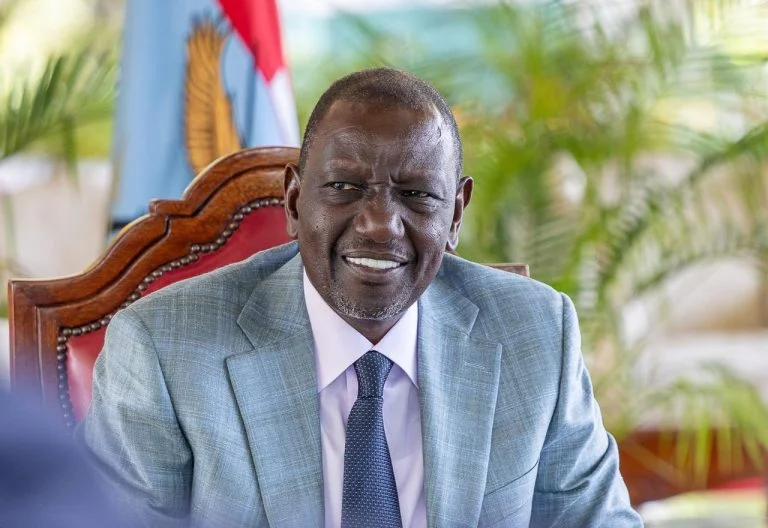
President William Ruto has escalated his attacks on opposition leaders following the passage of the Finance Bill 2026, dismissing their criticism of the legislation and accusing them of failing to substantiate their claims during debate in the National Assembly.
Speaking during a public event in Kirinyaga County on Monday, June 22, 2026, the Head of State said opposition lawmakers were embarrassed on the floor of the House after being challenged to identify the specific provisions they were criticizing in the controversial tax legislation.
The President argued that many of the claims made against the Finance Bill were based on misinformation and propaganda rather than facts contained in the document.
“Juzi wameenda hapo bunge, wamepeleka propaganda na uongo, wakaibishwa huko bunge wakati waliulizwa hiyo unayosema ni kipengele nambari ngapi. Wakakosa kujibu kwasababu ni watu bure sana. Watu wako chini,” Ruto said.
His remarks come days after the National Assembly passed the Finance Bill 2026 during its Third Reading, with 122 Members of Parliament voting in favour and 40 voting against the proposed legislation.
The bill generated intense debate both inside and outside Parliament, with opposition leaders and a section of civil society organizations arguing that some provisions could increase the cost of living and place additional burdens on ordinary Kenyans.
Among the critics was former Deputy President Rigathi Gachagua, who had urged lawmakers allied to his Democracy for Citizens Party (DCP) to reject the bill, describing the vote as a defining moment for the country. Other opposition leaders also raised concerns over proposed tax measures, expanded powers for the Kenya Revenue Authority (KRA), and changes affecting sectors such as second-hand clothing imports and digital transactions.
Despite the criticism, government leaders defended the bill, insisting that it does not introduce harmful taxes and is intended to improve tax administration while supporting economic growth.
The Finance Bill 2026 has emerged as one of the most politically contested pieces of legislation ahead of the 2027 General Election, with both the government and opposition using the debate to rally support among their respective political bases.
Political analysts noted that the debate surrounding the Finance Bill has increasingly become a test of political influence and alignment ahead of the next election cycle, with both sides seeking to shape public opinion on economic management and taxation.
With the bill now approved by Parliament, attention is expected to shift to its implementation and the political fallout from the divisive vote, which has further exposed the growing rivalry between President Ruto and the opposition coalition.


