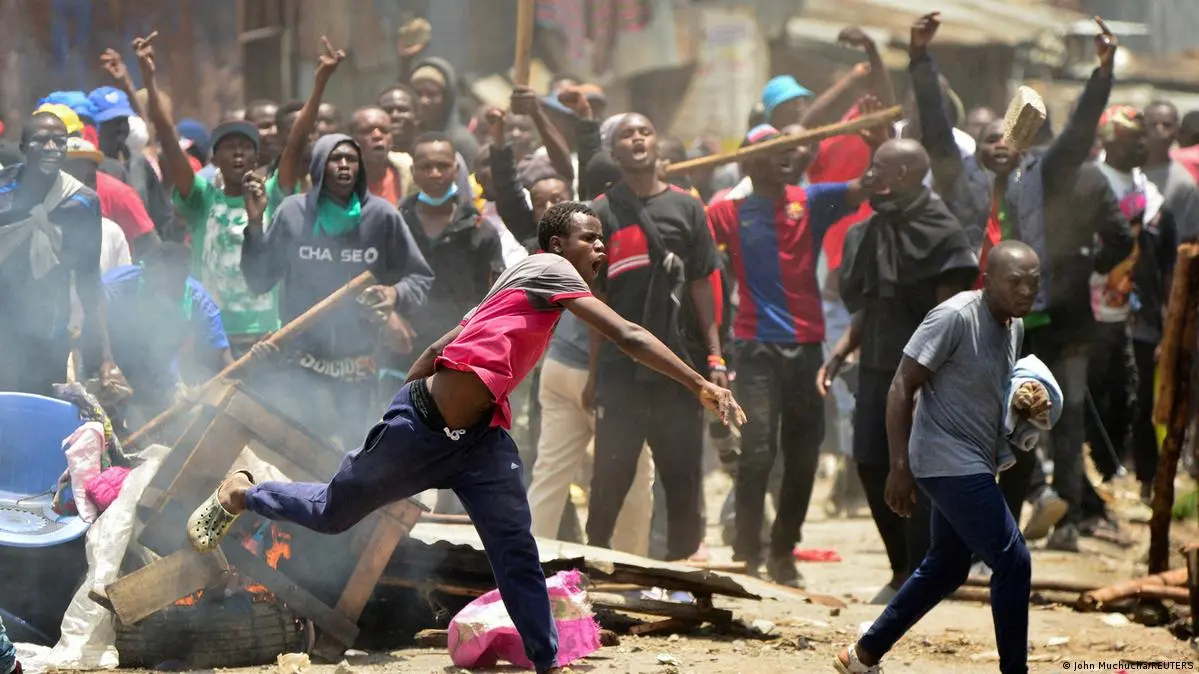
The Panel of Experts on Compensation of Victims of Human Rights Violations has officially commenced the payment of compensation to victims affected by protests and public demonstrations across Kenya, marking a significant milestone in the country's efforts to address historical injustices.
The announcement was made on Tuesday, June 23, 2026, signaling the start of the reparations programme covering victims of human rights violations committed between 2013 and 2025.
The panel, chaired by constitutional scholar Makau Mutua, confirmed that compensation payments are only being processed for victims who have formally provided their consent. According to the panel, consent remains the final requirement before funds can be released to beneficiaries.
Victims who have already been verified but are yet to submit their consent forms or payment details have been urged to do so as soon as possible to facilitate the compensation process.
In the first phase of the programme, 348 verified victims have received a combined total of Ksh448.7 million, with payments categorized according to the severity of harm suffered during protests and public demonstrations.
The largest share of the compensation has gone to families of individuals who lost their lives. According to the panel, 115 families have each received Ksh3 million, amounting to a total payout of Ksh345 million.
Another 24 victims who sustained severe injuries during demonstrations have received Ksh1 million each, bringing the total compensation for that category to Ksh24 million.
Additionally, 137 victims classified as having suffered moderate injuries have been awarded Ksh500,000 each, translating to Ksh68.5 million in compensation.
The panel also confirmed that 60 individuals who sustained minor injuries received Ksh50,000 each, amounting to Ksh3 million.
Speaking during an interview with Phil Director, panel representatives emphasized that the compensation programme is intended to acknowledge the suffering endured by victims and their families while promoting accountability and national healing.
The reparations initiative comes amid ongoing national conversations about justice, accountability, and compensation for victims of police brutality and human rights violations witnessed during various demonstrations over the past decade.
The compensation process is expected to continue in phases as the panel verifies additional claims and processes payments for eligible victims across the country.
Officials have reiterated their commitment to ensuring transparency and fairness throughout the exercise, while encouraging affected individuals who have not completed the necessary documentation to engage with the panel to avoid delays in receiving their compensation.
The programme represents one of the most comprehensive compensation efforts undertaken in Kenya's recent history and is expected to provide some measure of relief to victims and families who have waited years for recognition and redress.


