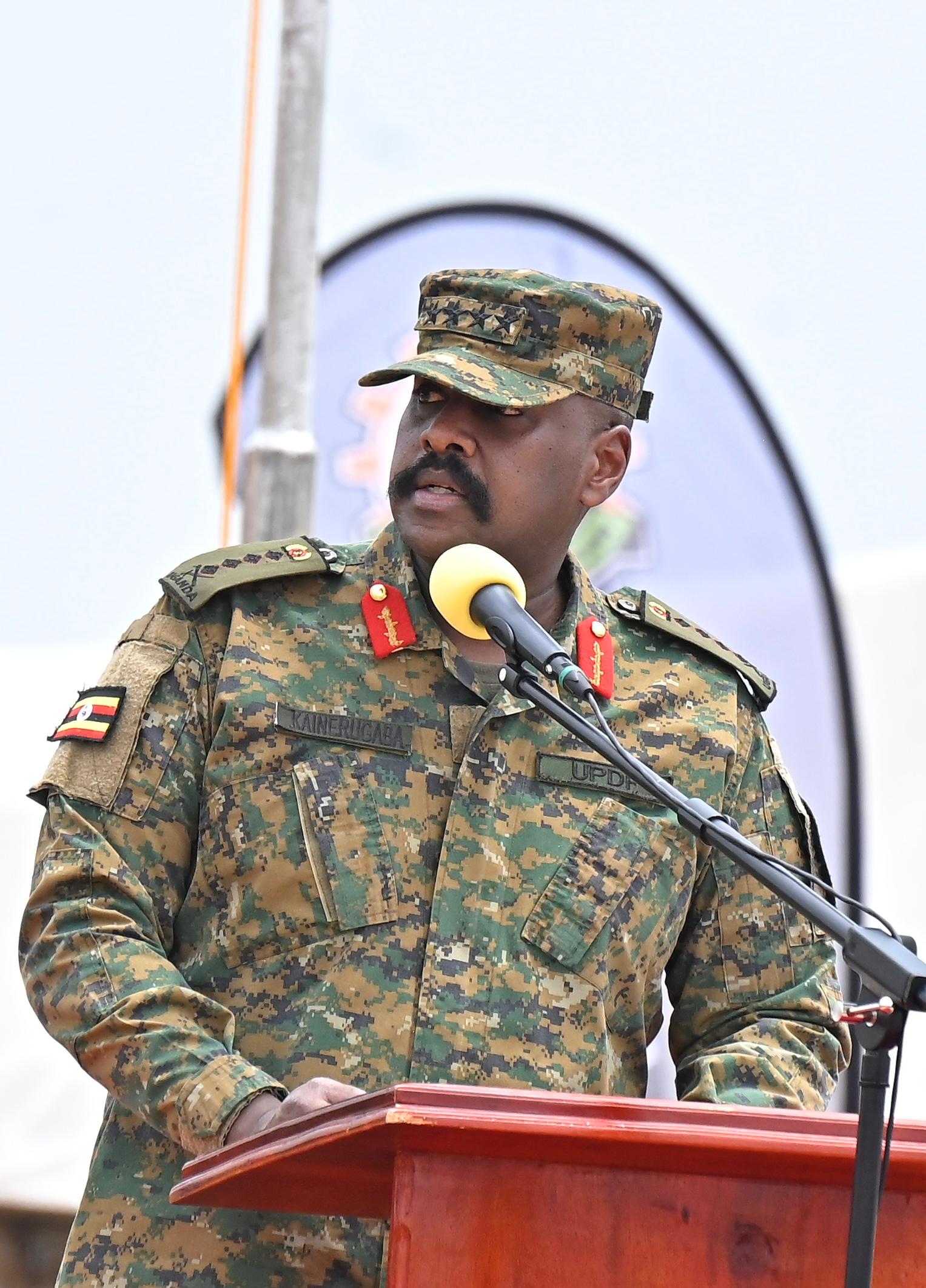
Uganda’s Chief of Defence Forces (CDF), General Muhoozi Kainerugaba, has publicly claimed responsibility for the deportation of Kenyan Senior Counsel and People’s Liberation Party (PLP) leader Martha Karua from Uganda, escalating a diplomatic and political controversy that has attracted regional attention.
In a statement posted on his X account, Muhoozi, who is also the son of Ugandan President Yoweri Museveni, said the decision to deny Karua entry into Uganda was his own and should not be attributed to the Ugandan Head of State.
“Do not blame my great father for this decision. I deported her myself. She's no longer allowed in our country,” Muhoozi wrote.
Karua had travelled to Uganda on Monday as part of a legal delegation attending a bail hearing involving detained advocate Erias Lukwago. She is also part of the legal team representing opposition figure Dr. Kizza Besigye, who remains in custody.
However, her visit was abruptly cut short upon arrival at Entebbe International Airport when immigration officials stopped her from entering the country.
According to Karua, she was detained by immigration officers shortly after disembarking from her flight and informed that she would not be allowed into Uganda.
“I asked them why they were snatching my phone because they were snatching them rudely. I was told I wasn’t being allowed entry due to security reasons,” she said.
The former Justice Minister revealed that she was subsequently placed on a return flight to Nairobi. While travelling back to Kenya, she reportedly learned that the travel restrictions against her extended beyond the single trip.
“I had been told there was a possibility of a red alert on my name for travel to Uganda,” Karua added.
The incident has sparked criticism from human rights advocates, lawyers, and democracy activists across the East African region, with many questioning the commitment of member states to the principles of free movement and regional integration under the East African Community framework.
Karua linked her deportation to a broader pattern of restrictions she says she has faced while attempting to observe politically significant legal proceedings in neighbouring countries.
“What I have realized now is that East Africa has shrunk. This is my second deportation. I was barred entry into Tanzania for daring to go and witness the trial of Tundu Lissu, yet their constitution says criminal trial is a public thing which anybody can go to,” she said.
The deportation has renewed debate about political freedoms, judicial transparency, and the treatment of lawyers and observers involved in high-profile opposition cases across the region.
Regional governance analysts noted that the incident could further strain discussions around democratic governance and freedom of movement within East Africa, particularly as concerns continue to emerge over the treatment of opposition figures and their legal representatives.
Neither the Ugandan government nor immigration authorities have publicly provided a detailed explanation regarding the specific security concerns cited in Karua’s case.


