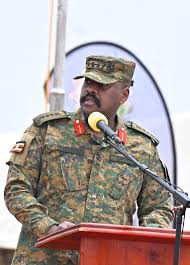
Uganda’s Chief of Defence Forces, Gen Muhoozi Kainerugaba, is facing mounting criticism after a series of social media pronouncements, media shutdowns, and alleged detentions of opposition-linked figures that rights groups say signal a deepening crackdown on dissent.
Gen Muhoozi, the son of President Yoweri Museveni and a widely discussed potential successor, has in recent days combined military authority with a highly provocative online presence, issuing directives that have directly affected media operations and opposition activity.
The most dramatic escalation came with the shutdown of two of Uganda’s largest independent media houses, NTV Uganda and Daily Monitor. Armed soldiers were deployed to their headquarters in Kampala, blocking staff from accessing offices and taking stations off air.
In a post on X, Gen Muhoozi wrote: “NTV and Monitor are being shut down from today!” He later added: “Both NTV and Monitor will not re-open without my permission.”
Defending the move, he posted: “I do not believe in free press. The press should be guided by cadres of the revolution.”
The statements triggered immediate condemnation from press freedom organisations, who said the actions represented one of the most serious assaults on independent journalism in Uganda in recent years.
But the controversy has extended beyond the media sector.
Opposition figures and civil society actors say Gen Muhoozi has also been directly linked to the detention and intimidation of political opponents. In several recent incidents, individuals associated with opposition politics have reportedly been picked up by security personnel and held without clear legal process, before being publicly referenced in his online posts.
In one case that drew widespread attention, Gen Muhoozi posted a photograph of opposition lawyer Erias Lukwago shortly after his arrest, appearing to confirm his detention. Rights organisations condemned the post, saying it blurred the line between lawful enforcement and political intimidation.
Human rights groups have also cited earlier statements in which the general boasted about inflicting “hurt and pain” on opponents, language critics say normalises violence against dissenting voices.
In another widely condemned episode in 2025, Gen Muhoozi claimed on social media that activist Eddie Mutwe was being held “in my basement”, a statement that triggered legal and human rights scrutiny and calls for accountability over unlawful detention.
Opposition politicians argue that the pattern reflects an expanding security-driven approach to politics in which dissent is increasingly treated as a security threat rather than a democratic right.
Political analysts say the convergence of military authority, political messaging, and personal social media commentary is unprecedented at this level in Uganda’s recent history. They argue that the blurred boundaries between command decisions and online statements have intensified uncertainty over accountability within the security establishment.
Gen Muhoozi’s actions have also previously triggered diplomatic unease. In 2022, he sparked regional controversy after claiming his forces could capture Nairobi in less than two weeks, forcing the Ugandan government to distance itself from the remarks.
Government officials have in past incidents sought to downplay his statements, but the latest developments have renewed scrutiny of the military’s role in domestic politics and the future direction of Uganda’s governance.


