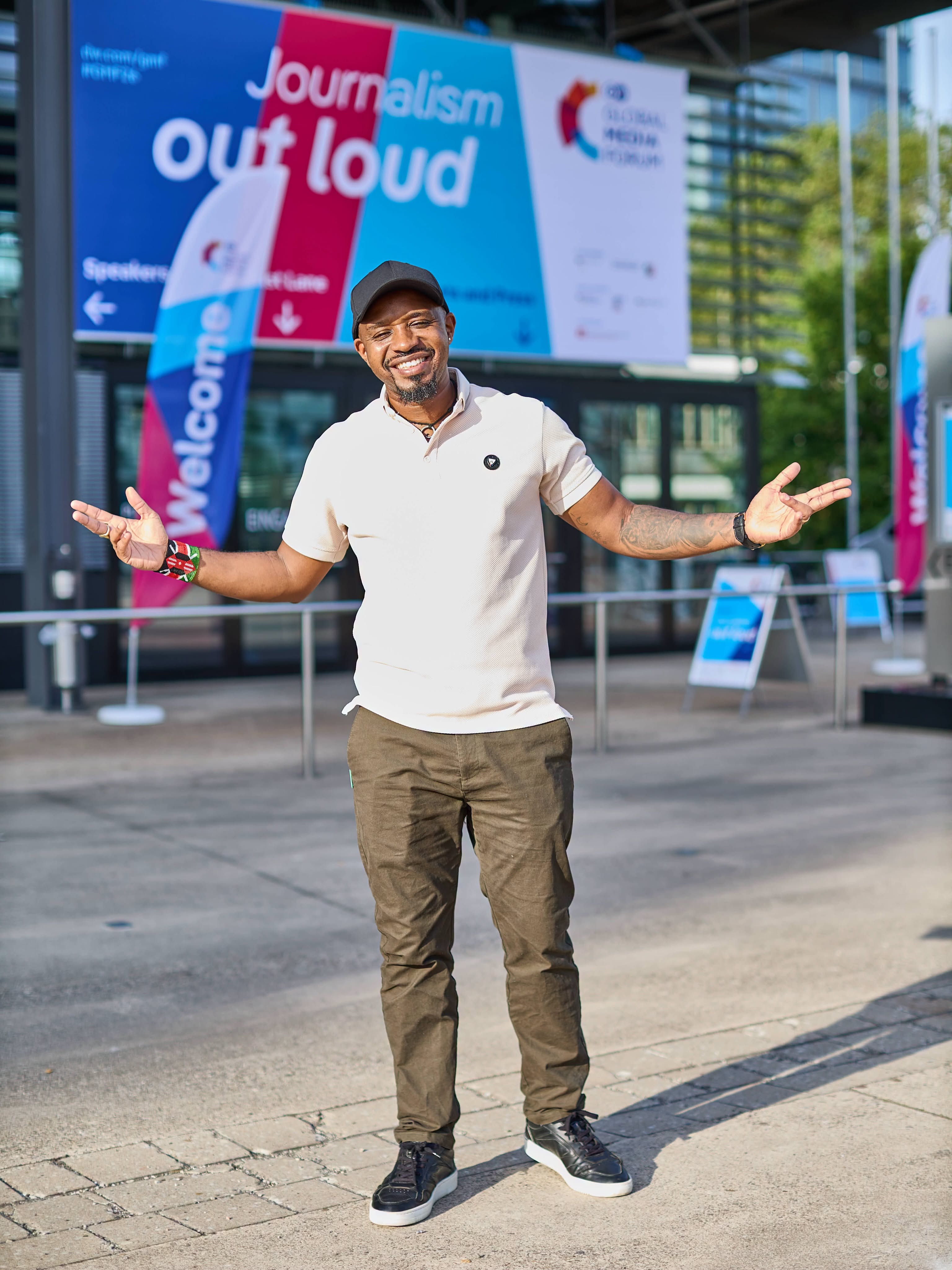
Activist Boniface Mwangi has told a court that he was assaulted by a police officer while in custody, rejecting allegations that he attacked the officer as his assault trial resumed at the Kibera Law Courts on Thursday.
The prosecution called Police Constable Robert Ouko as its witness, with the officer accusing Mr Mwangi of assaulting him during an incident that led to the activist's arrest.
However, Mr Mwangi denied the accusation and told the court it was the officer who assaulted him while he was being held in police cells.
"I informed the court that it was actually Ouko who assaulted me inside the police cells," Mr Mwangi said in a statement after the proceedings.
Mr Mwangi also questioned the credibility of the prosecution's evidence, saying the officer's testimony contained glaring inconsistencies.
According to the activist, the court was left puzzled when Constable Ouko testified that the shirt he wore during the alleged assault had been stained with blood from injuries he sustained but later disappeared from police custody.
"Constable Robert Ouko testified that the shirt he was wearing that day was stained with blood from his injuries, but it was later stolen from police custody by either myself or police officers under my control," Mr Mwangi said.
He argued that the testimony cast doubt on the handling of key evidence by investigators.
The hearing was adjourned to August 18, when the prosecution is expected to continue presenting its case.
Background
The case stems from July 2023, when Mr Mwangi was arrested during demonstrations in Nairobi against the high cost of living and the Finance Act. Prosecutors allege that during the arrest and subsequent commotion, the activist assaulted Police Constable Robert Ouko, causing him actual bodily harm.
Mr Mwangi was later charged with assault causing actual bodily harm, an offence he denied before the Kibera Law Courts. He was released on bond pending trial.
Since the charges were filed, Mr Mwangi has consistently maintained that he was the victim of police brutality. He has accused officers of using excessive force during his arrest and while in custody, arguing that the criminal case was intended to intimidate and silence him because of his activism.
The activist has also lodged complaints over his treatment during the arrest, insisting that he never assaulted any police officer and that the charges are politically motivated.
The trial has attracted interest from civil society organisations and human rights defenders, who have cited it as part of broader concerns over the treatment of protesters and activists during anti-government demonstrations.
The prosecution, however, maintains that it has sufficient evidence to prove the assault charge against Mr Mwangi, while the defence is expected to challenge the credibility of prosecution witnesses and the handling of evidence when the hearing resumes next month.


