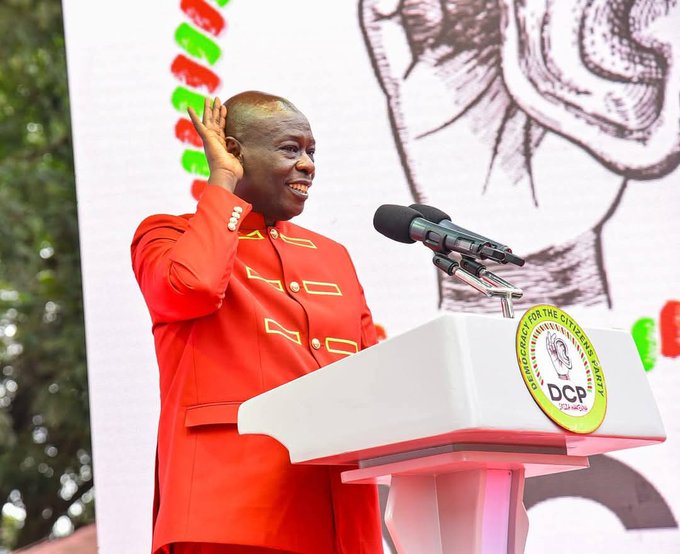
Former Deputy President Rigathi Gachagua has made a bold pledge to young Kenyan men, assuring them that marriage will become financially attainable if he wins the upcoming election. Speaking to supporters, Gachagua promised sweeping economic reforms designed to ease the growing pressure on youth struggling to build stable lives.
Gachagua’s statement “I want to assure young men that there’s no need to worry. Once I form the next government, I’ll streamline things so that within a year, you’ll all be able to marry” quickly gained traction across social media, sparking both enthusiasm and criticism.
Many young people have been voicing concerns about high unemployment, the rising cost of living and the increasing financial demands associated with marriage and family life. Gachagua’s comment appears aimed at reassuring a demographic deeply affected by economic hardship.
A Message Targeting Frustrated Youth
The promise reflects a growing trend among Kenyan political leaders to address youth frustrations, especially in urban areas where joblessness remains high. Gachagua has repeatedly emphasized the need to lower the cost of basic goods, stabilize the economy, and create jobs all key factors that influence the ability to start families.
Analysts suggest that his message was carefully designed to resonate with young men who feel excluded from economic opportunities.
Public Reaction: Hope, Skepticism and Humor
Following his remarks, reactions were mixed:
-
Supporters praised the promise as a sign that Gachagua intends to prioritize the youth.
-
Critics accused him of using emotional appeals rather than offering concrete policies.
-
Social media users turned the quote into memes, joking that a “marriage stimulus package” might be underway.
Despite the varied reactions, the statement has succeeded in placing youth welfare and particularly young men’s economic challenges at the center of political conversations.
Economic Barriers to Marriage in Kenya
Several factors continue to make marriage financially difficult for many young men in Kenya:
-
High unemployment rates
-
Rising cost of living
-
Price of dowry and traditional ceremonies
-
Difficulty securing stable housing
-
Limited access to affordable credit
Gachagua’s claim suggests that his administration would address these obstacles through structural reforms, though he did not give specifics in his remarks.
As political temperatures rise ahead of the next election, youth-centered pledges are becoming increasingly influential. Gachagua’s promise positions him as a candidate willing to directly confront everyday struggles of young Kenyans a group that forms the majority of voters.
Whether the pledge will translate into political support remains to be seen, but it has certainly intensified the national conversation on economic opportunity and the future of young families.


