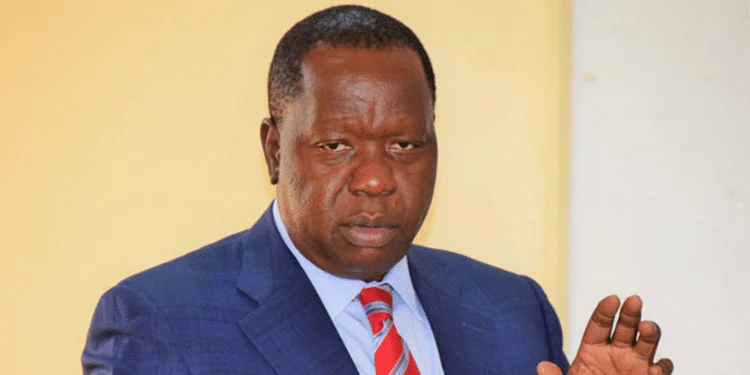
Democracy thrives on freedom freedom of choice, freedom of expression, and freedom of ideas. Dr. Fred Matiang’i captures this idea vividly by comparing the political arena to a bustling marketplace. Each politician arrives with their own “products”: policies, promises, track records, and ideologies. Just like vendors showcasing tomatoes, bananas, or avocados, leaders display what they believe will attract the public.
Politics as a Marketplace of Ideas
In this marketplace, voters are the buyers. They evaluate leaders based on credibility, consistency, and results. Just as consumers avoid vendors who sell spoiled produce, voters steer clear of leaders whose promises are empty or whose past delivery is questionable. The metaphor of “rotten avocados” illustrates leaders who return with the same old narratives that previously failed to deliver.
The Power of Voter Memory
Elections are shaped not only by campaign messages but by history. Voters remember who fulfilled promises and who didn’t. In 2022 and other past election cycles, many citizens observed leaders who made grand promises but delivered little. This memory becomes a filter for future choices, empowering voters to reject recycled failures.
In competitive markets, vendors improve their products to retain customers. Likewise, politicians must refine their policies and performance to sustain trust. Accountability strengthens democratic institutions, ensuring leaders understand that citizens will not buy into the same old rhetoric without tangible results.
Why Authentic Leadership Matters
Modern voters are more informed and more discerning. They analyze manifestos, track performance, and demand transparency. With rising awareness, leaders can no longer rely on emotional appeal alone; they must show measurable achievements and genuine commitment.
A functional democracy depends on leaders who offer fresh, sincere, and impactful ideas not outdated and ineffective ones. When politicians respect voters as intelligent decision-makers, they elevate the political environment and nurture national progress.
Dr. Matiang’i’s analogy of rotten avocados speaks directly to the heart of democratic accountability. When leaders fail to deliver, voters like customers in a market simply take their business elsewhere. This is the power of democracy: choice, responsibility, and continuous improvement.


