Lawyer Willis Evans Otieno has reignited debate over government spending after accusing President William Ruto’s administration of using handouts and political patronage to sustain political support, arguing that the system would collapse without access to public resources.
Mr Otieno, who shot to national prominence during the 2022 presidential election petition after his memorable “Piki Piki Ponki” presentation at the Supreme Court, has built a reputation as one of the country’s outspoken voices on governance, constitutional matters and accountability. The lawyer represented presidential candidate David Waihiga Mwaure in the petition challenging the election of President Ruto.
In his latest broadside against the government, Mr Otieno claimed that removing what he described as political patronage and handouts would expose the weaknesses of the administration.
“Remove the handouts and political patronage from this regime, and you'll see just how hollow it really is. The scale of public waste is staggering,” Mr Otieno said.
The lawyer questioned the cost of frequent government-organised gatherings, arguing that billions of shillings used in political mobilisation could instead transform critical sectors such as education, healthcare, agriculture and water provision.
Mr Otieno singled out State House meetings as an example, estimating that regular gatherings involving thousands of attendees could translate into billions of shillings in facilitation costs.
“If State House hosts 10,000 people twice every week for an entire year, the cash facilitation alone would amount to roughly Sh10.4 billion,” he said.
He added that the figure would rise significantly after factoring in other costs associated with such events.
“That excludes catering, transport, security, tents, event logistics, and payments to organisers and local political brokers,” Mr Otieno said.
According to the lawyer, the State House estimate only represents a fraction of what he termed a wider culture of political spending across the country.
“And that's just State House. It doesn't include the endless ‘empowerment’ events across the country,” he said.
Mr Otieno argued that the money could have a far-reaching impact if invested in projects that directly improve the lives of Kenyans.
“Imagine what that money could achieve if invested in classrooms, hospitals, water projects, agricultural support, or jobs instead of political spectacle,” he said.
Government defends empowerment programmes
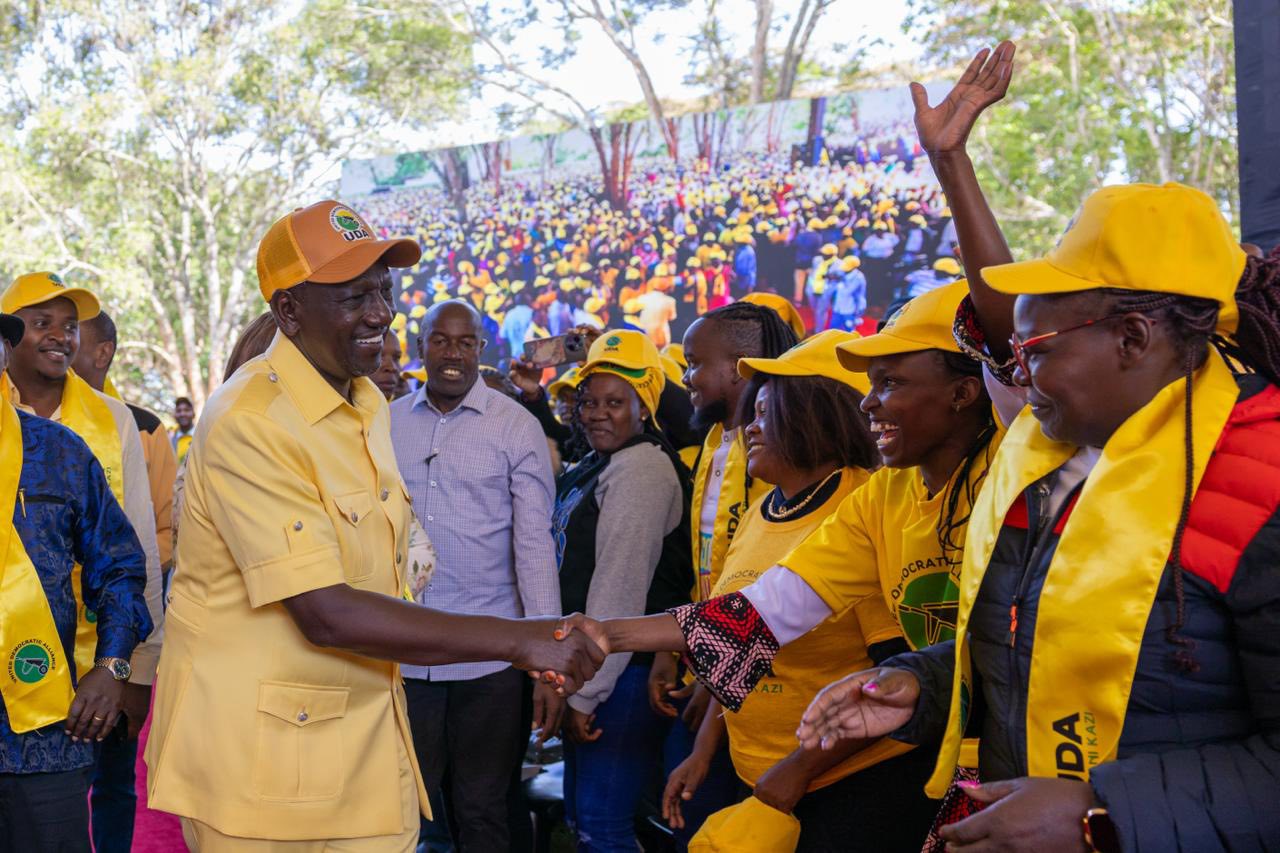
The accusations come amid continued criticism of President Ruto’s grassroots engagement strategy, which has seen the Head of State hold numerous meetings with groups ranging from youth and women organisations to traders, farmers and local leaders.
However, government officials have rejected claims that the programmes are political handouts, insisting they are part of efforts to empower ordinary citizens and promote economic inclusion.
President Ruto’s allies have maintained that the administration’s bottom-up economic model is focused on supporting small businesses, farmers and vulnerable groups rather than rewarding political supporters.
They argue that direct engagement with citizens helps government understand challenges at the grassroots level and connect people with available opportunities.
Opposition leaders have backed calls for greater scrutiny of government expenditure, accusing the administration of prioritising political activities while Kenyans face economic difficulties.
They have questioned the cost of government events amid concerns over the high cost of living, taxation pressures and rising public debt.
The debate is expected to intensify as political parties position themselves ahead of the 2027 General Election, where questions around accountability, public spending and the economy are likely to shape political narratives.
Mr Otieno warned that unchecked expenditure could undermine the country’s long-term interests.
“We have an obligation, as citizens, to save our country from a culture of waste that mortgages our future,” he said.
The lawyer’s remarks add to growing scrutiny of government spending, with critics demanding greater transparency on how public resources are used and supporters insisting that grassroots programmes are central to delivering the administration’s development agenda.


