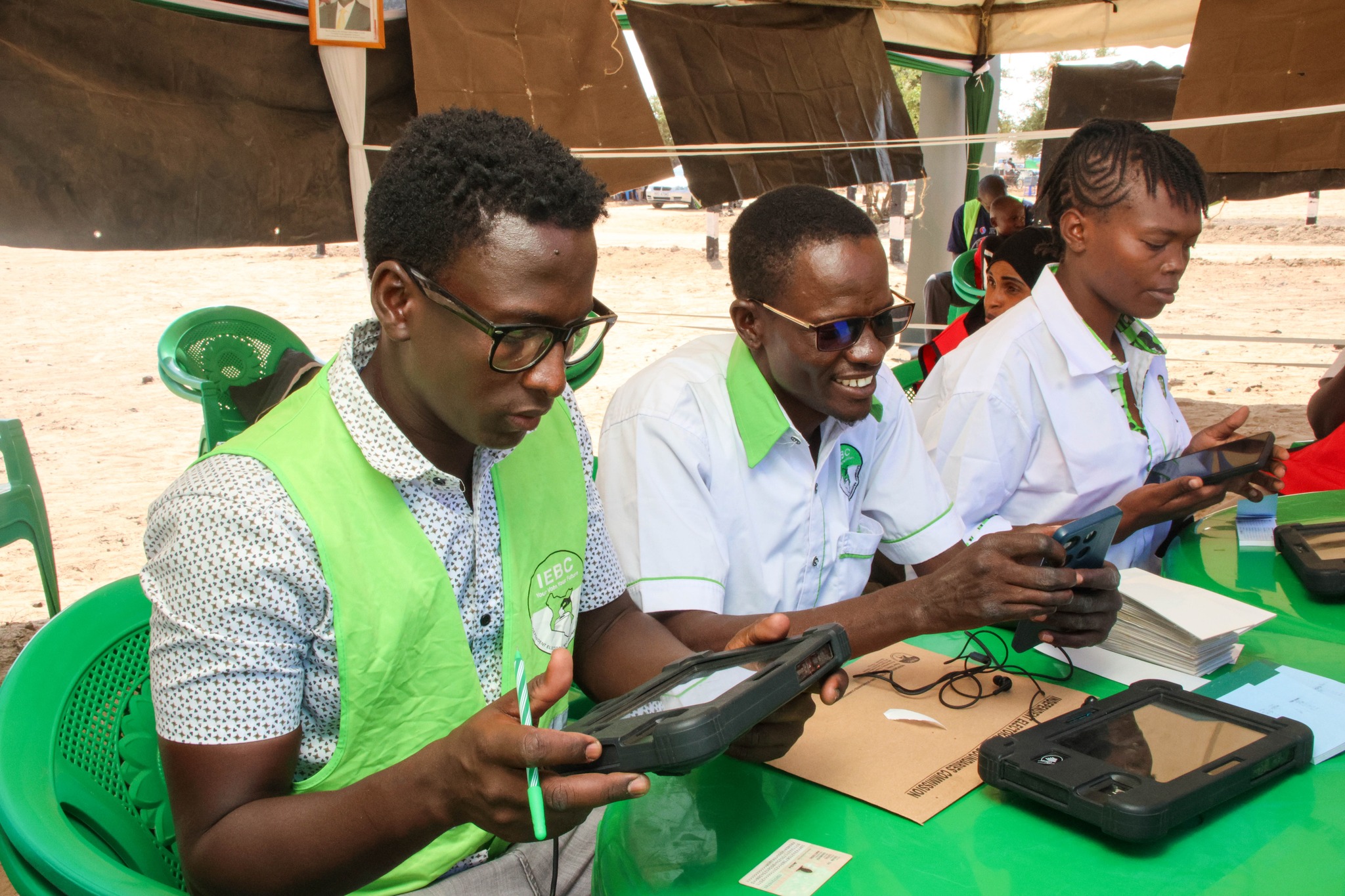
A lack of identification documents, poor roads, flooding and harsh weather emerged as major obstacles to Kenya's voter registration drive, exposing the barriers the Independent Electoral and Boundaries Commission must overcome before the 2027 General Election.
The IEBC is reviewing the first phase of its Enhanced Continuous Voter Registration exercise, conducted between March 30 and April 28, 2026, after the exercise exposed gaps in access to registration services across the country.
“The goal is to make Phase Two more citizen-centred, accessible, responsive and efficient, while maintaining the integrity, security and credibility of the voters’ register,” IEBC Vice-Chairperson Fahima Abdalla Araphat said.
The commission said Phase One encountered several challenges, including the lack of identification documents, geographical and logistical difficulties, poor road infrastructure, adverse weather conditions, drought and flooding.
Araphat said the review was intended to ensure the commission does not repeat the same mistakes as it prepares for the next phase of registration.
She urged participants at the assessment workshop to “reflect on the experience of Phase One, identify what worked well and develop practical measures for improvement.”
The Vice-Chairperson said the exercise had also provided important lessons for the electoral body, even as she commended IEBC staff and stakeholders for their contribution to the registration drive.
“We have an important opportunity to draw lessons from what we have done and use them to strengthen the next phase,” she said in remarks that underscored the commission's push to turn the challenges encountered during Phase One into changes in its operations.
Despite the hurdles, the IEBC said several interventions had helped expand access to voter registration services.
These included increasing the number of registration kits, adopting the open-kits strategy and strengthening registration and customer-service initiatives.
But the commission's own assessment shows that equipment alone may not be enough to reach every eligible voter.
The lack of identification documents remains a particularly significant challenge, potentially preventing some eligible Kenyans from registering even where IEBC services are available.
Araphat said the commission would respond by strengthening collaboration with relevant agencies, particularly on challenges that cannot be addressed by the electoral body alone.
“We will strengthen collaboration with relevant agencies, enhance public sensitisation and inter-agency coordination, and improve area-specific operational planning,” she said.
The move towards area-specific planning could see the IEBC adopt different approaches for regions facing unique challenges, particularly areas affected by poor infrastructure, difficult terrain, drought or flooding.
Acting Commission Secretary and Chief Executive Officer Ruth Kulundu called for an open assessment of the exercise, saying the problems encountered should be used to improve the commission's future operations.
“The challenges encountered should be treated as lessons rather than failures,” Kulundu said, urging participants to focus on the commission's institutional experience.
She called for an “open and objective assessment” and challenged participants to develop “practical, evidence-based recommendations” for Phase Two.
Kulundu said the value of the workshop would depend on whether its findings were translated into improvements on the ground.
The commission expects the recommendations to guide changes in planning, service delivery, stakeholder engagement, security, communication and operational preparedness.
The review comes as the IEBC seeks to expand the voters' register ahead of the 2027 polls, a process in which access and credibility will be closely linked.
For voters in remote areas, registration can depend on whether they have identification documents, whether roads are passable and whether registration teams can reach them.
Flooding and adverse weather can isolate communities, while drought and geographical challenges can complicate the deployment of personnel and equipment.
The commission is now under pressure to ensure that these barriers do not translate into the exclusion of eligible voters.
Araphat challenged the participants to ensure the assessment produces “clear, practical and implementable recommendations” capable of improving the next phase.
The IEBC's review will therefore test whether the obstacles identified during the first phase — from the ID crisis to poor roads and extreme weather — can be converted into workable solutions before the voter registration exercise moves into its next and more critical stage ahead of the 2027 General Election.


