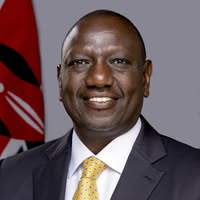
Orange Democratic Movement (ODM) is grappling with fresh internal unrest as senior members question the party’s direction, leadership stability, and its relationship with President William Ruto’s administration.
The latest trigger came from ODM life member Rachael Tabitha Machoka, who demanded public clarification from chairperson Gladys Wanga and director of elections Junet Mohamed over claims that party assets were being “secretly sold.” She warned that the leadership’s silence “deepens mistrust” at a time when ODM is still stabilizing after the death of its long-time party leader.
The tensions come just weeks after ODM’s National Executive Committee endorsed Oburu Oginga as interim party leader, a move seen as an attempt to steady the party and project unity. Oburu has since urged members to “focus on delivering results,” following ODM’s recent electoral successes, including by-election wins in Ugunja and Migori.
But unity remains elusive. A faction led by Secretary-General Edwin Sifuna has threatened to resign if ODM backs President Ruto in the 2027 election, warning that aligning with the government risks eroding the party’s identity as a steadfast opposition force. Their position has been complicated by external pressure from political rivals, including former Deputy President Rigathi Gachagua, who has publicly urged Sifuna and other ODM leaders to defect, portraying their party as weakened.
At the same time, political observers say Gladys Wanga has emerged as a central figure in maintaining ODM’s influence across Nyanza, with analysts describing her as a “power anchor” in the region. Yet the growing rift highlights the deeper ideological struggle over whether ODM should remain a confrontational opposition party or embrace a pragmatic working relationship with the ruling coalition.


