The Government’s handling of school capitation has come under fresh political scrutiny after the Auditor-General questioned the accuracy of learner numbers used to distribute more than Sh103 billion to primary and secondary schools.
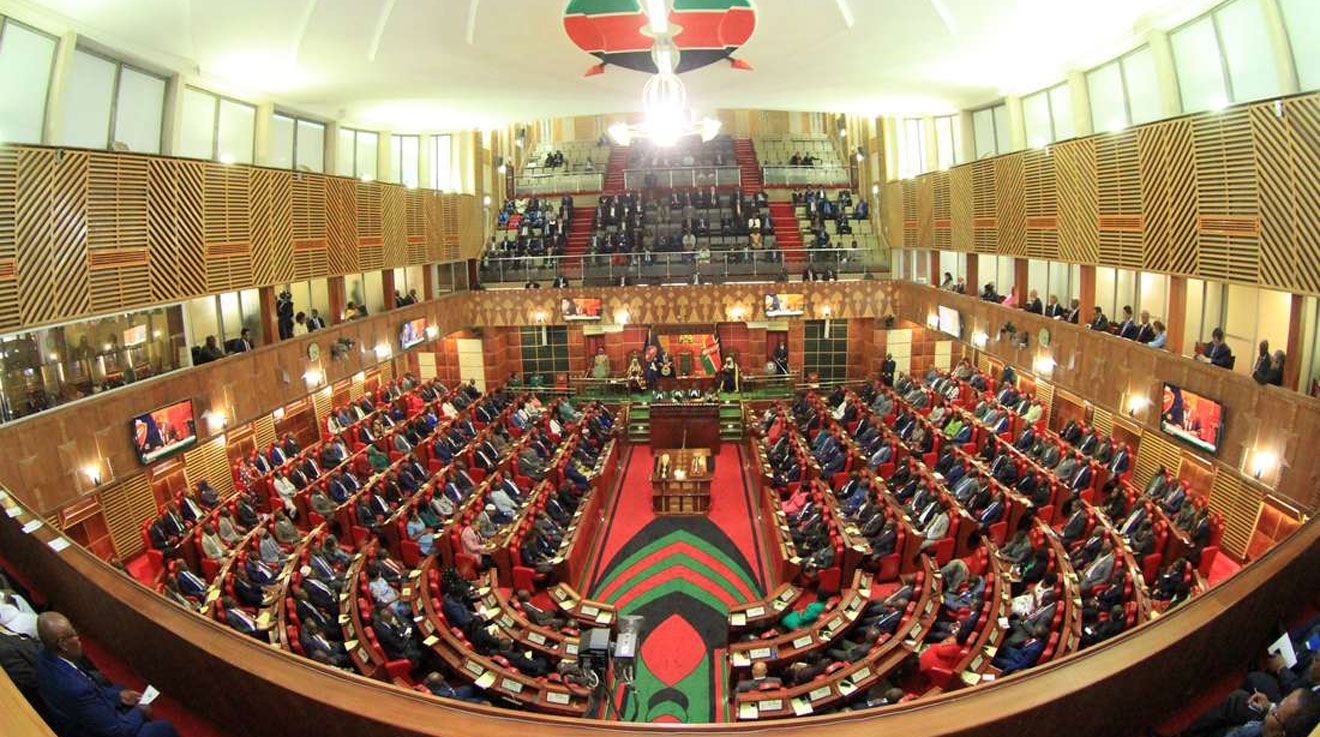
The revelations have put the administration of President William Ruto on the defensive in Parliament, with MPs demanding answers on how billions of shillings can be allocated when the system used to determine the number of beneficiaries is itself flagged for weaknesses.
The Auditor-General found that the Government disbursed Sh63.95 billion for Free Day Secondary Education, Sh30.99 billion for Junior Secondary Education and Sh9.05 billion for Free Primary Education using enrolment data captured in the National Education Management Information System (NEMIS).
But the audit found no documentary evidence showing that the learner data had been verified by the respective Sub-County Education Offices before the funds were released.
The Auditor-General also questioned the absence of a clear cut-off date in NEMIS, saying the continuous updating of learner information makes it difficult to establish the exact number of learners at a particular point in time.
The system, the audit found, also excludes learners without birth certificates and does not provide funding for learners aged 18 and above.
The findings have given MPs fresh ammunition to question the Government’s management of education funds, with the Public Accounts Committee demanding explanations from Basic Education Principal Secretary John Ololtuaa.
Committee chairman Tindi Mwale questioned whether the Government was effectively releasing public money based on figures that had not been confirmed.
“NEMIS was introduced to digitise student records and streamline processes such as capitation disbursement. Are you saying money is disbursed to unconfirmed learners?” Mwale asked.
The Auditor-General's concerns go beyond the national figures.
In separate audits, the office identified discrepancies between learner numbers contained in NEMIS and actual school registers, with some institutions recording fewer learners in the system than in their physical records while others had more learners captured in NEMIS.
At Ole Tipis Girls Secondary School in Narok, the audit established differences between NEMIS figures and school records, resulting in underfunding of Sh536,593.
In another case, the Auditor-General found that a school had been overfunded by Sh754,854 after NEMIS recorded more learners than were contained in the school’s records.
The audit also identified a case where discrepancies between NEMIS and school registers resulted in underfunding of Sh6.9 million.
The findings have raised questions over the reliability of the figures used by the Education Ministry to determine the amount of capitation each school should receive.
Gatundu South MP Gabriel Kagombe put the concern directly to the Education Ministry.
“How sure are we that this money got to the intended students if your data is not verifiable?” Kagombe asked.
Ololtuaa acknowledged that NEMIS had weaknesses but rejected the suggestion that the Government had evidence of irregular capitation payments arising from the problems identified by the Auditor-General.
The PS told MPs that the Government was preparing to replace NEMIS with the Kenya Education Management Information System (KEMIS).
“The current disbursement we have done, we actually didn’t use KEMIS because KEMIS is still being finalised. So, we used the verified data from the field,” Ololtuaa said.
The explanation, however, triggered further questions from MPs over the decision to move away from the system that is officially used to maintain national learner records.
“Do you have the approval communication from the ministry or government to use that system?” Mwale asked.
Samburu West MP Naisula Lesuuda demanded documentary evidence to support the Ministry’s position.
“PS, these are just stories. We need you to actually answer the query,” Lesuuda told the official.
The committee also demanded documents showing how the Ministry arrived at the decision to replace NEMIS with KEMIS and questioned whether public funds would be spent unnecessarily in the transition.
Ololtuaa committed to provide the requested documentation to Parliament within two weeks.
The Auditor-General’s findings have placed education capitation among the latest areas where MPs are demanding greater accountability from the Ruto administration over the use of public funds.
The scrutiny comes as the Government continues to defend its record on education and its efforts to expand access to basic education.


