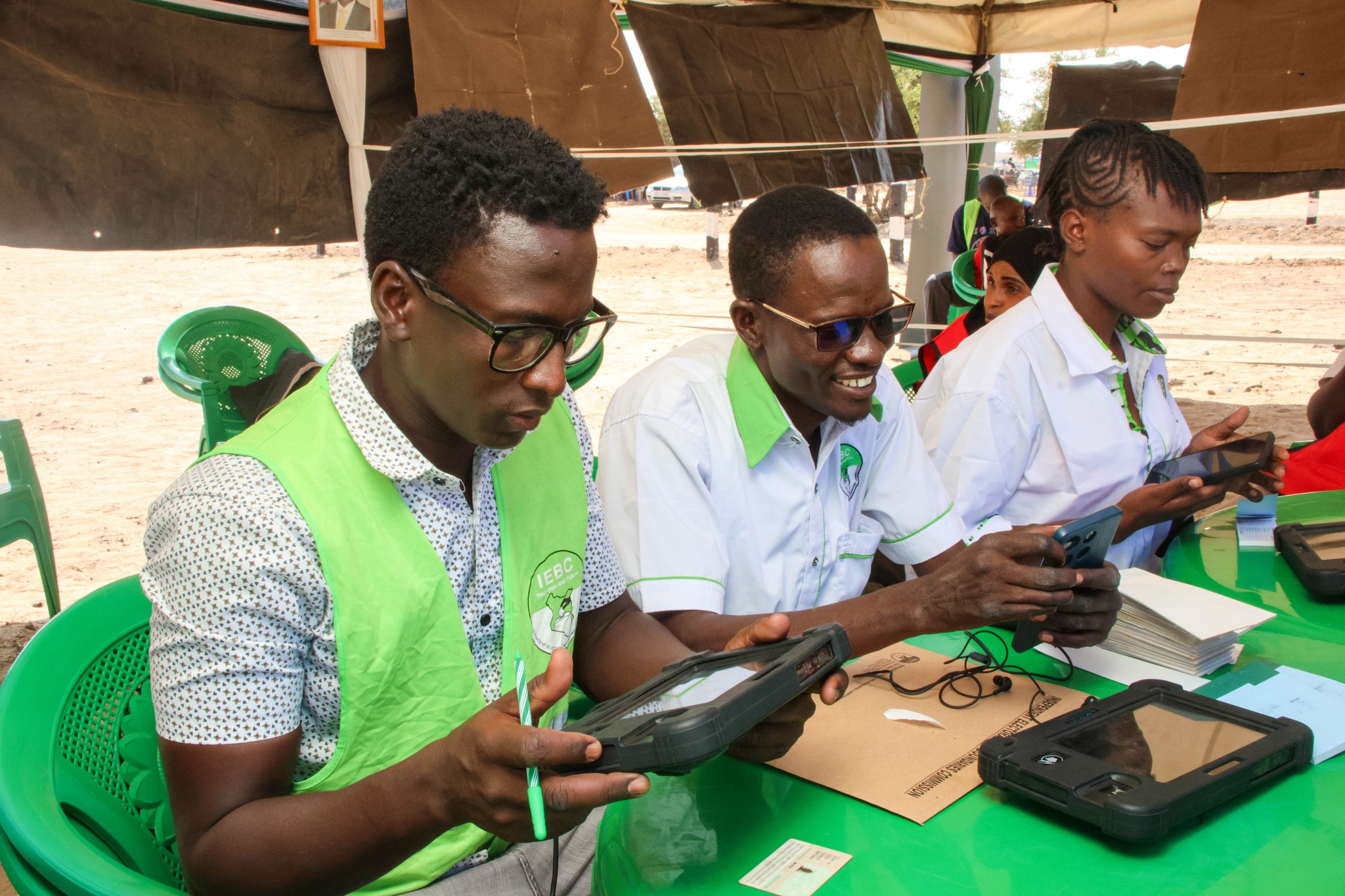
The Independent Electoral and Boundaries Commission (IEBC) has begun a review of its voter education and public communication framework as it steps up preparations for the 2027 General Election.
The review will cover the Commission’s voter education policies, National Voter Education Curriculum, operations manuals, guidelines and standard operating procedures, with officials saying the documents must keep pace with changes in technology, media and the way Kenyans consume electoral information.
Commissioner Ann Nderitu, who represented IEBC chairperson Erastus Ethekon at the workshop, said the review was intended to ensure the Commission’s public outreach remained relevant as it prepares for the next election.
“The documents we are reviewing today are the instruments that will guide our journey towards the 2027 General Election. They should be grounded in the principles of trust, transparency, inclusion and accountability,” Dr Nderitu said.
She said the Commission was aware of the rapidly changing technology and media environment and would align its communication strategies with the information needs of citizens.
“The Commission is alive to the evolving technology and media landscape and will align its strategies to address the information needs of citizens,” she said.
The workshop brings together IEBC staff and stakeholders involved in developing the Commission’s voter education and communication materials. They are expected to examine the existing framework, identify gaps and recommend changes before the 2027 election.
The review is part of a wider programme of preparations for the August 2027 General Election. IEBC’s current election preparations cover voter registration, voter education, electoral technology, logistics, stakeholder engagement, security and electoral dispute resolution.
The Commission has increasingly focused on the challenge of misinformation and the changing role of digital platforms in elections. In May, IEBC chairperson Erastus Ethekon warned that false claims about the electoral process could distort public perceptions and undermine confidence in elections.
IEBC has also been expanding its engagement with the media and civil society as part of preparations for 2027. Earlier this year, the Commission entered into a partnership with the Kenya Media Sector Working Group aimed at promoting accurate and timely reporting of electoral processes and addressing misinformation and emerging digital threats.
The Commission has separately been using social media platforms to reach voters, with its county offices increasingly turning to digital content, videos, live broadcasts and infographics to explain voter registration and electoral procedures.
The latest review also comes as IEBC works to expand voter participation. The Commission has said it registered more than 2.6 million new voters during the first phase of enhanced continuous voter registration, bringing the total number of registered voters to about 24.7 million at the time of the update, against a target of 28.5 million for the 2027 election.
Nderitu said the communication framework must therefore be designed to reach different groups of voters and provide information that is accessible, timely and easy to understand.
She was accompanied at the workshop by commissioners Marykaren Sorobit and Dr Alutalala Mukhwana, as well as Hassan Noor Hassan.
The review of the voter education curriculum and communication documents is scheduled within IEBC’s broader 2027 preparations, with the Commission’s election operations plan setting out activities for updating voter education materials, translating information for marginalised groups and digitising electoral information.


