Sugar millers want the government to stop treating imports as a stand-alone policy decision, saying they should have a say on when foreign sugar enters the market and in what quantities.
The millers told MPs on Wednesday that they were not against sugar imports, but warned that poorly timed shipments could leave locally produced sugar sitting in warehouses while farmers struggle to find a market for their cane.
Their message was simple: imports are necessary to fill gaps in local production, but they must be planned around what local millers already have in stock.
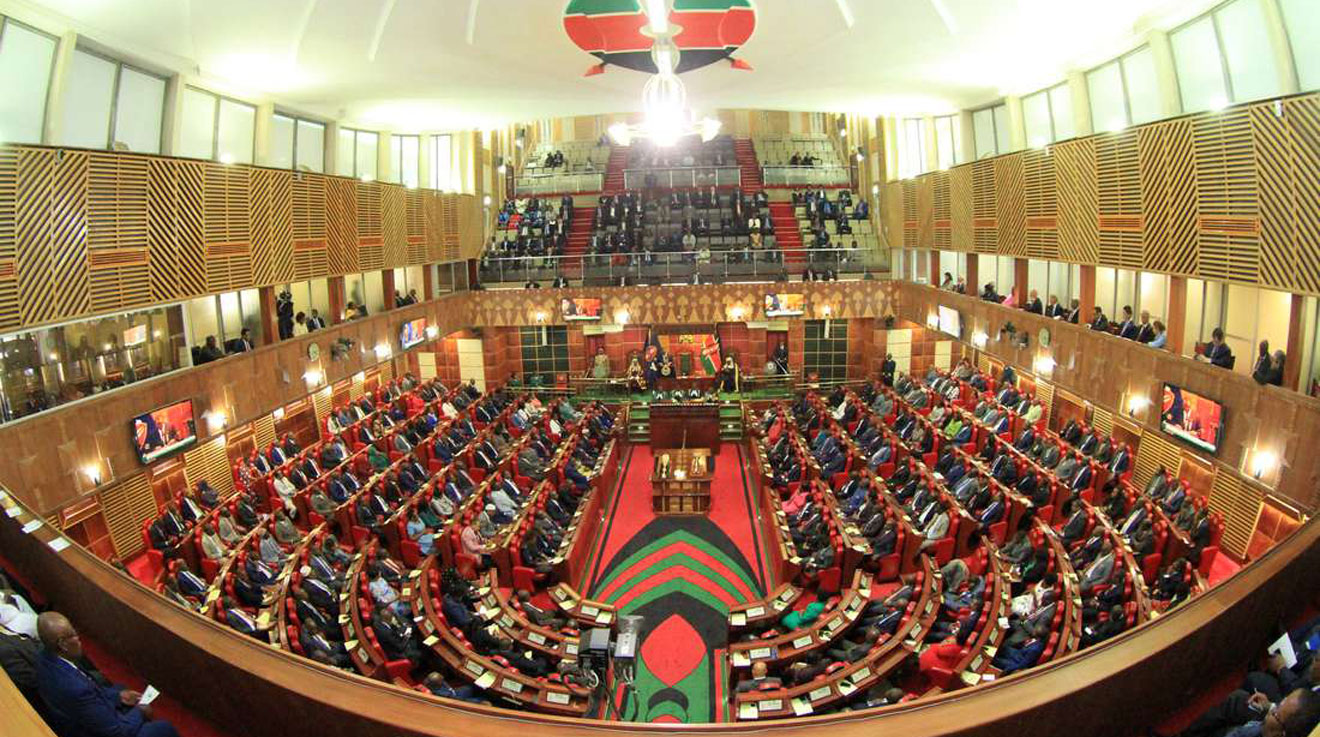
Butali Sugar managing director Sanjay Patel told the National Assembly Trade, Industry and Cooperatives Committee that millers should be brought into decisions on when sugar is imported, how much comes in and when it is released for sale.
“What we produce locally cannot fully satisfy the need; however, we want good importation structures to be put in place for us to compete fairly,” Patel said.
He said imports should be released in batches instead of flooding the market at once.
“If you bring everything at once, the locally produced sugar has no market,” Patel told the committee.
The concerns were raised as the committee, chaired by Ikolomani MP Bernard Shinali, began an inspection of sugar companies in Western Kenya to assess the state of the industry and the effect of imported sugar on local producers.
For farmers, the timing of imports can have a direct impact on the market for their cane.
Millers said they bear the cost of buying and processing locally grown cane, only to find themselves competing with imported sugar that may enter the market when local stocks are still available.
Butali also asked the government to restrict the repackaging of sugar, arguing that millers should be allowed to handle the repackaging of their own products into smaller quantities.
The company said this would help guarantee hygiene and give consumers greater confidence in the sugar they buy.
At Mumias Sugar, however, the committee heard a slightly different view on imports.
Mumias Sugar operations manager Stephen Kihumba said the recent importation of 27,000 metric tonnes of raw sugar by Mombasa Sugar Refinery had not affected the company because the consignment was intended for industrial use.
He acknowledged that imports can help regulate supply and prevent prices from rising sharply, but said the importation system needed to be better organised.
The two positions point to the delicate balance facing Kenya's sugar industry.
Consumers need a steady supply of affordable sugar, while local millers need enough room in the market to sell what they produce and continue buying cane from farmers.
Shinali said the committee's inspection was partly prompted by the recent importation of raw sugar and would help MPs establish its impact on local millers and farmers.
The committee also inspected the Constituency Industrial Development Centre in Ikolomani, where MPs were told that the facility is yet to become operational because it has no electricity.
The inspection continues Thursday, with the committee scheduled to visit Busia Sugar Company, Nasewa EPZ and the Busia County Aggregation and Industrial Park.


