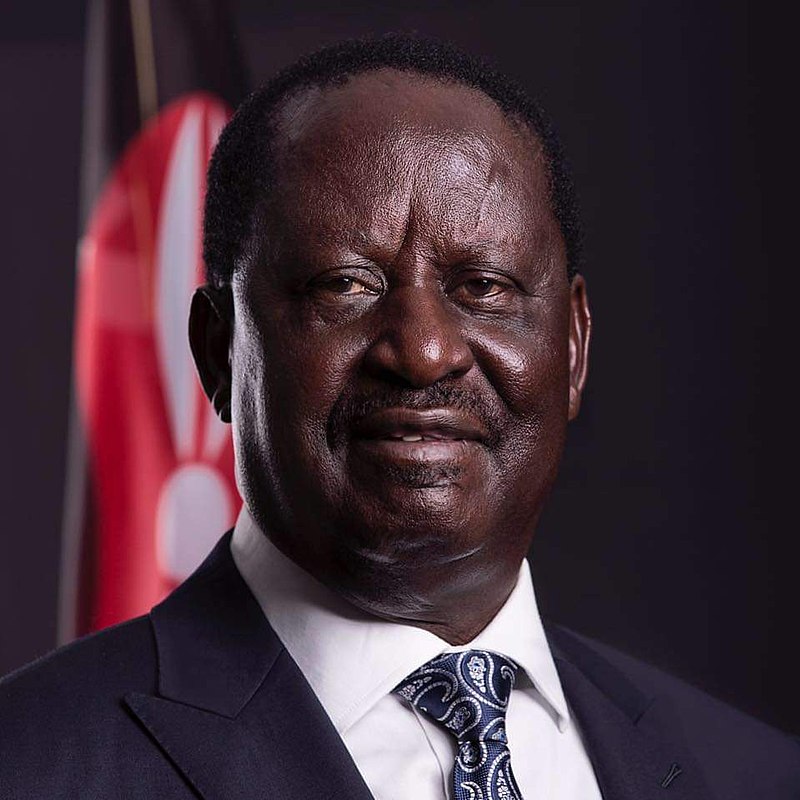
The battle for the political support base built by the late former Prime Minister Raila Odinga is taking shape, with President William Ruto’s allies, opposition leaders and former President Uhuru Kenyatta seeking to influence voters who backed the ODM leader in the 2022 election.
The latest development came after Mr Kenyatta renewed his claim that Mr Odinga won the 2022 presidential election, saying the former Prime Minister had received the votes needed to become president.
“We did everything to help Baba become the President of the Republic of Kenya. He got the votes, and to this day I know that he is the one who won those votes,” Mr Kenyatta said.
The former president’s remarks have been challenged by ODM leaders, who have questioned the decision to reopen the 2022 election debate.
ODM acting party leader Oburu Oginga said the party had exhausted the available legal avenues after the election and had moved on.
The dispute has brought renewed attention to the political constituency Mr Odinga left behind after his death.
In the 2022 election, Mr Odinga received 6,942,930 votes against Mr Ruto’s 7,176,141, according to the official results announced by the Independent Electoral and Boundaries Commission.
Mr Odinga retained strong support in Nyanza and parts of Western Kenya, while also receiving significant backing in Nairobi and other parts of the country.
Ruto’s allies have since stepped up efforts to win support in areas that traditionally voted for Mr Odinga.
Several leaders from Nyanza and Western Kenya have backed the President’s 2027 re-election bid, with some arguing that the region should work with the government to secure development projects and political influence.
At the same time, opposition leaders are seeking to keep Mr Odinga’s traditional supporters within an anti-government coalition.
Nairobi Senator Edwin Sifuna has emerged as one of the prominent figures in the opposition camp and has been involved in efforts to build the Linda Mwananchi movement.
The movement has attracted politicians opposed to the Ruto administration and has sought to establish itself as an alternative political platform.
The competition has also exposed divisions within ODM, with rival groups taking different positions on the party’s relationship with the government.
Some ODM leaders have supported cooperation with the Ruto administration under the broad-based government arrangement, while others have called for the party to remain in the opposition.
The contest is particularly important in Nyanza, where Mr Odinga built a strong political following over several decades.
His political influence also extended into Western Kenya, Nairobi and parts of the Coast and Rift Valley through successive opposition coalitions.
The 2027 election will therefore test whether that support remains with ODM, shifts to another opposition formation or is divided among several political parties.
Mr Kenyatta’s intervention has added another dimension to the contest, particularly because of his role in the political coalition that supported Mr Odinga in 2022.
Other opposition figures, including Wiper leader Kalonzo Musyoka and former Deputy President Rigathi Gachagua, are also seeking a role in the coalition negotiations ahead of the election.
With the opposition yet to settle on a common candidate and political vehicle, the competition for Mr Odinga’s former supporters is expected to remain a major issue in the 2027 preparations.


