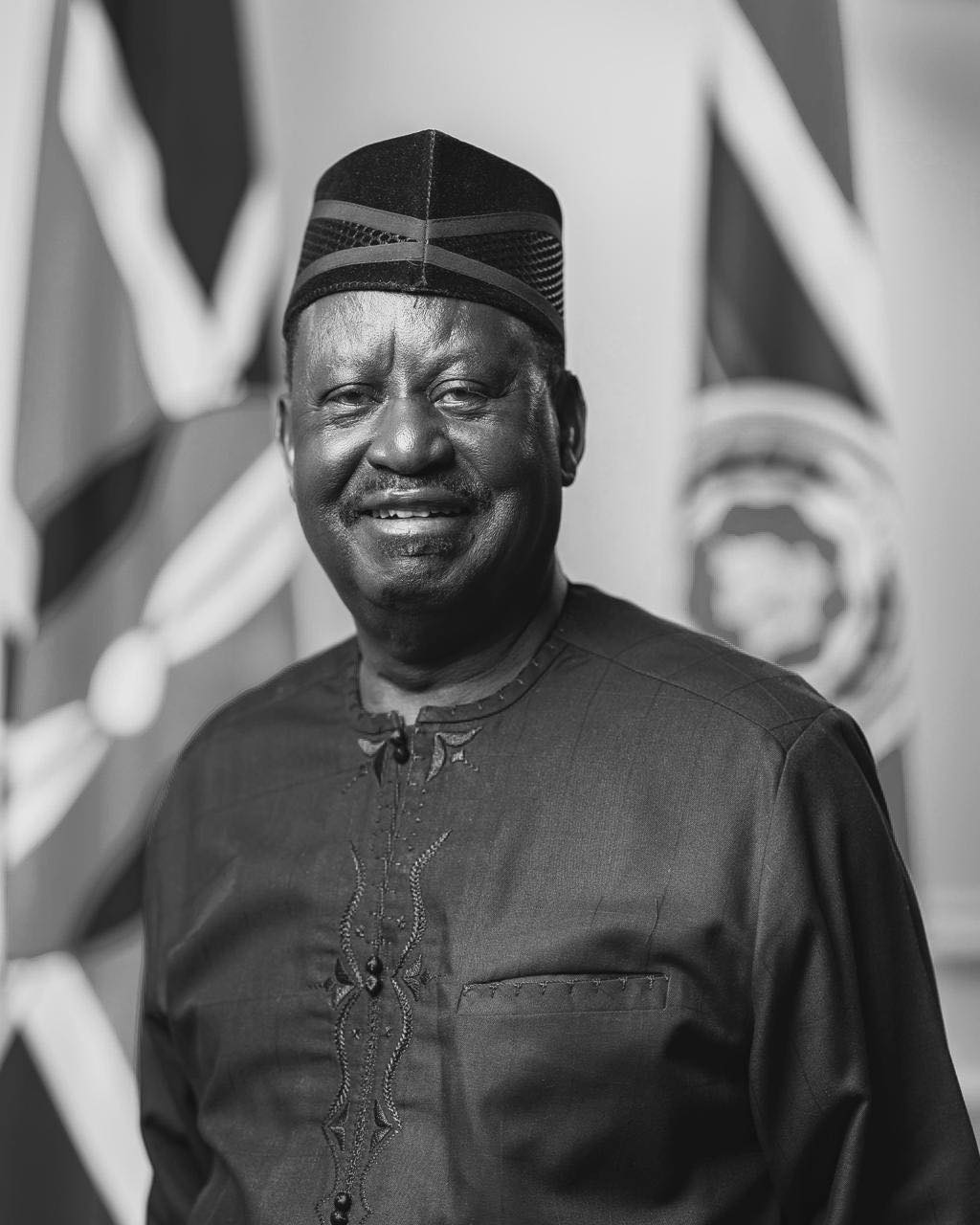
Ida Odinga has appealed to Kenyans to set aside political differences and unite in honour of her late husband Raila Odinga, as divisions within ODM threaten to overshadow the first anniversary of his death.
Speaking during Thursday’s commemorations, Ida said Raila’s legacy transcended political parties, ethnic affiliations and religious differences, urging leaders to embrace the values of peace and unity that he championed.
“This is not a day to remember our enemies. This is not a day to think only about our own political parties,” she said.
Her appeal comes at a time when ODM is grappling with internal divisions over its cooperation with President William Ruto’s administration, with rival factions advancing competing positions on the party’s political direction ahead of the 2027 General Election.
The dispute has pitted leaders supporting continued cooperation with Ruto against those, including Secretary-General Edwin Sifuna and allies of the Linda Mwananchi faction, who have opposed the arrangement and called for a more independent opposition approach.
Ida’s message offered a reminder of Raila’s longstanding calls for political reconciliation, even as his former allies disagree over how best to carry forward his legacy.
She urged Kenyans to look beyond party affiliations and recognise Raila’s contribution to the country, saying his memory should provide an opportunity for reflection rather than deepen existing divisions.
The anniversary has brought together family members, political leaders and supporters to celebrate the life of the former Prime Minister, whose influence shaped Kenya’s opposition politics for decades.
For ODM, the commemorations come at a critical moment as leaders negotiate the party’s relationship with Ruto’s United Democratic Alliance and debate the political direction it should take into the next election.
Raila died on October 15, 2025, while receiving medical treatment in India, ending a political career spanning decades and leaving his party to navigate questions of leadership, succession and its relationship with the government.
Ida has also spoken publicly about the personal pain of losing her husband, recalling their final telephone conversation on the eve of his death and the difficulty of adjusting to life without him.
Her appeal for unity therefore comes against two competing realities: the personal grief of a family marking the first anniversary of Raila’s death and the political struggle among his former allies over the future of the movement he built.