The Independent Electoral and Boundaries Commission (IEBC) has challenged political parties to create more opportunities for women, youth, persons with disabilities and marginalised communities to compete for leadership ahead of the 2027 General Election.
IEBC Vice-Chairperson Fahima Araphat Abdalla said inclusive nominations were key to ensuring that special interest groups had a voice in political leadership and decisions affecting the country.
“Inclusive nominations create opportunities for diverse voices to compete for leadership and contribute to decisions that shape their communities and the country,” she said.
Ms Abdalla was speaking at a policy dialogue convened by the National Gender and Equality Commission (NGEC) to discuss the participation of special interest groups in political party leadership, governance and decision-making.
She represented IEBC Chairperson Erastus Ethekon at the meeting, which brought together political party representatives and other institutions to explore ways of removing barriers that limit the participation of women, young people, persons with disabilities and marginalised communities.
The commission said it was reviewing political party nomination rules and party lists to ensure they comply with constitutional requirements on representation.
It is also pursuing legal reforms to strengthen equitable representation while implementing its Gender and Social Inclusion Policy.
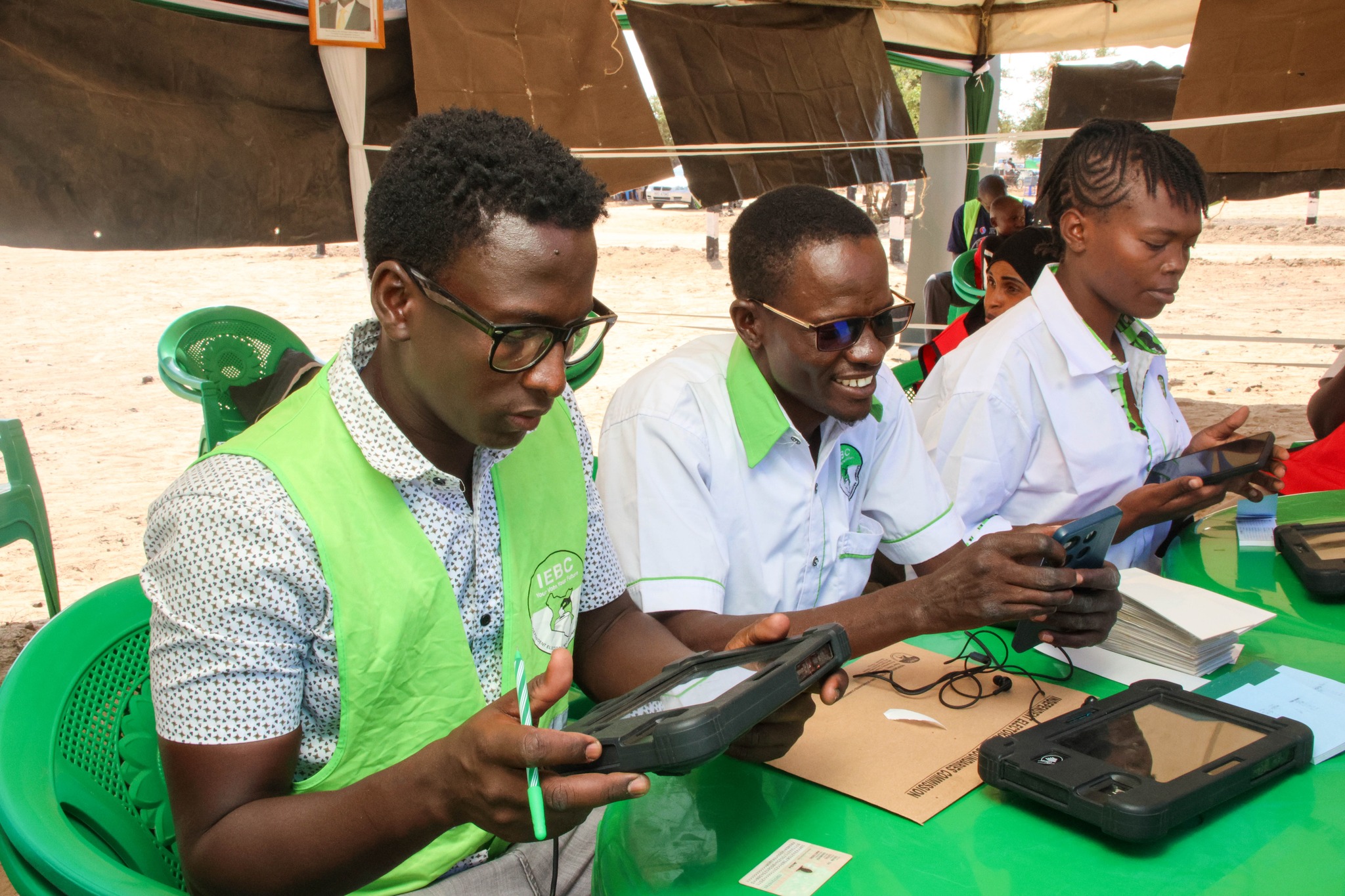
Other measures include accessible voter registration, targeted voter education and reduced nomination fees for eligible candidates.
IEBC said the initiatives were intended to make electoral participation more accessible, including for those seeking elective positions.
The question of representation extends beyond voting, with political parties playing a key role in determining who gets the opportunity to contest elections and participate in internal party decision-making.
As the country heads towards the 2027 polls, IEBC said it would continue engaging political parties and other stakeholders to promote fair and constitutionally compliant electoral processes.
The commission's efforts will focus on ensuring that inclusion is considered in the nomination of candidates, voter registration and other stages of the electoral process.