Former Deputy President Rigathi Gachagua has accused President William Ruto’s administration of misplaced priorities, linking the ongoing university lecturers’ strike and milk shortages to what he describes as the government’s failure to address the problems facing ordinary Kenyans.
“As Kenyans struggle to put food on the table and face dwindling economic prospects, lecturers are once again on strike,” Gachagua said in a statement posted on Wednesday.
“Yet this regime remains focused on misplaced priorities,” he added.
Gachagua took issue with the President’s proposal to explore importing buffaloes from India to boost milk production, questioning why the government was looking beyond conventional dairy farming as consumers faced shortages.
“Anasema ati hakuna maziwa, anatafuta nyati kutoka India!” he said in an earlier criticism of the plan.
The former Deputy President also accused the administration of responding to criticism with insults instead of addressing public concerns.
“Misplaced anger, insults, and name-calling will only further diminish this regime’s already deteriorating chances of survival,” he said.
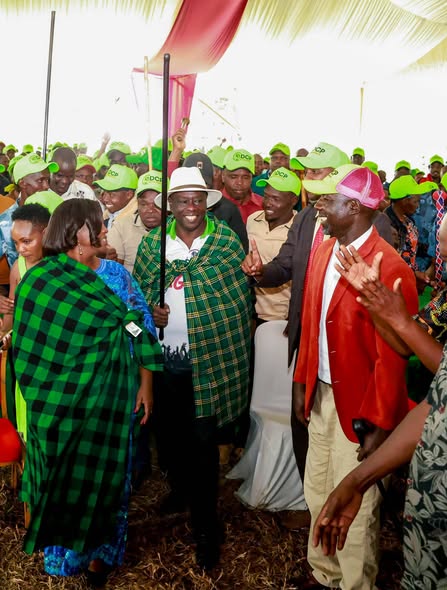
His remarks came as the Democracy for the Citizens Party (DCP) intensified efforts to build support beyond its traditional Mount Kenya base, with party leaders engaging residents in Kajiado County.
Gachagua said his political camp would not abandon Kenyans struggling with economic hardship.
“We will not let you down or forsake you,” he said.
He also called for a change in leadership, urging Kenyans to support leaders who listen to their concerns and put public interests first.
“Let’s stand together and open a new chapter, one led by leaders who are compassionate, listen to the people, and put Kenyans first, not their own selfish interests,” he said.
Lecturers’ strike enters second week
Gachagua’s criticism comes as public university lecturers remain on strike over a dispute with the government concerning the 2025–2029 collective bargaining agreement (CBA).
The nationwide strike began on October 2 after negotiations failed to resolve outstanding salary and employment demands.
The Universities Academic Staff Union (UASU) and other unions have rejected the government’s Sh12 billion counter-offer, insisting on a binding agreement addressing their demands.
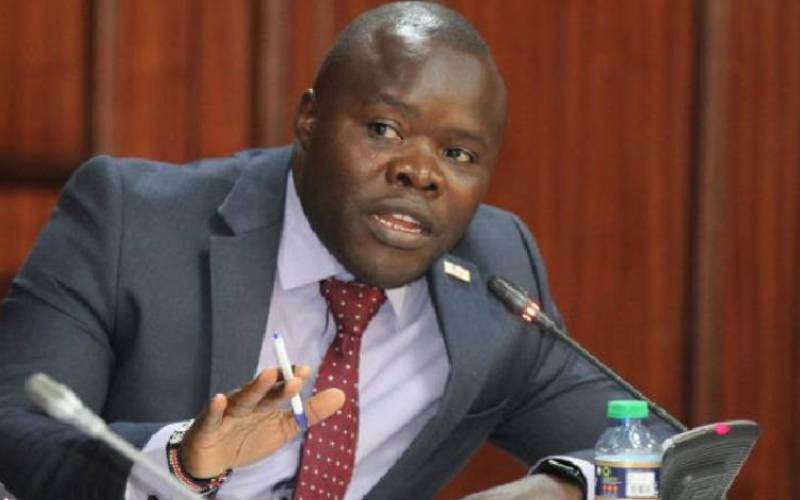
“We have made substantial progress, and I want to put this in the right context,” Higher Education Principal Secretary Beatrice Inyangala said during earlier negotiations, maintaining that the government was working towards a sustainable settlement.
However, talks have yet to produce an agreement, leaving students in public universities facing continued disruption.
On Thursday, October 15, UASU planned demonstrations in Nairobi as the dispute entered its second week.
Government defends buffalo plan
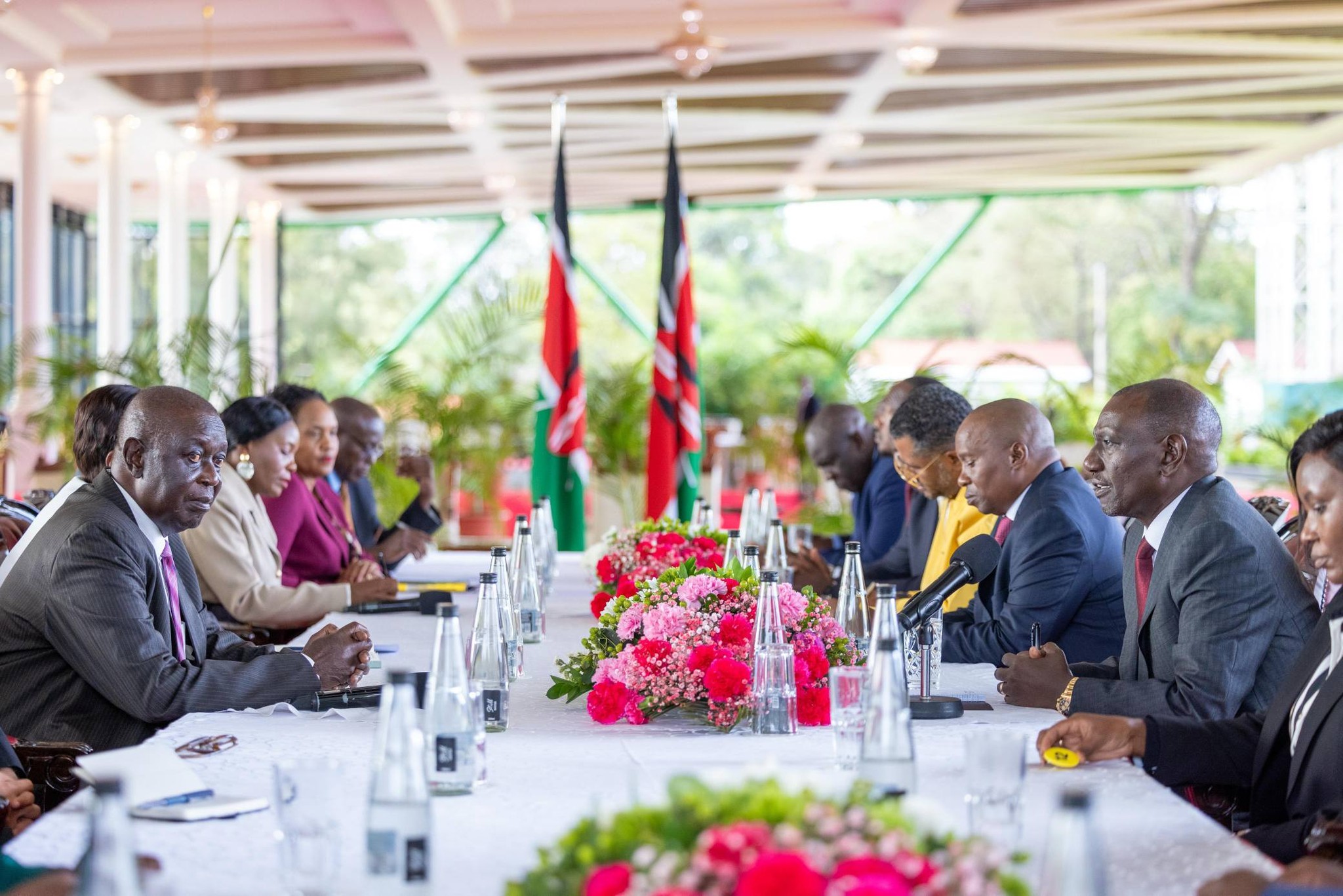
The milk shortage has also become a point of political contention after Ruto proposed exploring alternative sources of milk, including domesticated water buffaloes and improved camel breeds.
Speaking during the Agriculture and Food Security Transformation Summit in Nairobi on October 8, the President said Kenya should consider diversifying milk production to increase supply.
“We currently have a milk shortage in the country because of the drought and other issues,” Ruto said.
He directed Livestock Development Principal Secretary Jonathan Mueke to explore sourcing suitable breeds from India.
Mr Mueke has since clarified that the proposal concerns domesticated Murrah water buffaloes, not wild buffaloes from national parks.
“We are not going for the wild buffalo that are out in the national park,” he said.
The government has attributed declining milk deliveries to prolonged drought, which has reduced pasture and increased pressure on animal feeds. Data from the Kenya Dairy Board showed that deliveries to processors fell from 84.4 million litres in June to 81.3 million litres in July.
Gachagua, however, has argued that the government should prioritise strengthening local dairy production as it seeks to address the shortage.
.