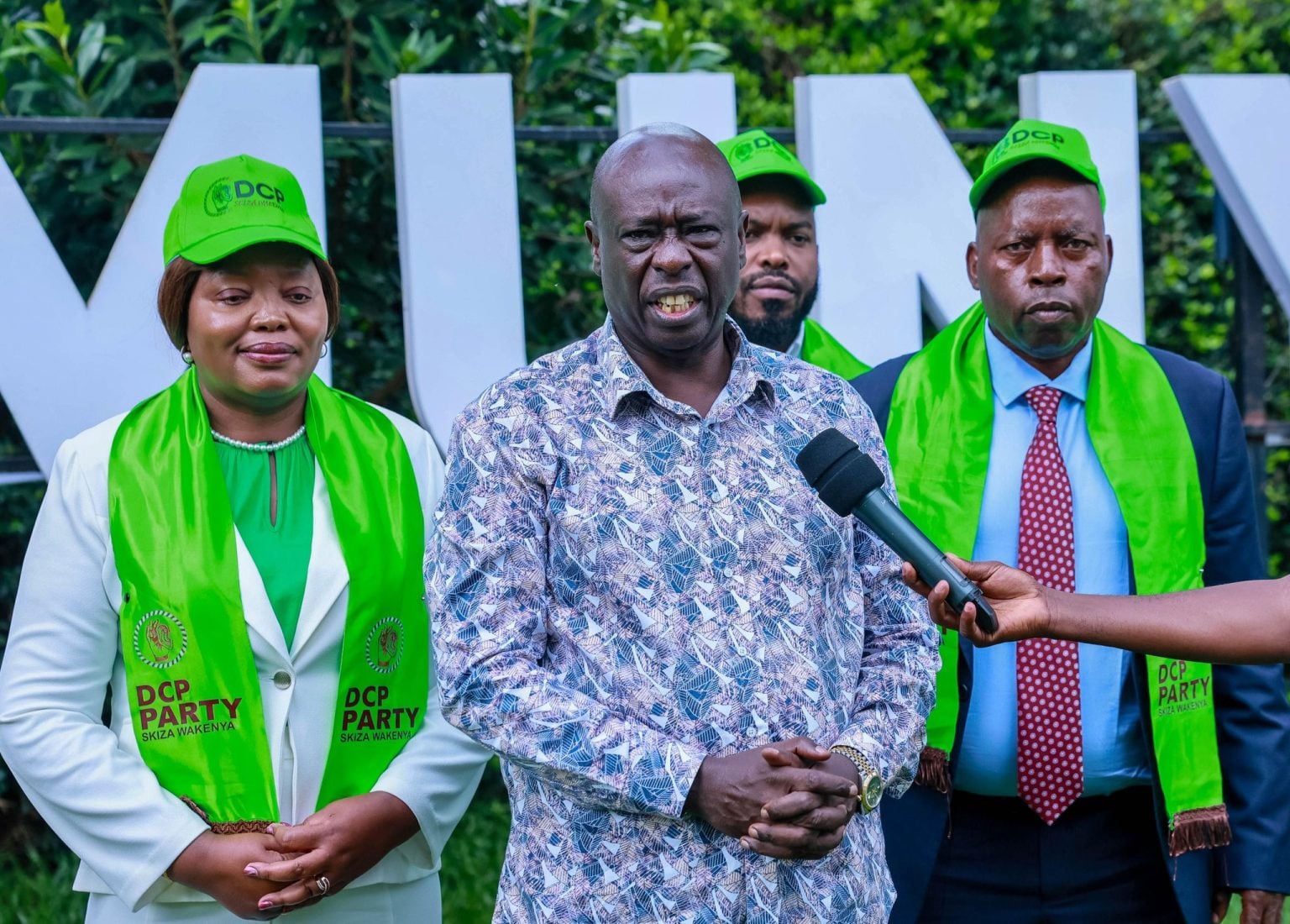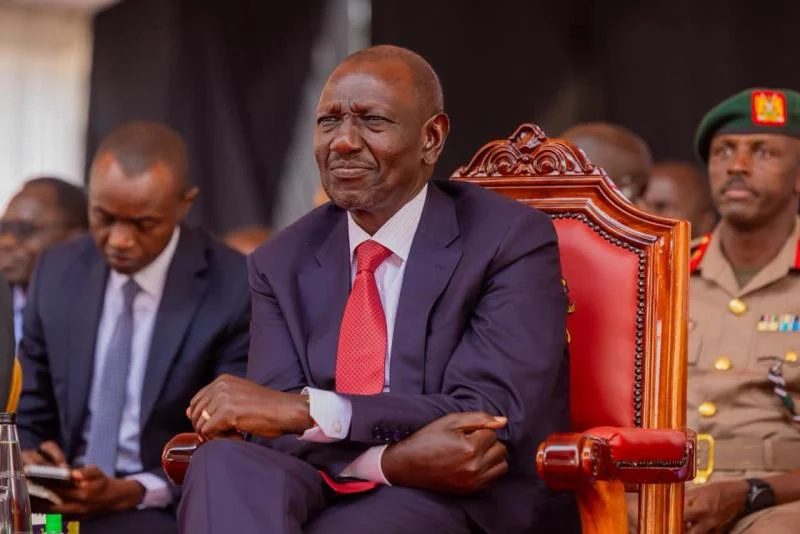
Political analyst Herman Manyora has warned President William Ruto that his continued public attacks on Nairobi Senator Edwin Sifuna could increase the senator’s popularity rather than weaken his political standing.
Speaking during his daily political analysis on Tuesday, October 20, 2026, Manyora argued that Ruto’s criticism was unlikely to trouble Sifuna’s supporters, who he said remained focused on the senator’s political ambitions and prospects for national leadership.
Manyora also questioned the significance of allegations that Sifuna was being financially supported by retired President Uhuru Kenyatta. According to the analyst, such claims were unlikely to discourage the senator’s supporters, who were more interested in seeing him advance in politics.
He maintained that those concentrating on the alleged sponsorship were missing the broader political dynamics surrounding Sifuna’s growing public profile. Manyora argued that repeated criticism from the President could instead reinforce the senator’s visibility and appeal among his supporters.
Ruto and Sifuna Continue Public Exchanges
Manyora’s remarks come amid an ongoing exchange of criticism between Ruto and Sifuna over the President’s leadership, government policies and competing views on Kenya’s future.
Ruto has dismissed Sifuna’s pledge to abolish the housing levy if he assumes power, arguing that the proposal reflects a lack of a clear national agenda. The President has also challenged the senator to make his manifesto public if he intends to seek the country’s top leadership position.
The exchanges have included personal jibes, with Ruto referring to Sifuna as “Mr Empty.” The label has since been adopted by some of the senator’s allies, who have sought to give it a different interpretation by linking it to their claims about corruption and governance failures.
The dispute has drawn attention to the growing political differences between the two leaders as discussions around the 2027 General Election continue.
Housing Debate Fuels Political Disagreement
The disagreement also centres on the government’s affordable housing programme and whether the design of some housing developments suits the needs and lifestyles of local communities.
The exchanges followed Sifuna’s criticism of 12-storey affordable housing units constructed in Funyula. During an interview with a local radio station on July 22, 2026, the senator questioned whether the buildings were suitable for residents accustomed to keeping chickens at home.
Sifuna used the example of chicken keeping to challenge the practicality of the housing design, asking how residents could maintain the practice in high-rise apartments.
His remarks prompted further criticism from Ruto, who later dismissed the senator’s position and questioned his broader policy agenda.
Manyora Questions Impact of Sponsorship Claims
Manyora’s analysis focused on the potential political consequences of the continued public confrontation. He argued that allegations linking Sifuna to Uhuru Kenyatta were unlikely to diminish his support base and suggested that repeated attacks could further elevate the senator’s profile.
However, the analyst’s assessment represents his interpretation of the political situation rather than independently established evidence of changes in Sifuna’s popularity.
The continuing exchanges between Ruto and Sifuna highlight their differences over housing policy, leadership and the direction of the country as political debate intensifies ahead of the next general election.