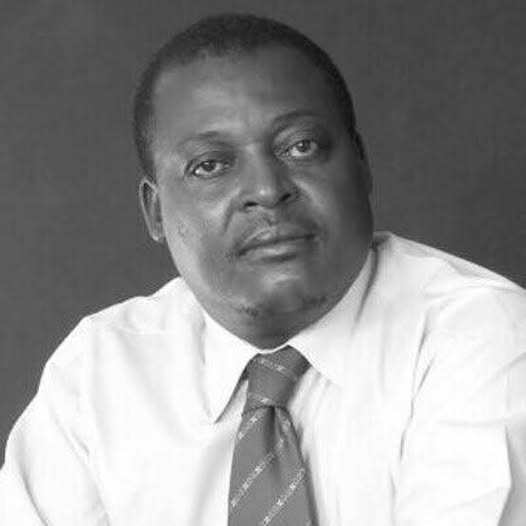
President William Ruto on Monday led the country in mourning former Lugari MP and businessman Cyrus Jirongo, describing him as a relentless fighter whose influence on Kenya’s political and business landscape endured long after his exit from frontline politics.
In a condolence message, Ruto said he was “deeply saddened” by the death of Jirongo, whom he described as a friend, a consummate politician and an entrepreneur who refused to be defined by setbacks. “He was a fighter in every sense: blunt yet warm, bold yet approachable, enlightened and endlessly entrepreneurial,” Ruto said, adding that Jirongo was generous with his time, resources and belief in others.
Jirongo, a dominant figure in Kenyan politics in the 1990s and early 2000s, rose to national prominence during the presidency of Daniel arap Moi, where he served as a powerful fundraiser for the ruling party before carving out his own political path. His death closes the chapter on a man whose career mirrored the turbulence, ambition and contradictions of Kenya’s multiparty era.
Born in 1958, Jirongo first made his name in business before entering politics, winning the Lugari parliamentary seat in 1997. He quickly became known for his sharp political instincts, blunt rhetoric and an ability to operate comfortably both within and outside formal power structures. To supporters, he was fearless and independent-minded. To critics, he was controversial and combative. Either way, he was rarely ignored.
His political career was closely intertwined with some of the most defining moments in Kenya’s recent history. In the late 1990s, Jirongo was at the centre of the Youth for Kanu ’92 movement, a powerful campaign vehicle credited with mobilising resources and support for Moi’s re-election. The group later became emblematic of the excesses and opacity of politics at the time, casting a long shadow over Jirongo’s public life.
Yet Jirongo repeatedly sought reinvention. After losing his parliamentary seat, he returned to business, maintaining a visible public profile and periodically re-emerging in national politics. In 2017, he mounted a presidential bid under the United Party of Independent Alliance, presenting himself as an outsider willing to challenge entrenched political elites. Though unsuccessful, the bid reinforced his image as a politician unwilling to retreat quietly.
President Ruto’s tribute highlighted that resilience, noting that Jirongo “refused to be defined, let alone defeated, by life’s challenges.” The President said Jirongo never shrank from “a tough stand or a grand idea,” and that he lived on his own terms, leaving “an indelible mark on our political landscape.”
Other leaders across the political divide also paid tribute, recalling Jirongo as a man of strong convictions who played politics without apology. Allies remembered his generosity and readiness to back younger politicians, while rivals acknowledged his role in shaping political strategy during a formative period for Kenya’s democracy.
Beyond politics, Jirongo cultivated an image as a mentor and benefactor, particularly in his home region. Friends and associates say he took pride in supporting community projects and individuals, often quietly, and believed wealth carried a responsibility to uplift others.
Ruto said his thoughts and prayers were with Jirongo’s family and friends during the difficult period, signing off his message with a personal note: “Rest in peace, my friend.”


