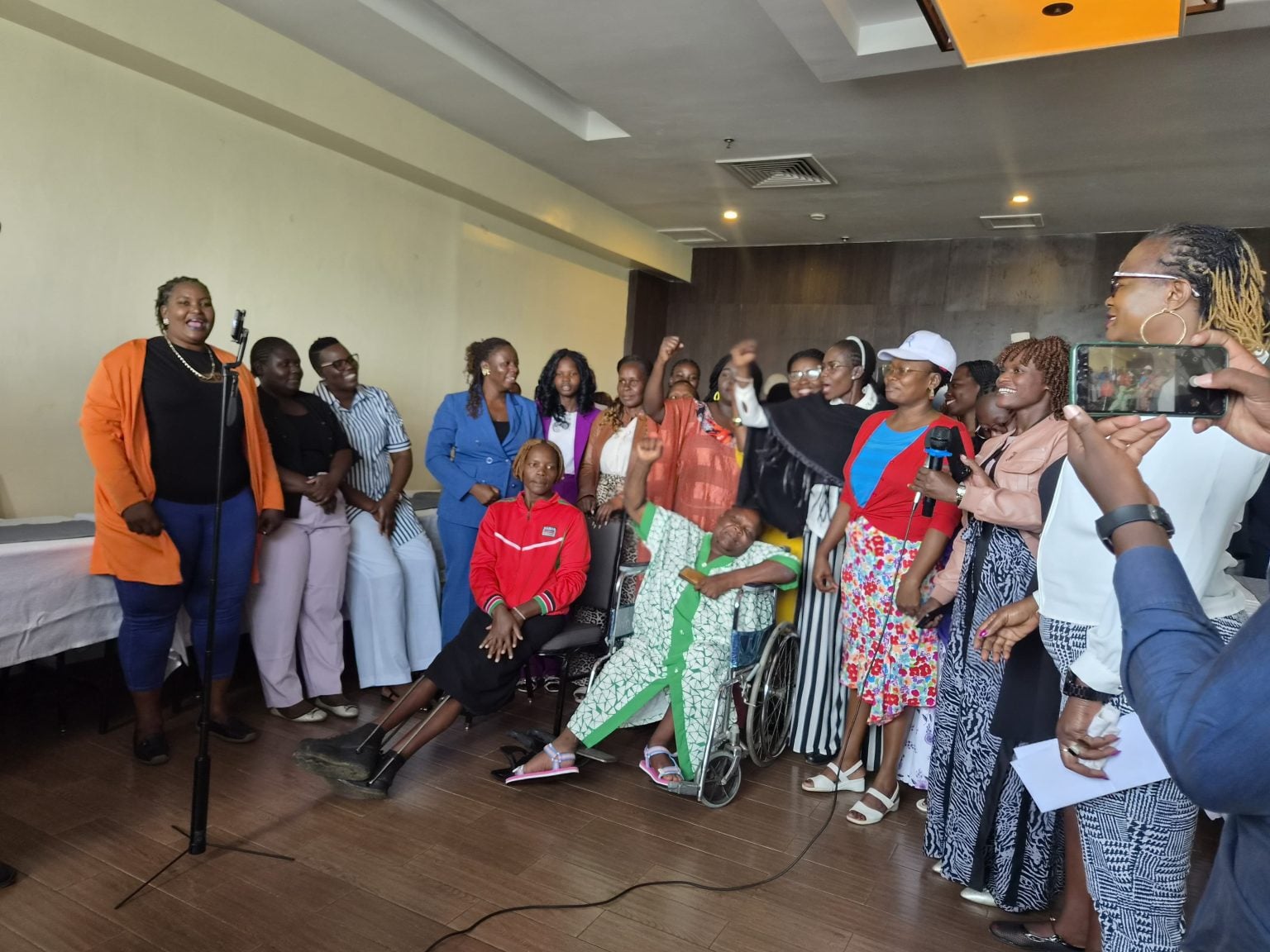
Women seeking elective positions in Kisumu County have raised concerns over rising political violence, intimidation, voter bribery and sexual harassment, warning that the practices could discourage women from participating in the 2027 General Election.
In a joint statement issued on Thursday, November 12, 2026, the aspirants accused some political actors of using organised groups to intimidate opponents, particularly women who express political views that differ from those of influential individuals.
The women identified groups operating under names such as “Mbogis”, “Chude Chude”, “Sangwenya” and “Security Boys”, alongside some business associations, as alleged sources of intimidation targeting candidates and their supporters.
Led by Kisumu Woman Representative aspirant Linda Ogweno, the group said political intolerance, violence and the distribution of handouts were becoming major concerns in Kisumu County and the wider Lake Region ahead of the next elections.
They argued that the practices had recurred during previous electoral cycles and called for stronger intervention from relevant authorities.
Women Raise Concerns Over Political Gangs and Online Harassment
The aspirants alleged that groups mobilised during political activities were being used to threaten candidates and their supporters.
They called on security agencies to investigate the groups and establish the individuals financing or organising them, saying those responsible should be held accountable under the law.
The women also raised concerns over technology-facilitated gender-based violence targeting female politicians on social media platforms.
They cited alleged cases of online harassment, doxxing, the non-consensual sharing of images and coordinated digital attacks, warning that such conduct was being used to silence women and discourage their political participation.
According to the aspirants, the attacks undermine women's rights to security, dignity and freedom of expression, while creating an environment that makes it difficult for them to campaign freely.
Party Nominations Accused of Disadvantaging Women
The women also criticised political parties over what they described as discriminatory nomination practices that favour male candidates and individuals with greater financial and political influence.
They alleged that some women were pressured to withdraw from nomination contests in favour of male counterparts, sometimes with promises of government or other appointments after elections.
The aspirants further claimed that women were occasionally allocated party tickets in constituencies where their chances of winning were limited, while male candidates received support in more competitive areas.
They said women were also being excluded from party decision-making structures, denied financial assistance and left out of campaign planning.
The group called on political parties to reform their internal structures and ensure that women, young women and women with disabilities are included in leadership, nominations and campaign activities.
Aspirants Demand Action Over Sexual Harassment
The statement also raised concerns over alleged sexual exploitation within political party structures.
The women claimed that some influential individuals demand sexual favours in exchange for party tickets or nomination positions, describing the alleged conduct as an abuse of power that undermines women's dignity and political rights.
They called for safeguards that would allow women to report sexual harassment and exploitation without facing retaliation or being forced out of political contests.
The aspirants urged political parties and relevant institutions to establish mechanisms for addressing such complaints and protecting individuals who come forward.
Debra Kajo Calls for Scrutiny of Party Lists
West Kamagak MCA Debra Kajo called on political parties to comply with the legal requirements governing nomination lists, particularly those reserved for special interest groups.
Kajo said party lists must adhere to the Elections Act, the Political Parties Act of 2011, the Political Parties Code of Conduct and relevant IEBC regulations.
She urged the Independent Electoral and Boundaries Commission to scrutinise the lists submitted by political parties and require corrections where they fail to meet the legal requirements.
Kajo also criticised the placement of women, youth and persons with disabilities in positions with limited prospects of securing representation.
She maintained that nomination lists should be transparent and guided by objective criteria rather than political influence or financial considerations.
Women Cite Constitutional Protection Ahead of 2027 Polls
The aspirants cited Articles 27, 81, 90, 97, 98 and 177 of the Constitution, which address equality, electoral principles, affirmative action and the representation of special interest groups.
They argued that although political parties play a central role in determining access to elective positions through nominations, internal party processes can undermine constitutional commitments to equal representation.
The women called on electoral and oversight institutions to strengthen enforcement of existing laws and ensure that women can participate in politics without intimidation, discrimination or exploitation.
They also encouraged more women, including those with disabilities, to seek elective positions rather than allow threats and harassment to discourage them from pursuing political leadership.
As preparations for the 2027 General Election continue, the aspirants want political parties, security agencies and the IEBC to address the concerns they have raised and ensure that the electoral environment protects the rights of all candidates.