President William Ruto has challenged Parliament and legislatures across the world to turn food security commitments into enforceable laws and protected budget allocations, warning that governments must not treat the fight against hunger as an electoral campaign promise.
Ruto said food security programmes should remain government obligations regardless of political transitions, insisting that legislation, funding and parliamentary oversight were necessary to ensure commitments translated into food on people's tables.
“Hunger does not keep an electoral calendar. Governments may change in your countries. Put these programmes into statute so that whichever government is in office inherits an obligation, not an option,” he said.
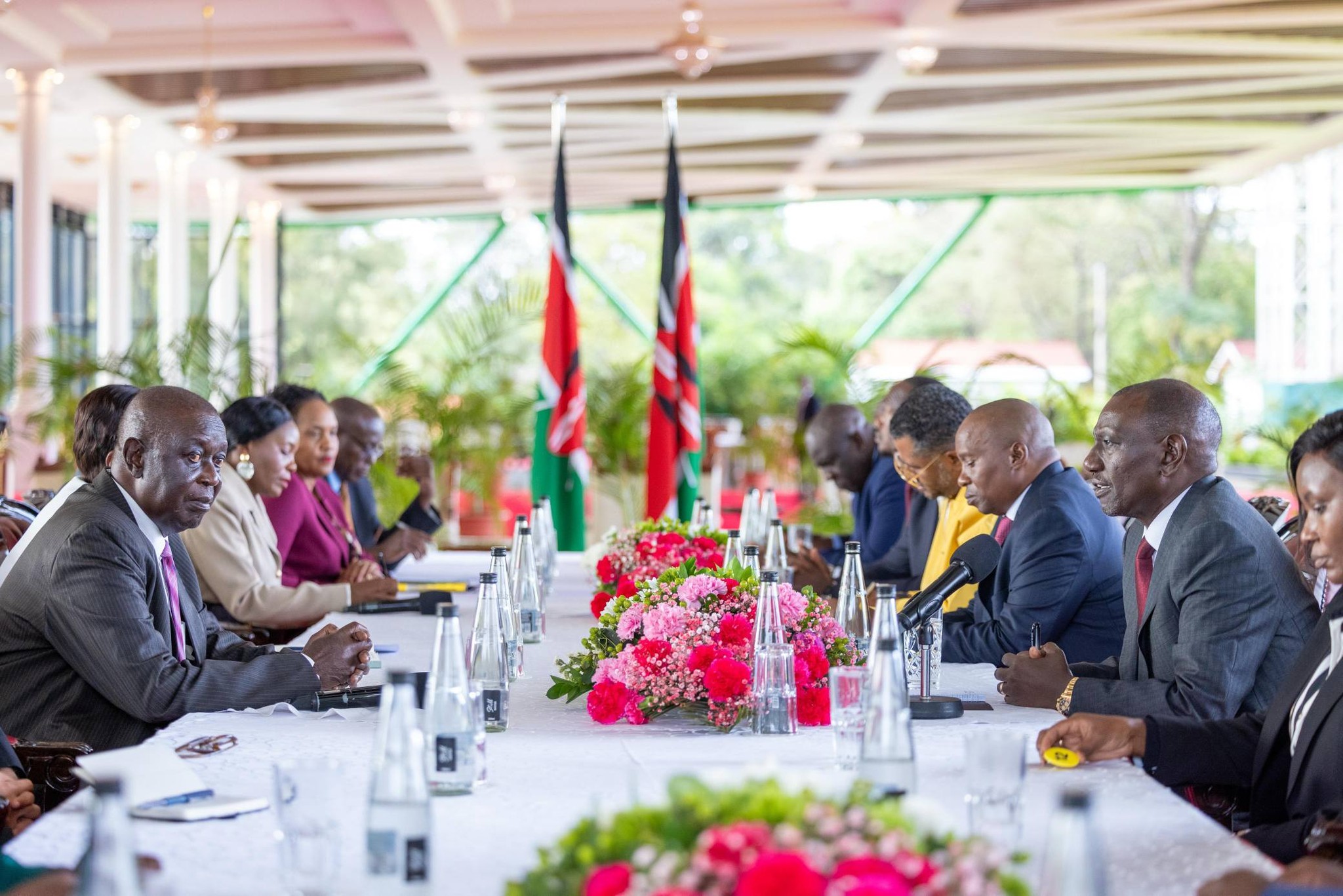
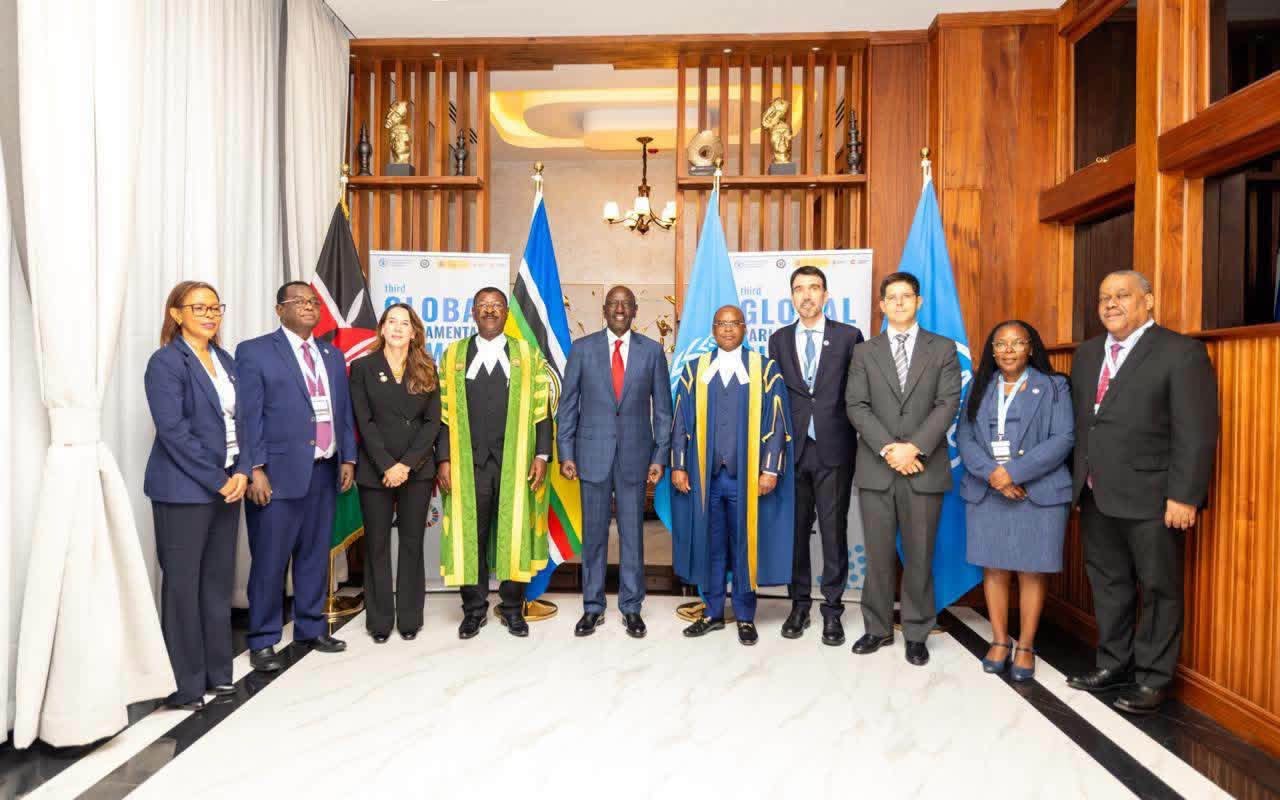
The President spoke on Monday when he officially opened the Third Global Parliamentary Summit Against Hunger and Malnutrition at Parliament Buildings in Nairobi, challenging lawmakers to use their legislative and financial powers to hold governments accountable for tackling hunger.
He questioned why millions of people continued to experience hunger despite the world producing enough food, arguing that the crisis was increasingly a question of political decisions, resource allocation and priorities rather than absolute food shortages.
“The world already produces enough food to feed everyone. For decades, hunger has been driven less by absolute shortage than by the choices we make: what we fund, what we build, whom we protect and the opportunities we create,” Ruto said.
He singled out Parliament's role in ensuring that the right to adequate food and nutrition, which is recognised in constitutional and international commitments, was backed by legislation and actual financial allocations.
“Declarations do not appropriate money. Parliaments do,” he told delegates.
Ruto urged lawmakers to enact laws supporting agricultural investment, irrigation, research, food safety, school feeding programmes, climate resilience and inclusive markets.
He also called for stronger parliamentary scrutiny of government spending, warning that allocations to agriculture and food security would achieve little if resources failed to reach intended beneficiaries.
“Third, follow the money to the plate. Oversight is not hostility to government. I would rather be questioned by a committee today than discover next season that the fertiliser never arrived,” he said.
The President challenged legislators to demand evidence that public investments were delivering results, including whether irrigation projects were supplying water, school feeding programmes were reaching children and agricultural spending was improving household incomes.
His remarks placed Parliament at the centre of the food security debate, with lawmakers being asked to move beyond approving government budgets to actively monitoring how public resources are spent.
The challenge comes against the backdrop of persistent food insecurity, particularly in Africa, where the burden remains disproportionately high.
Figures from the Food and Agriculture Organisation's 2026 State of Food Security and Nutrition report show that an estimated 645 million people experienced hunger globally in 2025, including 309 million in Africa.
The continent accounted for about one in every five people experiencing hunger, reinforcing concerns about the ability of African governments to meet food security targets.
In Kenya, an estimated 2.7 million people are facing crisis levels of food insecurity, according to figures presented by the government during the summit.
Ruto argued that Africa should not be defined only by its hunger challenges, pointing to its agricultural potential and natural resources as a basis for transforming the continent into a major contributor to global food production.
“With more than 60 per cent of the world's remaining uncultivated arable land, the world's youngest population and immense renewable energy resources, Africa must not be seen merely as the continent where hunger is most acute, but as an indispensable part of the global solution,” he said.
He proposed that participating parliaments establish a public reporting mechanism to track laws enacted, money allocated and the impact of their decisions on communities.
The Nairobi summit is the third in the series, following earlier meetings in Madrid, Spain, in 2018 and Valparaíso, Chile, in 2023. It is being held in Africa for the first time, bringing together parliamentarians and development partners to discuss ways of strengthening food systems.
Ruto challenged delegates to move beyond the commitments made at previous meetings and establish mechanisms for measuring progress.
“In Valparaíso, you adopted a Pact. In Nairobi, let us give that Pact the force of accountability,” he said.
He urged lawmakers to ensure that the Nairobi meeting produced measurable outcomes, saying the success of the summit should ultimately be judged by its impact on people struggling to access adequate food and nutrition.