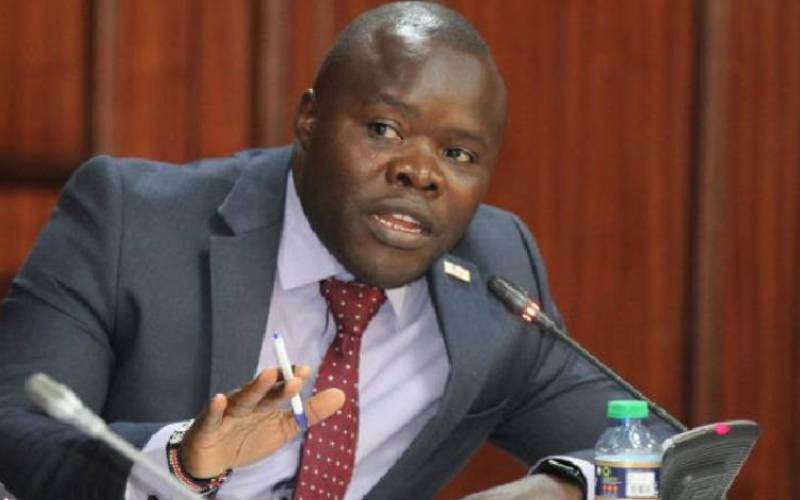
National Assembly Speaker Moses Wetang’ula has challenged parliaments to take greater responsibility for tackling hunger, saying legislative decisions, public spending and oversight must translate into food on the table for ordinary citizens.
Wetang’ula said the persistence of hunger was a test of the institutions entrusted with public resources, urging lawmakers to move beyond declarations and ensure their decisions improve people's access to food and nutrition.
“An empty plate is more than a sign of hunger. It challenges the conscience of nations and tests the institutions entrusted with public good,” he said.
The Speaker spoke during the Third Global Parliamentary Summit Against Hunger and Malnutrition at Parliament Buildings in Nairobi, where legislators from different countries gathered to discuss the role of parliaments in addressing food insecurity.
He said the responsibility of lawmakers went beyond passing legislation, arguing that budgets and parliamentary oversight must produce tangible improvements in households.
“We are gathered here to ensure that our laws, budgets, and oversight deliver something more tangible: food on the table and dignity in the home,” Wetang’ula said.
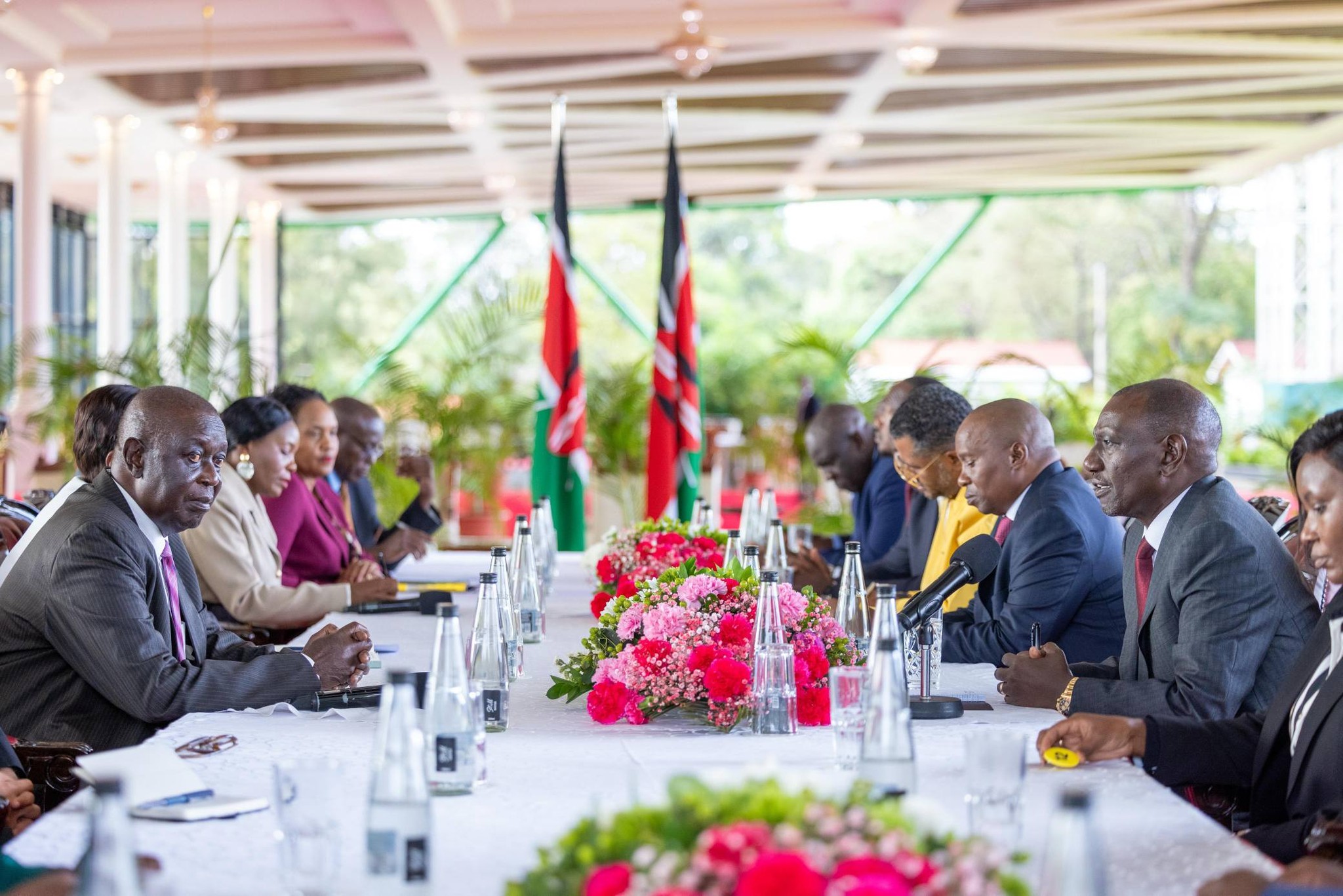
His remarks echoed President William Ruto's call at the summit for legislatures to convert food security commitments into enforceable laws, adequate budgetary allocations and stronger accountability mechanisms.
Ruto had challenged lawmakers to ensure that programmes addressing hunger were protected from political transitions, arguing that successive governments should inherit legal obligations to sustain them.
“Hunger does not keep an electoral calendar. Governments may change in your countries. Put these programmes into statute so that whichever government is in office inherits an obligation, not an option,” the President said.
The summit comes amid persistent concerns over global hunger, with 645 million people estimated to have experienced hunger in 2025, including 309 million in Africa, according to figures cited by Ruto.
Wetang’ula's remarks place Parliament at the centre of the debate on how governments can translate international commitments into practical interventions, particularly through legislation, funding and scrutiny of public expenditure.
The Nairobi meeting is the third Global Parliamentary Summit Against Hunger and Malnutrition, following previous editions in Madrid and Valparaíso, Chile. It seeks to strengthen parliamentary action in the fight against hunger and malnutrition.