Political parties are heading into the 2027 election season facing financial difficulties after the Registrar of Political Parties disclosed that the government has consistently failed to release the full amount required by law to fund their operations.
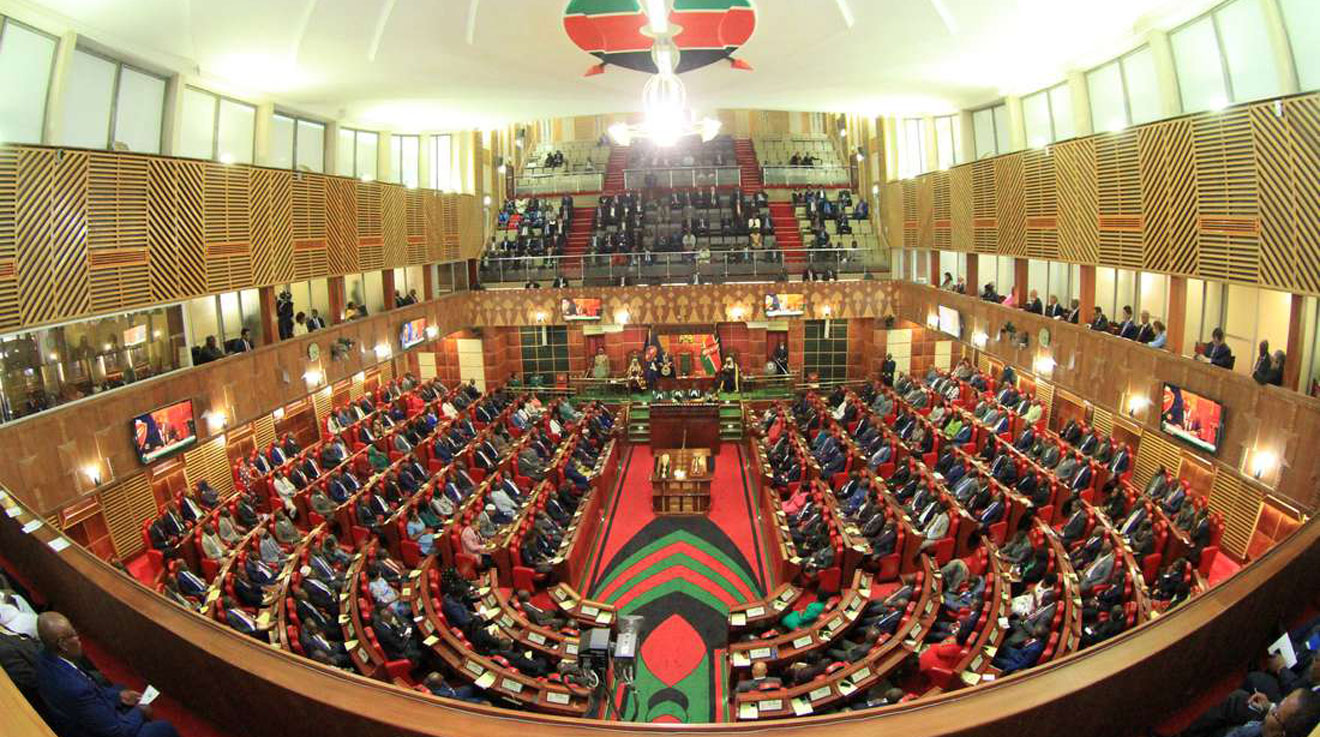
Registrar of Political Parties John Lorionokou told Parliament on Thursday that his office had never received the full 0.3 per cent of national government revenue allocated to the Political Parties Fund under the Political Parties Act.
“Since its inception we have never gotten the full allocation of 0.3 from the National Treasury. I think they have been allocating us funds based on what is available since we do not get a uniform figure each Financial Year,” Lorionokou told the Special Funds Accounts Committee.
The disclosure comes as political parties prepare for the 2027 General Election, raising questions about their ability to maintain offices, pay staff and organise activities across the country.
The law provides that the Political Parties Fund should receive at least 0.3 per cent of national government revenue, with the money distributed among qualifying political parties according to a formula that considers their performance in the previous General Election and representation in elected positions.
But the Registrar told MPs that persistent underfunding had affected the operations of his office as well as the financial position of political parties.
He said some parties were struggling to pay rent and salaries for employees managing their county offices.
The concerns prompted committee chairperson Fatuma Mohammed to question how the government intended to settle the outstanding payments before campaigns begin.
“My party is owed a lot of money over Ksh10 billion, we are now heading to campaign season and we need the money,” she told the committee.
Mbooni MP Erastus Kivasu also questioned whether the Registrar had mechanisms to ensure political parties belonging to coalition arrangements received their rightful share of the money once it was disbursed.
“Yes, coalitions deposit their agreement with you, but when the money gets out, do you have any further role to ensure that individual parties get their shares out of that coalition. I am taking from experience, some parties do not get their equal share,” Kivasu said.
In response, Lorionokou said his office could only intervene when an affected party formally reported a breach of its coalition agreement.
He added that parties found by the Auditor-General to have failed to honour coalition agreements could have their allocations suspended until they complied.
The committee was also examining audit queries covering the 2017/18 to 2024/25 financial years, including concerns over staffing and the management of the Registrar's office.
The Auditor-General had flagged the fact that the Registrar was serving in an acting capacity without the three deputies required under the law. The audit also raised concerns about widespread understaffing across departments.
Lorionokou said the office had repeatedly approached Parliament and the National Treasury over the failure to provide the statutory allocation.
“The ORPP has consistently engaged the National Treasury and Parliament through various submissions and correspondences that the government has not complied with section 24 (1) of the Act, Cap 7 D (PPA) in terms of allocating such funds not being less 0.3 percent of the National Government Revenues,” he said.
The committee chairperson assured the Registrar that Parliament would intervene to address the funding challenges.
The revelations raise questions about the financial preparedness of political parties as they begin organising for the next election, with smaller parties particularly dependent on public funding to maintain their presence beyond their national headquarters.