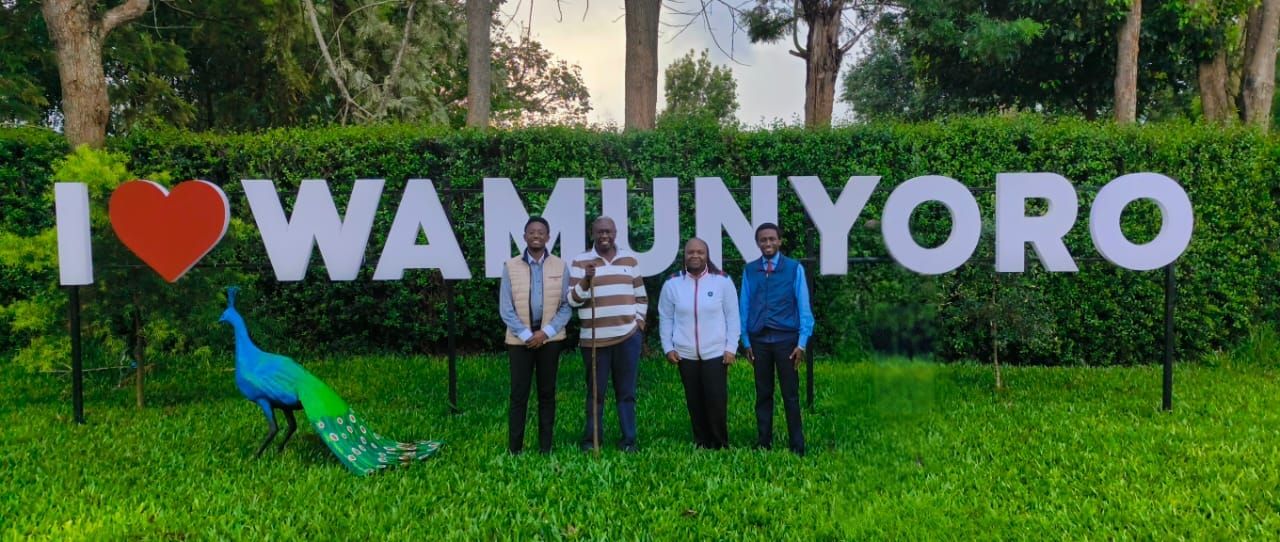
Former Deputy President Rigathi Gachagua on Friday met student leaders from Daystar University in Nairobi, framing the engagement as part of his growing outreach to young people amid rising youth discontent over unemployment, governance and exclusion from decision-making.
The meeting brought together Hannington Karanja, a youth advocate at Daystar University, and Wilson Kanyago, the Governor of the Daystar University Nairobi Campus. The two said they were speaking on behalf of students across universities and Technical and Vocational Education and Training (TVET) institutions.
In a statement after the engagement, Gachagua said the discussions centred on the youth agenda and the need for young people to have a meaningful place at the decision-making table, rather than being treated as an afterthought in national politics.
“We spoke on the youth agenda and their involvement at the decision-making table,” Gachagua said. “To the young people of our country, I hear you and we shall build back our country.”
The meeting comes at a time when young Kenyans have become increasingly vocal, using campus platforms, civic forums and social media to push for accountability, economic opportunities and political reforms. Youth unemployment, the rising cost of living and frustration with political leadership have dominated recent public debates, particularly among students and recent graduates.
According to participants, the talks touched on the gap between education and employment, the cost of higher education, and the feeling among many young people that policies affecting their future are made without their input.
“Young people want more than promises. They want to be part of shaping the decisions that affect their lives,” one of the student leaders said after the meeting.
Since his impeachment as deputy president, Gachagua has stepped up engagements with grassroots leaders, professionals and now youth groups, a move analysts interpret as an attempt to reposition himself politically ahead of future contests. His outreach to students and youth leaders signals an effort to tap into a demographic that makes up the majority of Kenya’s population but remains underrepresented in leadership and policy-making spaces.
Critics, however, caution that such engagements must go beyond symbolism. They argue that meaningful youth inclusion will require structured representation in government processes, policy reforms that address job creation, and sustained dialogue rather than one-off meetings.


