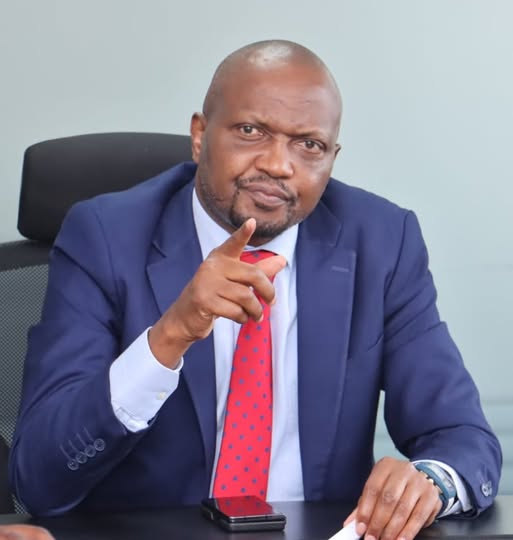
Moses Kuria has raised eyebrows with his blunt assessment of President William Ruto’s bold vision for Kenya: becoming a “modern-day Singapore.” Speaking to the media, Kuria remarked, “I don’t know how we are going to Singapore,” signaling doubts about the clarity and execution of the government’s long-term economic strategy.
Ruto has often cited Singapore as a model for Kenya—a small, highly industrialized, and economically advanced nation. The comparison is intended to showcase a future of innovation, investment, and high living standards. But Kuria’s comments highlight a growing concern among some politicians and citizens: the gap between ambition and practical steps to achieve it.
Economic analysts point to multiple hurdles Kenya must overcome to approach Singapore’s level, including high public debt, governance challenges, unemployment, and infrastructure bottlenecks. Kuria’s skepticism resonates with voters who feel that aspirational targets often overshadow day-to-day economic realities, such as rising living costs and job scarcity.
The MP’s remarks also touch on a broader political debate. While government officials argue that setting high benchmarks inspires reform and attracts investment, critics contend that vague visions without detailed roadmaps risk raising expectations that may never materialize.
Kuria’s comments are likely to fuel further discussion as Kenya heads toward 2027, with citizens, investors, and policymakers questioning not just what the government hopes to achieve, but how it intends to get there. His statement underscores the growing demand for concrete policies, actionable timelines, and measurable outcomes in the country’s ambitious economic agenda.
As the discussion continues, one thing is clear: rhetoric about transforming Kenya into a Singapore may inspire headlines, but many, like Moses Kuria, are asking the critical question: “What is the path to get there?”


