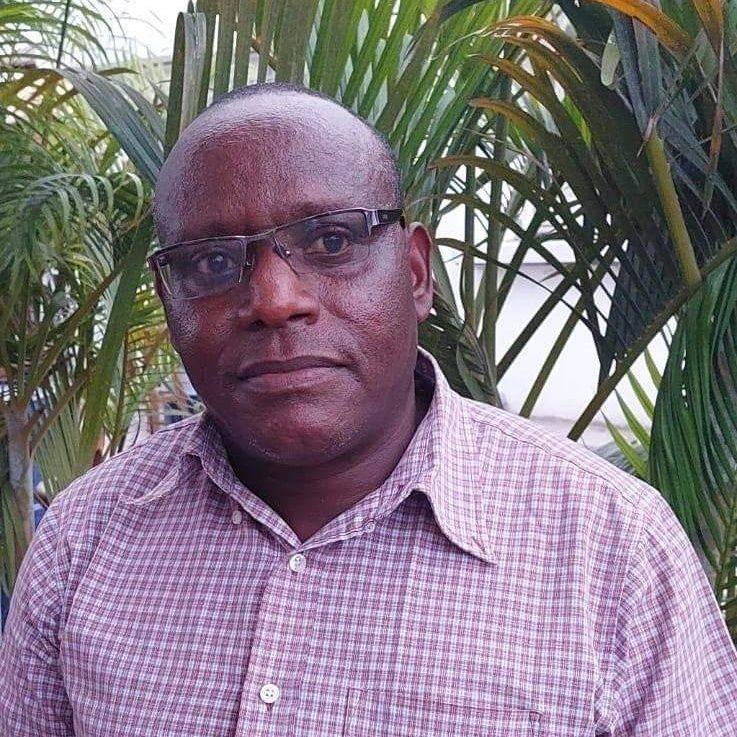
Nairobi’s next governor must confront an uncomfortable truth: without a clear, data-driven plan for the city’s physical structure, promises to fix traffic, housing and services are “false,” according to Ndung’u Wainaina, the executive director of the International Centre for Policy and Conflict (ICPC).
In a blunt warning aimed at both voters and politicians, Wainaina said Nairobi is operating on an outdated blueprint last drawn up more than five decades ago, leaving the capital overwhelmed by unplanned growth, congestion and systemic dysfunction. “If any gubernatorial candidate promises to fix Nairobi’s structural problems without presenting a comprehensive physical structure plan, they are giving false promises,” he said.
Nairobi City County, he noted, was last comprehensively planned in 1973. Since then, population growth, real estate expansion and infrastructure strain have outpaced governance. The result, Wainaina argued, is a city running on improvisation rather than design. “Without physical structure planning, it is business as usual. It is planning to fail,” he said.
He described Nairobi as suffering from severe system overload, with transport, housing, drainage and public utilities stretched beyond capacity. According to Wainaina, meaningful reform must begin with a modern physical structure plan informed by data and technology, laying out land use, transport corridors, utilities and environmental protection. “A comprehensive physical structure planning informed by data and technology is the beginning of fixing Nairobi. Anything else is stories,” he said.
Wainaina pointed to past political decisions as proof that bold action is possible. He cited the 2003 National Rainbow Coalition (NARC) government’s move to reclaim grabbed road reserves and bypass corridors, which later enabled the construction of key highways around the city. “You should learn from the 2003 NARC radical decision to recover the grabbed road bypasses and build them,” he said, adding that Nairobi’s trajectory could have been very different had the reforms gone further.
He also revealed that a new physical structure plan for Nairobi, funded by Japan and completed in 2014, was never implemented. The plan, he said, was frozen, leaving the city to continue expanding without a guiding framework.
As Nairobians look ahead to future gubernatorial contests, Wainaina urged voters to demand more than slogans and quick fixes. In his view, the real test for any serious contender lies in whether they can present, defend and implement a long-term physical structure plan capable of rescuing the capital from decades of ad hoc development and political neglect.


