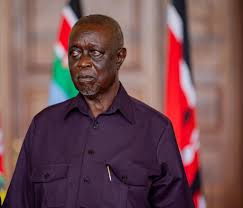
President William Ruto on Tuesday marked what would have been Raila Odinga’s 81st birthday with a solemn tribute, reflecting on the life and legacy of the former prime minister who died last year, closing a defining chapter in Kenya’s post-independence political history.
In a message shared on January 7, Ruto described Odinga as a patriot whose life was shaped by courage, sacrifice and an unyielding love for the country, saying his absence is still deeply felt across the political divide.
“Baba taught us, time and again, that the country must always come before self, that no ambition is greater than our unity, and no victory more important than our peace,” Ruto said, portraying Odinga as a statesman who ultimately placed national stability above personal gain.
Odinga, a central figure in Kenya’s opposition politics for decades, died after a long political career marked by detention, exile, electoral losses and rare moments of national reconciliation. From his role in the struggle against one-party rule to his tenure as prime minister following the 2008 post-election crisis, Odinga remained one of the most consequential and polarising figures in the country’s history.
Ruto said Odinga never lost faith in Kenya, even in moments of deep political tension, and consistently chose dialogue over confrontation. “Whether in struggle or reconciliation, he chose stability over chaos, unity over division, and hope over despair,” he said.
The president urged Kenyans to reflect on what he called the enduring lessons Odinga left behind: closing ranks for the common good, rising above partisanship and keeping faith in the Kenyan dream.
The tribute was notable given the long rivalry between the two leaders, who often clashed fiercely before Ruto ascended to the presidency. Odinga’s death, however, has prompted a broader reassessment of his legacy, with allies and critics alike acknowledging his outsized influence on Kenya’s political evolution.
As the country remembers Odinga on his birthday, Ruto’s message framed the late opposition leader not just as a political adversary, but as a national figure whose impact will continue to shape Kenya long after his passing.


