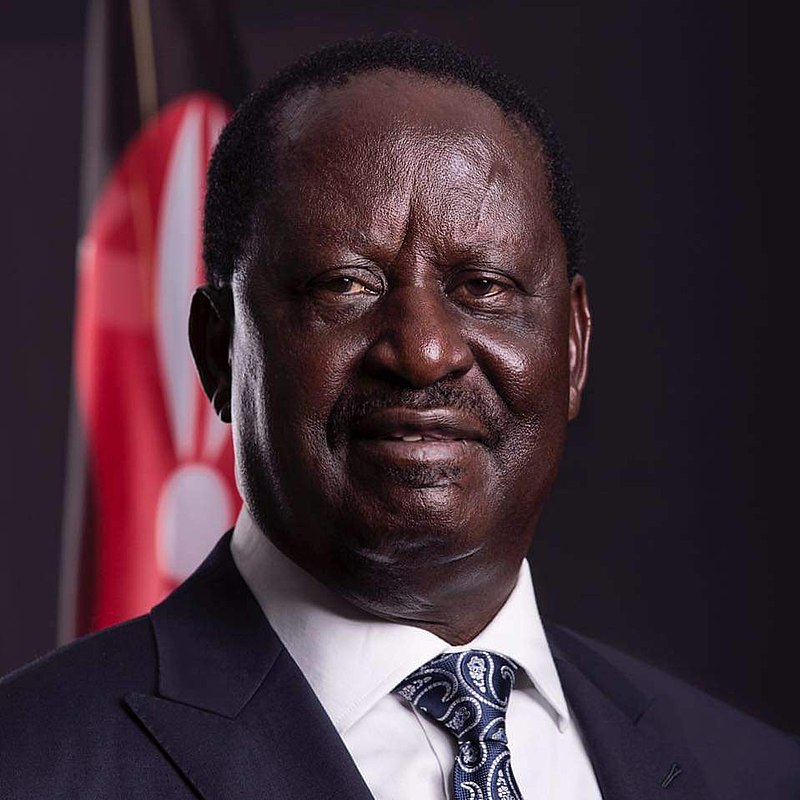
President William Ruto has announced plans to establish structured engagement mechanisms with the Orange Democratic Movement (ODM), signalling a new phase in Kenya’s political landscape as the country adjusts to the passing of Raila Odinga, one of its most influential leaders.
Raila Odinga, Kenya’s veteran opposition figure, died on 15 October 2025 in India while receiving medical treatment. The former prime minister, aged 80, suffered a cardiac arrest. President Ruto declared a seven-day national mourning period, ordered flags at half-mast, and designated a public holiday in Odinga’s honour. Tens of thousands of Kenyans attended memorials and the state funeral, reflecting the breadth of Odinga’s impact on the nation’s politics.
At a UDA National Executive Committee meeting at State House, Nairobi, Ruto said the engagement framework with ODM would coordinate dialogue, build consensus on shared priorities, and strengthen governance while laying the groundwork for potential coalition arrangements ahead of the 2027 general election.
“We are establishing mechanisms for structured engagement with the ODM Party to deepen political cooperation, build consensus on shared priorities, and provide a clear framework for dialogue, coordination, and partnership,” Ruto said.
The framework formalises months of behind-the-scenes alignment between Kenya Kwanza and ODM. ODM legislators have increasingly backed government legislation, reflecting a pragmatic approach to governance and national stability.
Central to this engagement is Oburu Odinga, Raila’s elder brother and a senior ODM figure, who has emerged as a key coordinator between the party and the government. Oburu has helped maintain party cohesion while facilitating parliamentary cooperation and policy alignment, a role analysts say is critical in the post-Raila era.
“Oburu is now the principal guarantor of ODM’s internal cohesion and its engagement with the government,” said a Nairobi-based political analyst. “His stewardship will be critical in navigating the party’s identity between loyal opposition and broader national participation.”
Political observers say Ruto’s initiative is partly strategic, aimed at consolidating legislative support and reducing the risk of opposition fragmentation ahead of the 2027 polls. Some UDA members have expressed concern about diluting the party’s identity, while segments of ODM’s base remain cautious about working closely with a government they once opposed.
Ruto insisted the engagement would prioritise national interest over short-term political gains, providing a structured channel to manage disagreements while maintaining stability.
As Kenya navigates this period of political transition, the evolving UDA–ODM partnership—coordinated in part by Oburu Odinga—may reshape alliances and influence the country’s political trajectory leading up to 2027.


