With just twenty months to the August 2027 general elections, the Kenyan government is stepping up economic and governance reforms that analysts say could influence voter sentiment ahead of the polls.
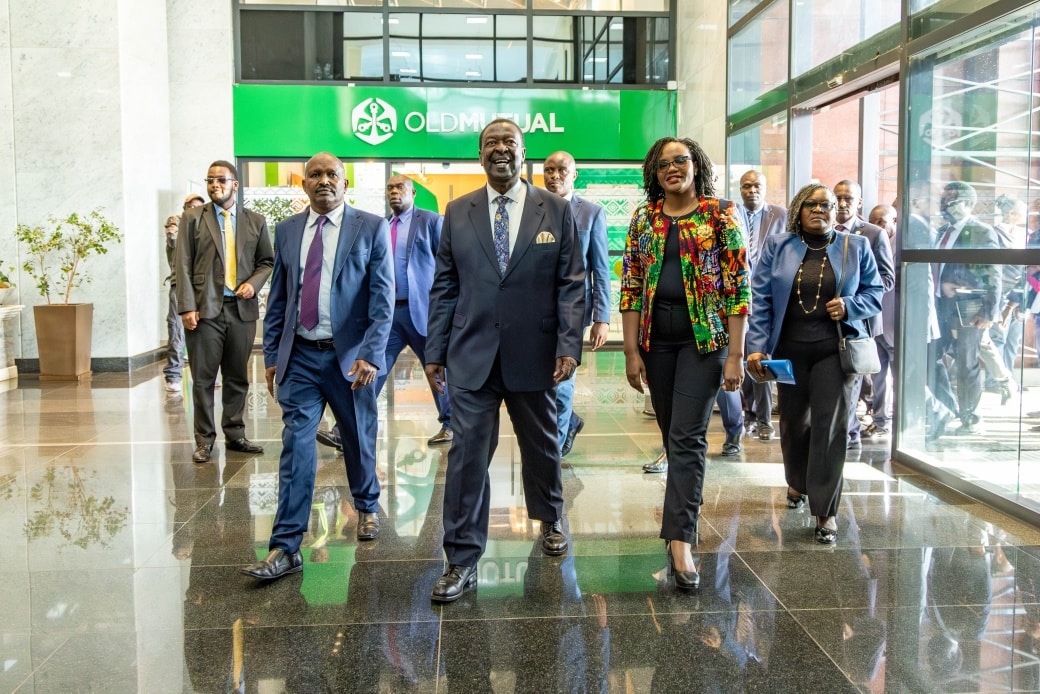
On Wednesday, Prime Cabinet Secretary Musalia Mudavadi chaired the second meeting of the National Development Implementation Committee (NDIC) at the Kenya School of Government in Lower Kabete. The high-level committee, composed of principal secretaries and Cabinet officials, reviewed the state of the economy, public projects, and fiscal policies.
NDIC reported that inflation has fallen to 4.6% in October 2025, down from a peak of 9.6% in 2022, thanks to tighter monetary policies and easing food and energy prices. Diaspora remittances rose 7.6% to USD 5.08 billion, while foreign exchange reserves hit USD 11.4 billion, providing a buffer of nearly five months of import cover. Analysts say the stabilizing shilling, now at Ksh 129.2 to the dollar, strengthens the government’s narrative of economic competence ahead of the elections.
Public debt remains high at Ksh 11.8 trillion, but NDIC projects a gradual decline to the 55% debt-to-GDP anchor by 2028. The committee also highlighted government innovations in financing projects such as the Talanta Sports City, using asset-backed bonds to attract private investors — a move seen by political commentators as a visible demonstration of delivery to voters.
The NDIC called for stricter control of public expenditure, prioritization of ongoing projects, digitization of payroll and pension systems, and faster citizen participation through legislation like the Public Participation Bill. “Greater urgency in service delivery” was emphasized, with officials reminded that the coming months are pivotal in proving the government can deliver on its Bottom-Up Economic Transformation Agenda (BETA).
Political analysts say the timing of these fiscal and governance moves is deliberate. By stabilizing the economy, completing visible projects, and showcasing citizen involvement, the government hopes to consolidate support in key regions ahead of the 2027 polls. “This is as much about policy as it is about politics,” said a Nairobi-based economist James Maina. “Every tangible achievement, from lower inflation to Diaspora remittances, will be framed as proof of the administration’s ability to lead.”


