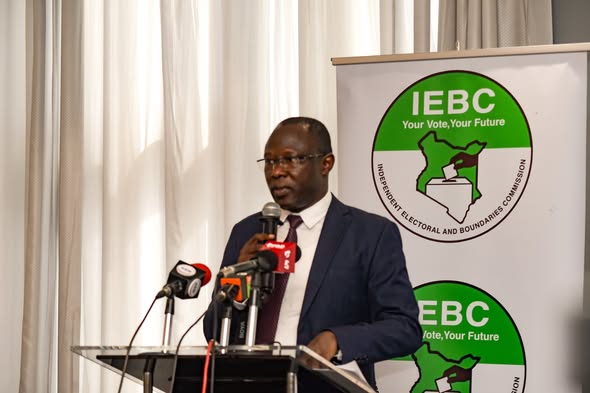
The Independent Electoral and Boundaries Commission (IEBC) has announced it will review constituency and ward boundaries through a phased approach, a move it says is aimed at meeting constitutional obligations without jeopardising the integrity of future elections.
In a statement, the commission said the decision followed a comprehensive assessment of constitutional requirements, guidance from the courts, resource constraints and the national electoral calendar.
“The Commission has resolved to undertake the review of constituency and ward boundaries through a phased approach,” IEBC said, describing the move as a balance between legal compliance and practical realities facing the electoral body.
Under the Constitution, IEBC is required to review electoral boundaries at intervals of between eight and 12 years to ensure fair representation based on population changes and other factors. The last comprehensive boundary review was carried out ahead of the 2013 General Election, meaning the process is long overdue.
However, repeated attempts to initiate the exercise have been hampered by legal disputes, funding shortfalls and prolonged gaps in the full constitution of the commission. Court decisions in previous years have also set strict parameters on how and when boundary reviews can be conducted, further complicating the process.
IEBC said the phased approach would allow it to progressively implement the review while avoiding disruptions to other critical electoral activities, including voter registration, electoral reforms and preparations for upcoming polls.
“This decision reflects the Commission’s commitment to upholding constitutionalism while safeguarding the integrity and preparedness of the electoral process,” the statement read.
While the commission did not outline specific timelines or phases, it indicated that further details would be communicated to stakeholders, including Parliament, political parties and the public.
Boundary reviews are among the most politically sensitive exercises undertaken by the IEBC, as changes can alter voting patterns, representation in Parliament and county assemblies, and the distribution of public resources. In past cycles, proposals by the commission have sparked intense political debate and triggered multiple court cases.
The announcement comes amid renewed pressure on IEBC to address pending electoral reforms and outstanding constitutional mandates as the country edges closer to the next General Election.


