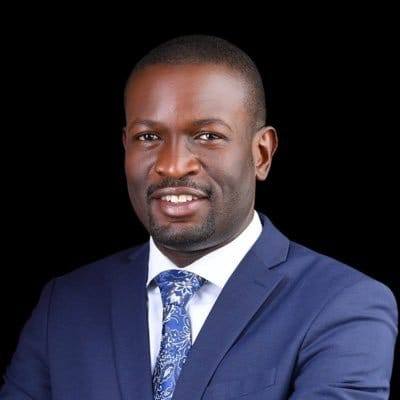
Nairobi Senator Edwin W. Sifuna has blamed Kenya’s political leadership for pushing citizens into desperation that leaves them vulnerable to exploitation, saying leaders must take responsibility for the country’s deepening economic pain.
Speaking in the Senate, Sifuna said hunger and joblessness were driving many Kenyans into risky and exploitative arrangements.
“When you are watching your family go hungry and someone offers you a job, you are likely to take it — even if it is exploitative or not in your best interest,” he wrote. “It is we, as leaders, who have made life so difficult for Kenyans that they become vulnerable to such traps.”
Sifuna, who also serves as Secretary-General of the Orange Democratic Movement, appeared to be responding to growing concerns over the plight of Kenyans seeking work locally and abroad.
His remarks come against the backdrop of rising cost of living, high fuel prices and increased taxation that have squeezed household incomes over the past two years. Since the Kenya Kwanza administration took office under President William Ruto in 2022, the government has defended a raft of tax measures as necessary to stabilise the economy and reduce debt. However, critics argue the measures have worsened the burden on ordinary citizens.
At the same time, unemployment—especially among the youth—remains stubbornly high. Thousands of young Kenyans have turned to overseas job markets, particularly in the Middle East, in search of better pay. While some have secured stable employment, others have reported cases of exploitation, delayed wages and harsh working conditions.
Human rights organisations and labour activists have repeatedly warned that economic desperation makes job seekers easy targets for unscrupulous recruiters and traffickers.
Sifuna said the blame should not fall on desperate workers but on leaders who have failed to create sustainable economic opportunities.
“We must create an environment where no Kenyan is forced by hunger to accept indignity,” he said.
His comments are likely to intensify debate over the government’s economic direction and the broader responsibility of political leaders to shield citizens from poverty and exploitation.


