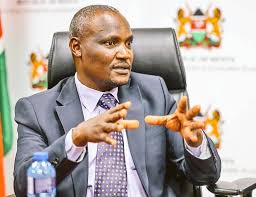
National Treasury Cabinet Secretary John Mbadi has come out strongly in support of the proposed National Infrastructure Fund, saying the initiative will play a crucial role in accelerating development across the country.
Speaking on Saturday during the groundbreaking ceremony for a maternity ward at Lwanda Gwassi Health Centre and the launch of a borehole project at Lwanda Comprehensive School in Suba South Constituency, Mbadi dismissed criticism of the fund from some political leaders.
The CS accused critics of deliberately politicising the initiative, particularly claims that the fund could be used to finance campaigns ahead of the 2027 General Election.
According to Mbadi, such allegations are misleading and meant to create unnecessary public fear.
He insisted that the fund is strictly intended to support infrastructure development and has no link to political activities.
Mbadi further argued that opposition leaders questioning the initiative may not fully understand its economic benefits.
He said many countries around the world have successfully used similar funds to finance major infrastructure projects and stimulate economic growth.
The CS cited examples including India, Canada, South Africa and Singapore, noting that infrastructure funds have helped transform development in those nations.
Mbadi expressed confidence that the fund could significantly improve Kenya’s economic prospects by supporting projects that generate long-term growth.
He also criticised proposals by some opposition leaders suggesting that Kenya should instead raise funds through infrastructure bonds.
According to the CS, such bonds would require borrowing and could increase the country’s debt burden, which he described as risky for the economy.
Mbadi commended Members of Parliament for approving the National Infrastructure Fund Bill and said the government is now waiting for William Ruto to sign it into law.
Once enacted, he said the fund will help finance large-scale infrastructure projects aimed at boosting economic development and improving livelihoods across the country.


