O

Written by

Okinda Benjamin

Mar 20, 2026

5 min read

Ruto courts opposition turf with Idd luncheon

"President William Ruto on Friday hosted Muslim leaders for an Idd-ul-Fitr luncheon at State Lodge in Kisumu, using the occasion to project a message of unity and inclusion that is increasingly taking on political significance ahead of the 2027 General Election. In a statement shared after the event, Ruto said the gathering marked the successful conclusion of the holy month of Ramadan and reaffirmed his administration’s commitment to a diverse and cohesive nation. “We reaffirmed our commitment to building an inclusive nation that respects and upholds the diversity of all its people,” he said, while thanking the Muslim community for their prayers and role in promoting peace and harmony. The choice of Kisumu — a region traditionally aligned with opposition politics — and the emphasis on religious inclusion reflect a broader strategy by the President to expand his political base beyond his traditional strongholds. Analysts say such engagements, while framed as national unity efforts, are becoming increasingly intertwined with early positioning for the 2027 elections. Ruto’s outreach to Muslim leaders comes at a time when his administration faces mounting political pressure, with critics questioning economic policies and governance decisions. By engaging faith communities, particularly in regions where he performed poorly in 2022, the President appears keen to reshape his image and consolidate support across ethnic and regional lines. Religious gatherings have historically played a subtle but influential role in Kenya’s politics, often serving as platforms for leaders to signal alliances and test public sentiment. Ruto’s message of inclusivity is likely aimed at countering narratives pushed by his opponents, who have accused his administration of deepening divisions. Political observers note that the Muslim vote, while not monolithic, remains significant in key counties along the Coast and in parts of northern Kenya — regions that could prove decisive in a tightly contested election. Efforts to build trust and visibility within these communities could therefore yield long-term electoral dividends. At the same time, the Kisumu event underscores Ruto’s continued push into opposition territory, following a series of visits and development pledges in the region. The strategy suggests an attempt to weaken entrenched political loyalties while presenting himself as a national, rather than regional, leader. While the luncheon was framed as a celebration of faith and unity, its timing and messaging highlight how even ceremonial events are increasingly being viewed through a political lens as the country slowly edges toward the next election cycle."

Ruto courts opposition turf with Idd luncheon background
Ruto courts opposition turf with Idd luncheon

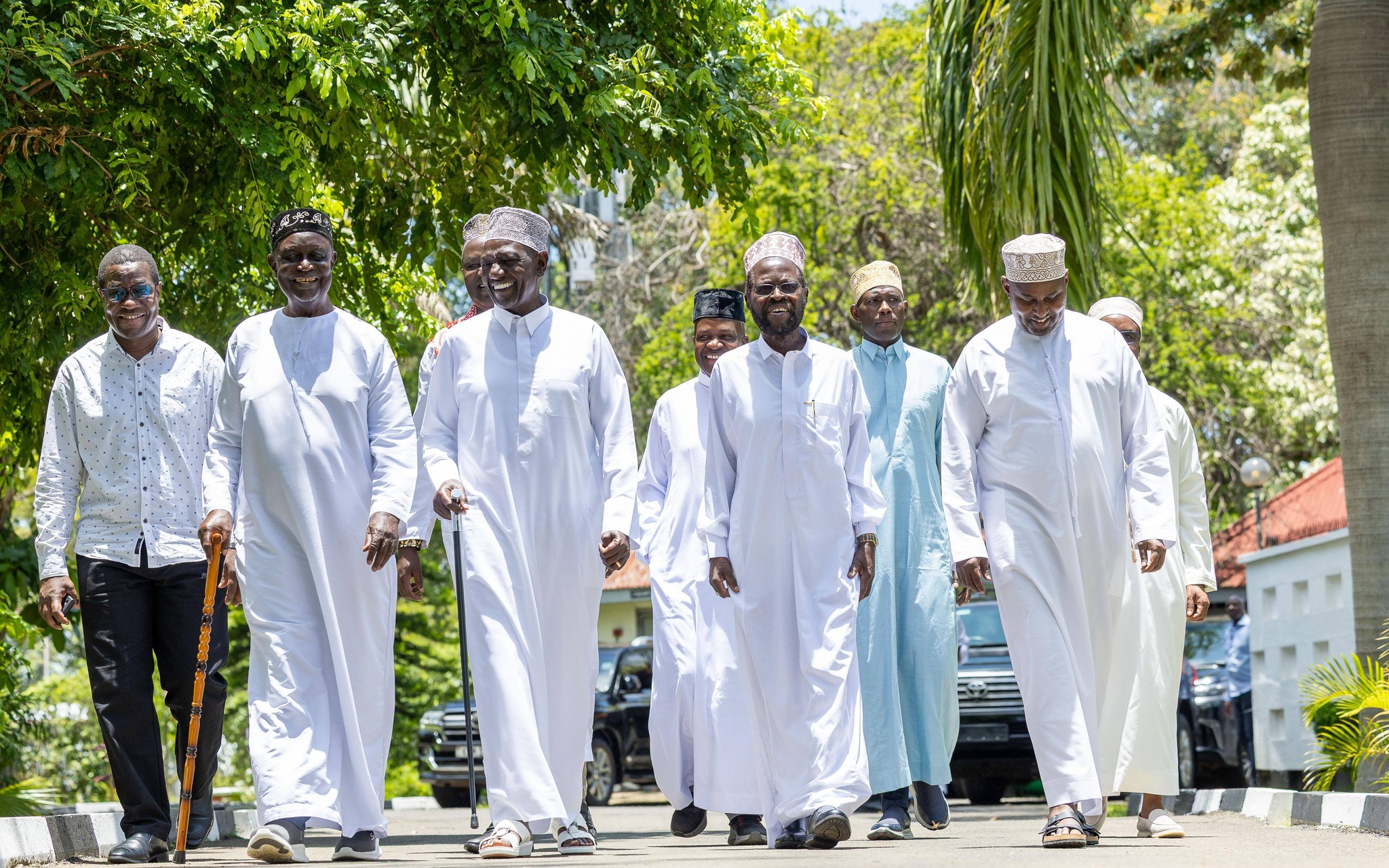
President William Ruto on Friday hosted Muslim leaders for an Idd-ul-Fitr luncheon at State Lodge in Kisumu, using the occasion to project a message of unity and inclusion that is increasingly taking on political significance ahead of the 2027 General Election.

In a statement shared after the event, Ruto said the gathering marked the successful conclusion of the holy month of Ramadan and reaffirmed his administration’s commitment to a diverse and cohesive nation. “We reaffirmed our commitment to building an inclusive nation that respects and upholds the diversity of all its people,” he said, while thanking the Muslim community for their prayers and role in promoting peace and harmony.

The choice of Kisumu — a region traditionally aligned with opposition politics — and the emphasis on religious inclusion reflect a broader strategy by the President to expand his political base beyond his traditional strongholds. Analysts say such engagements, while framed as national unity efforts, are becoming increasingly intertwined with early positioning for the 2027 elections.

Ruto’s outreach to Muslim leaders comes at a time when his administration faces mounting political pressure, with critics questioning economic policies and governance decisions. By engaging faith communities, particularly in regions where he performed poorly in 2022, the President appears keen to reshape his image and consolidate support across ethnic and regional lines.

Religious gatherings have historically played a subtle but influential role in Kenya’s politics, often serving as platforms for leaders to signal alliances and test public sentiment. Ruto’s message of inclusivity is likely aimed at countering narratives pushed by his opponents, who have accused his administration of deepening divisions.

Political observers note that the Muslim vote, while not monolithic, remains significant in key counties along the Coast and in parts of northern Kenya — regions that could prove decisive in a tightly contested election. Efforts to build trust and visibility within these communities could therefore yield long-term electoral dividends.


 

Key Takeaways

  • Stay informed about Kenya's 2027 general elections
  • Track candidates, counties, and election updates in real-time
  • Access verified information from trusted sources

Election Timeline

1

Voter Registration

Continuous registration ongoing

2

Candidate Nomination

Political parties select candidates

3

Election Day

August 9, 2027

Did You Know?

Kenya has 47 counties, 290 constituencies, and over 1,450 wards. The 2027 elections will involve voting for 6 different positions: President, Governor, Senator, Woman Representative, Member of Parliament, and Member of County Assembly.

Make Your Voice Count!

Register to vote and participate in Kenya's democratic process

Learn More

Related Topics

#

Share This Article

Prefer us on Google Search

See more Kenya Elections Tracker stories in Top Stories and AI Overviews when you add us as a preferred source.

Back to All News
