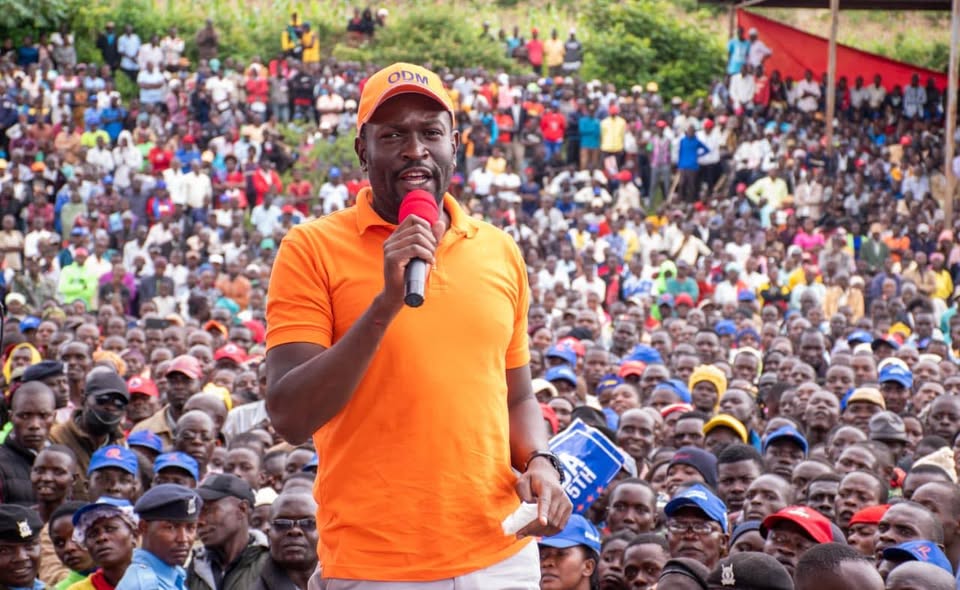
Nairobi Senator Edwin Sifuna has called on the Independent Electoral and Boundaries Commission (IEBC) to address what he termed as anomalies in voter registration, warning that failure to ensure transparency could undermine public trust in the electoral process.
In a statement, Sifuna demanded full disclosure from the electoral agency, insisting that accountability is not negotiable. “IEBC must come clean on the anomalies in voter registration, transparency is not optional,” he said.
His remarks come amid ongoing voter registration updates by the commission. According to IEBC data from its most recent mass registration drive, Kenya has over 22 million registered voters, with the commission reporting that more than 1.5 million new voters were added during the last nationwide exercise. The agency has maintained that the process followed legal and procedural requirements, including biometric verification and public inspection of the register.
In previous statements, the IEBC has acknowledged isolated technical and administrative concerns raised by stakeholders but insisted that mechanisms are in place to address them. The commission has repeatedly urged political actors to channel complaints through formal dispute resolution frameworks, including verification during the public inspection period.
“The commission remains committed to delivering a credible and transparent electoral process,” IEBC said in an earlier statement, adding that continuous audits and stakeholder engagement are part of efforts to safeguard the integrity of the voter register.
Sifuna, however, also raised concerns over the broader democratic space, urging authorities to uphold political tolerance. He said all leaders, regardless of political affiliation, must be allowed to move freely without fear of intimidation or harassment.
“And Kenya must guarantee political tolerance: every leader has the right to move freely without fear or intimidation. Democracy demands nothing less,” he added.
Analysts say the senator’s statement reflects wider opposition unease over electoral preparedness and the credibility of upcoming polls, as well as concerns about shrinking political space. With political temperatures rising, pressure is expected to mount on the IEBC to provide greater transparency and reassure the public on the accuracy and reliability of the voter register.


