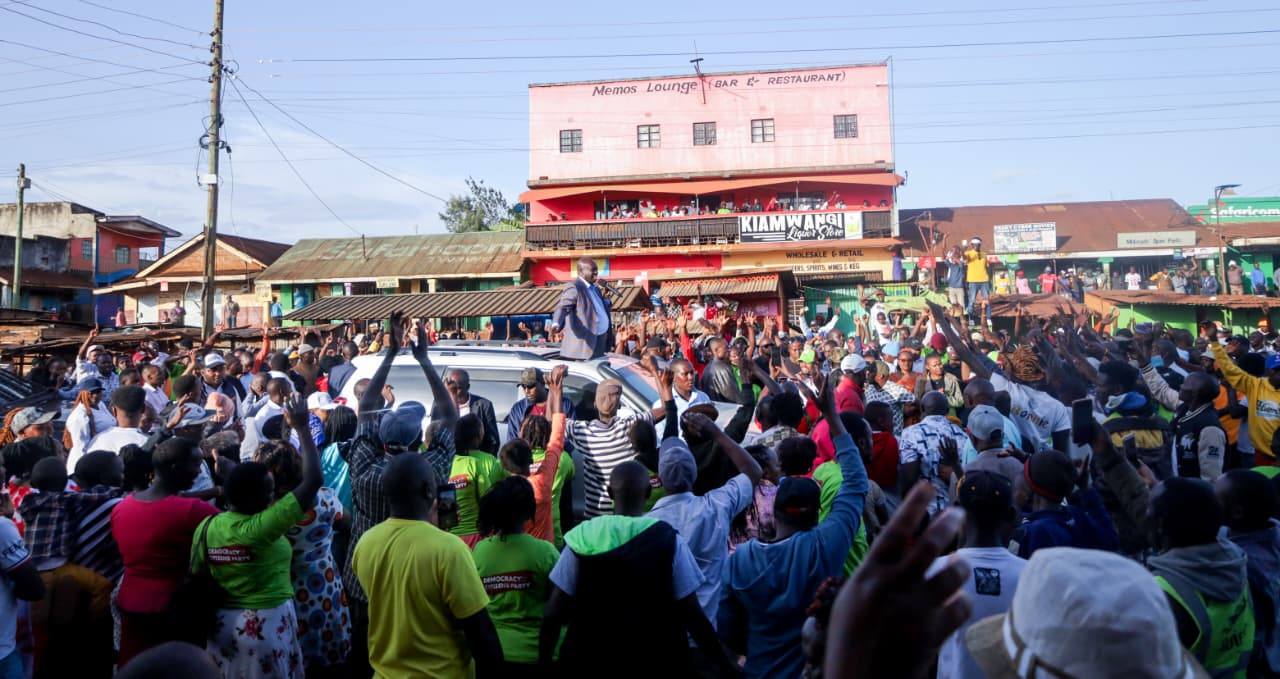
Former Deputy President Rigathi Gachagua has told the High Court that his impeachment was unconstitutional and is now seeking payment of salary and benefits for the remainder of his term, after abandoning his bid for reinstatement.
The case is being heard at the High Court of Kenya in Nairobi and stems from his removal from office in October 2024 following a process that began in the National Assembly and was concluded in the Senate.
Gachagua was first impeached by the National Assembly of Kenya after Members of Parliament approved a motion accusing him of gross misconduct, abuse of office and violation of the Constitution.
The motion was then transmitted to the Senate of Kenya for trial, where senators heard arguments from both sides before upholding several of the charges, effectively confirming his removal from office.
His ouster marked the first time a deputy president was successfully removed through the constitutional impeachment process under the 2010 Constitution, triggering intense political debate and legal scrutiny.
Through his lawyer Paul Muite, Gachagua informed the court that he had dropped his earlier request to be reinstated.
“The petitioner has abandoned the prayer for reinstatement,” Mr Muite told the court, signalling a shift in legal strategy.
What Gachagua is asking for
In his amended petition, Gachagua is now seeking several orders from the court.
He wants:
“The declaration that the impeachment process was unconstitutional and therefore null and void.”
He is also asking for financial compensation, including:
“Payment of salary and benefits for the remainder of his term.”
In addition, he is seeking general damages arising from what he terms unlawful removal from office.
Grounds of his case
Gachagua argues that the impeachment process violated constitutional safeguards, including his right to a fair hearing and adequate time to defend himself.
He also claims Parliament acted with undue haste and failed to meet the constitutional threshold required for removing a deputy president.
His legal team further argues that public participation in the process was inadequate, rendering the proceedings unconstitutional.
State defence
The State has, however, defended the impeachment, maintaining that both Houses of Parliament followed due process and acted within their constitutional mandate.
Government lawyers told the court that:
“The proceedings in both the National Assembly and the Senate were conducted in accordance with the Constitution and the Standing Orders.”
The High Court is expected to continue hearing the matter in the coming weeks, with the case now centred on whether Parliament acted within the law when it removed Gachagua from office and whether he is entitled to compensation.


