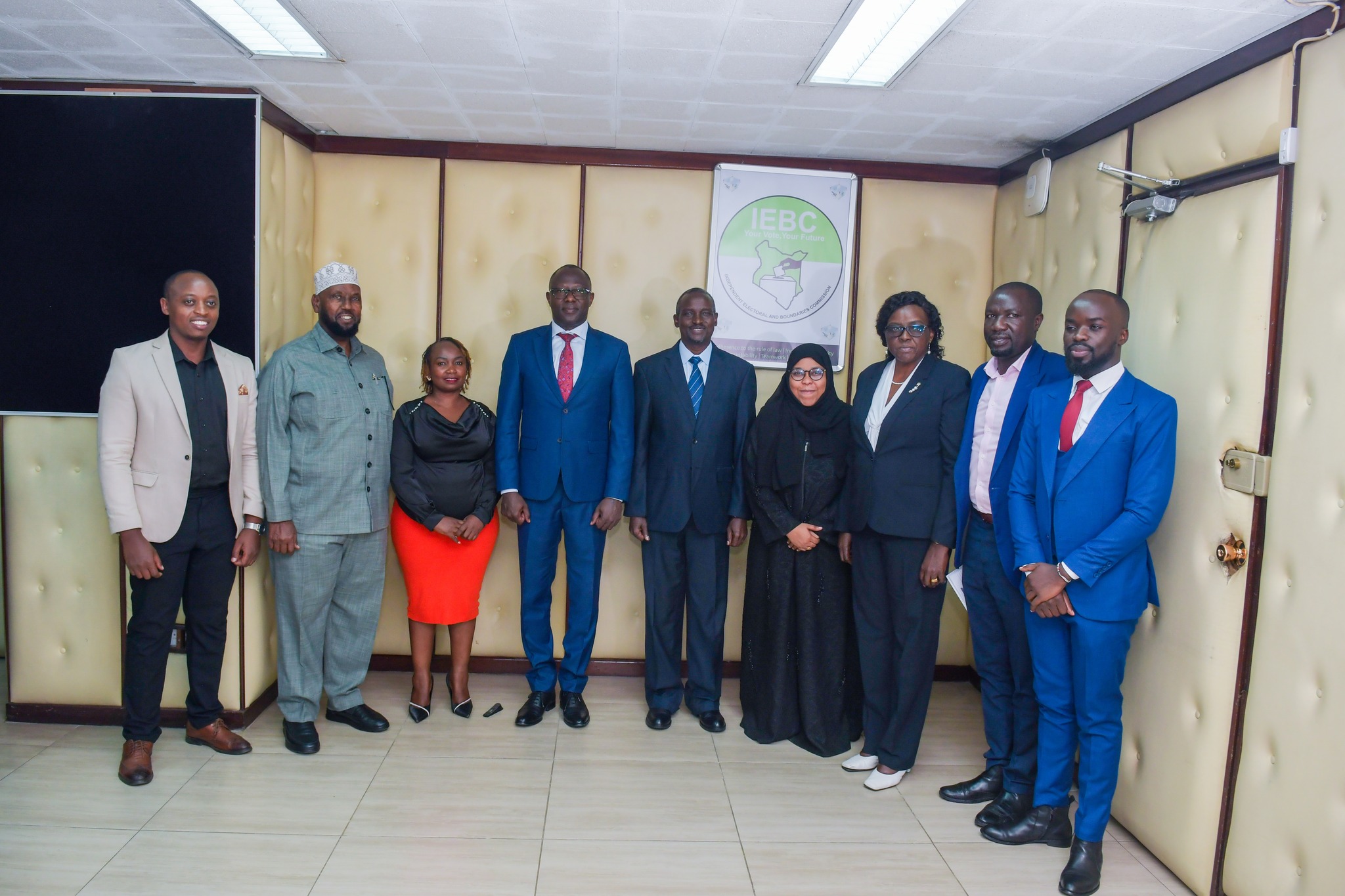
Electoral regulators from Kenya, Malawi and Sierra Leone have formed a new continental platform aimed at strengthening the regulation of political parties and deepening democratic governance across Africa.
The Independent Electoral and Boundaries Commission (IEBC) Commissioner Dr Ann Nderitu said the collaboration marks a strategic shift towards shared learning and institutional cooperation in managing political party systems.
She spoke during the signing of a Memorandum of Understanding (MoU) in Nairobi that formally established the African Association of Political Parties Regulatory Authorities (AAPPRA), bringing together registrars of political parties from the three countries as founding members.
“No single country can claim to have perfected the regulation of political parties. However, when we come together, we strengthen each other through shared learning, ideas and experience,” Dr Nderitu said.
The initiative, she noted, originated during her tenure as Registrar of Political Parties in Kenya, and has now evolved into a formal intergovernmental framework for cooperation on party regulation.
Dr Nderitu said the formalisation of AAPPRA goes beyond institutional cooperation, describing it as a deliberate effort to strengthen governance systems, improve political party regulation, and promote more inclusive democratic participation.
“Africa’s democratic future depends on building its own strong, context-driven systems. That growth can only happen through collaboration and sharing ideas, strengthening institutions and advancing inclusive political participation. AAPPRA represents that collective path forward,” she said.
Kenya’s Registrar of Political Parties John C. Lorionokou said the agreement reflects the transformation of a long-held idea into a working framework for collaboration among African electoral institutions.
“We now see the product behind the dream, and we look forward to AAPPRA playing a key role in strengthening political party democracies across our countries,” he said.
Malawi’s Registrar of Political Parties Kizito Tenthani said regulators carry the responsibility of ensuring political parties are strong enough to sustain democratic systems.
“As regulators, our responsibility is to build strong political parties that anchor and sustain democratic systems,” he said.
Sierra Leone’s Political Parties Regulation Commission Executive Secretary Olushogo Abraham said the Nairobi meeting signals the beginning of wider continental engagement on party regulation reforms.
He expressed optimism that more African countries would join the platform as it grows into a regional governance mechanism aimed at improving transparency, accountability and internal democracy within political parties.
Background
The formation of AAPPRA comes against a backdrop of growing efforts across Africa to strengthen democratic institutions, particularly political parties, which remain central to electoral processes but often face challenges related to internal democracy, financing, and regulatory compliance.
In many African countries, political party regulation has traditionally been handled at the national level, with limited structured collaboration between regulators across borders. This has often led to differing standards in party registration, financing oversight, and enforcement of political party laws.
The idea of a continental framework for cooperation emerged in recent years as electoral management bodies and party registrars increasingly recognised the need for shared experiences in addressing common challenges such as party proliferation, weak internal democracy, and the influence of money in politics.
Kenya has in recent years undertaken reforms in political party regulation through the Office of the Registrar of Political Parties, while Malawi and Sierra Leone have also strengthened oversight institutions to improve accountability within political parties.
The establishment of AAPPRA is expected to provide a structured platform for peer learning, harmonisation of regulatory practices, and capacity building among member states, with the long-term aim of supporting stronger and more transparent political party systems across Africa.


