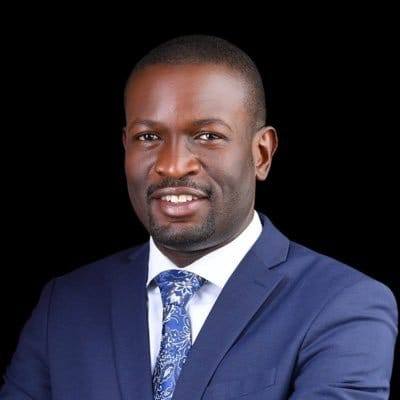
ODM SG Edwin Sifuna has said Kenyans have grown deeply distrustful of political leaders after years of what he described as deception and neglect by both Parliament and the Executive, warning that even credible leaders now struggle to gain public confidence.
In a statement, Sifuna said prolonged misgovernance had left citizens feeling “oppressed and misled,” arguing that institutions meant to protect wananchi had instead turned inward, prioritising political survival over public welfare.
“Kenyans have been deceived for too long to the point that even when good leaders emerge, it becomes hard to believe them,” he said. “However, I want to assure Kenyans that good leaders still exist; we will not be bought, and we will continue to serve them diligently.”
His remarks tap into growing public frustration with the Parliament of Kenya, which critics say has increasingly failed in its oversight role, often passing contentious laws that impose heavier taxes and levies on citizens while doing little to cushion them from economic hardship. In recent years, lawmakers have faced backlash for approving policies seen as punitive, even as many Kenyans struggle with the rising cost of living.
At the same time, Sifuna’s comments also reflect discontent with the administration of President William Ruto, whose government has pushed through wide-ranging economic reforms, including changes in taxation and healthcare financing, that have sparked both support and criticism.
Opposition leaders have argued that the Executive has become increasingly detached from the realities facing ordinary Kenyans, pointing to challenges in accessing affordable healthcare, uncertainty in education funding and security concerns. The rollout of new systems such as the Social Health Authority (SHA) has, in some quarters, been cited as emblematic of reforms that have yet to deliver tangible relief.
Sifuna suggested that this perceived disconnect between leadership and citizens has eroded trust across the political spectrum, making it harder for voters to believe in promises—even from leaders positioning themselves as reformers.
Political analysts say the senator’s remarks reflect a broader narrative taking shape ahead of the 2027 General Election, where questions of accountability, institutional failure and public trust are likely to dominate campaigns.
“The frustration is not just with one arm of government—it cuts across Parliament and the Executive,” said a Nairobi-based analyst. “That’s why leaders are now trying to reintroduce themselves as credible alternatives.”
Sifuna’s insistence that leaders “cannot be bought” also signals an attempt to distance himself and his allies from a political culture long associated with shifting loyalties and transactional politics.


