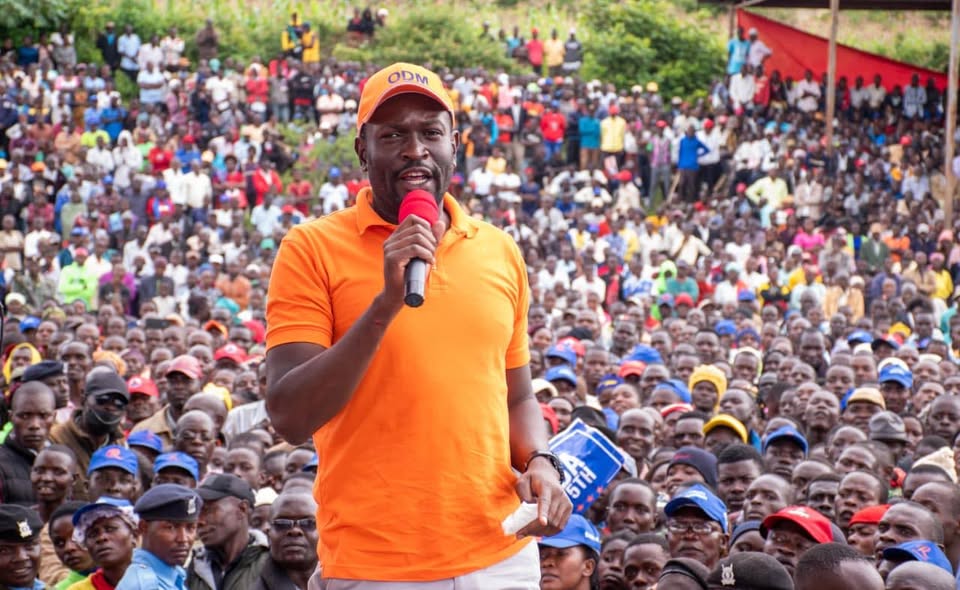
Edwin Sifuna has sought to clarify the role of senators in Kenya, saying the office remains central to representation, oversight and lawmaking at a time when public scrutiny of elected leaders is intensifying.
In a statement, the Nairobi Senator and Secretary-General of Orange Democratic Movement outlined three core functions of a senator: representing wananchi, overseeing county governments and participating in the legislative process. His remarks come amid growing public debate over the effectiveness of Parliament and the value of the Senate in addressing citizens’ concerns.
“For those who have asked what the work of a senator in Kenya is, it is to represent the people, to oversee county governments by following up and holding them accountable, and to make laws,” he said.
The clarification comes as questions persist over the performance of Senate of Kenya, particularly in its oversight role over devolved units. Critics have in the past accused the Senate of falling short in holding county administrations accountable, even as concerns mount over misuse of public funds and stalled development projects in some counties.
Sifuna’s remarks also feed into a broader political conversation about accountability across all levels of government, with citizens increasingly demanding transparency from both national and county leadership.
Analysts say the senator’s message appears aimed at reconnecting with voters who feel disconnected from legislative processes, especially as the country edges closer to the 2027 General Election.
“Many Kenyans do not fully understand the distinct roles of different elected leaders, and that gap often fuels frustration,” said a Nairobi-based governance expert. “Clarifications like these are part of a wider effort by politicians to reassert their relevance.”
The renewed focus on the Senate’s mandate comes against the backdrop of ongoing debates about devolution, resource allocation and the balance of power between national and county governments.
Analsyts added that Sifuna’s intervention signals an attempt to remind both the public and fellow leaders of the constitutional responsibilities attached to the office, even as pressure mounts on institutions to deliver more tangible results to wananchi.


