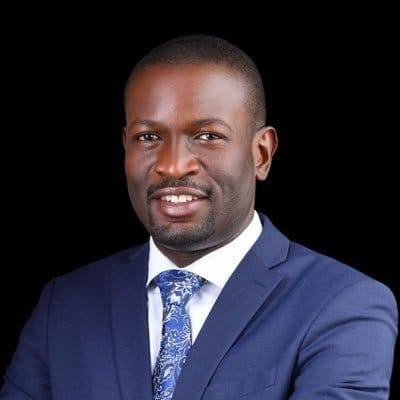
Nairobi Senator and ODM Secretary-General Edwin Sifuna has lifted the lid on the tense internal deliberations that led to opposition leader Raila Odinga withdrawing from Kenya’s controversial 2017 repeat presidential election.
In a social media post on Wednesday night, Sifuna suggested that fear and reluctance among key figures within the opposition coalition influenced the decision to pull out of the poll, which followed the nullification of the August 2017 presidential election by the Supreme Court.
“Another story I will tell you one of these days is of how the decision to pull Raila out of the repeat election in 2017 was made,” Sifuna wrote.
“The cowards in the room all suddenly decided that it was more of a ‘legal decision’ than a political one and the lawyers in the room were the ones to make the call.”
Sifuna, who was part of the National Super Alliance (NASA) legal and political team at the time, said senior counsel James Orengo took responsibility for the contentious move when others shied away.
“Truth is they were all running away from responsibility for that decision. We, the lawyers, all had to do it in writing. Orengo, our senior most stepped up and put his name down. The rest of us followed. Orengo is solid bwana,” he said.
The remarks reopen debate around one of the most defining political moments in Kenya’s recent history. After the Supreme Court annulled President Uhuru Kenyatta’s victory in September 2017, a repeat election was scheduled for October 26 that year.
The court, in a landmark ruling led by then Chief Justice David Maraga, found that the presidential election had not been conducted in accordance with the Constitution, citing irregularities and illegalities in the transmission of results by the Independent Electoral and Boundaries Commission.
The decision marked the first time in Africa that a presidential election result had been nullified by a court.
At the time, the opposition coalition NASA, which brought together leaders including Odinga, Orengo, Kalonzo Musyoka, Moses Wetang’ula and Musalia Mudavadi, initially prepared for the repeat poll while simultaneously demanding sweeping reforms at the IEBC.
NASA accused the electoral commission of failing to implement changes recommended after the annulment and insisted that key officials involved in the August election be removed before another vote could be held.
Odinga later withdrew from the race, arguing that the electoral body had ignored the reforms sought by the opposition, making the repeat election neither free nor fair. His withdrawal plunged the country into political uncertainty and triggered protests in opposition strongholds, some of which turned deadly following clashes between demonstrators and police.
Despite the boycott, Kenyatta proceeded to contest the election and was declared winner after garnering more than 98 per cent of the vote in a poll marked by low turnout.
The political standoff persisted for months before easing in March 2018, when Kenyatta and Odinga stunned the country with their famous “handshake” at Harambee House, ending months of hostility and ushering in a period of political détente.
Sifuna’s latest remarks are likely to reignite discussions within opposition circles over the handling of the 2017 election crisis and the internal dynamics that shaped NASA’s strategy at the time.


