With memories of disputed elections and growing public distrust still hanging over Kenya’s electoral process, the Independent Electoral and Boundaries Commission (IEBC) has begun laying the groundwork for what it says will be a more transparent, inclusive and credible 2027 General Election.
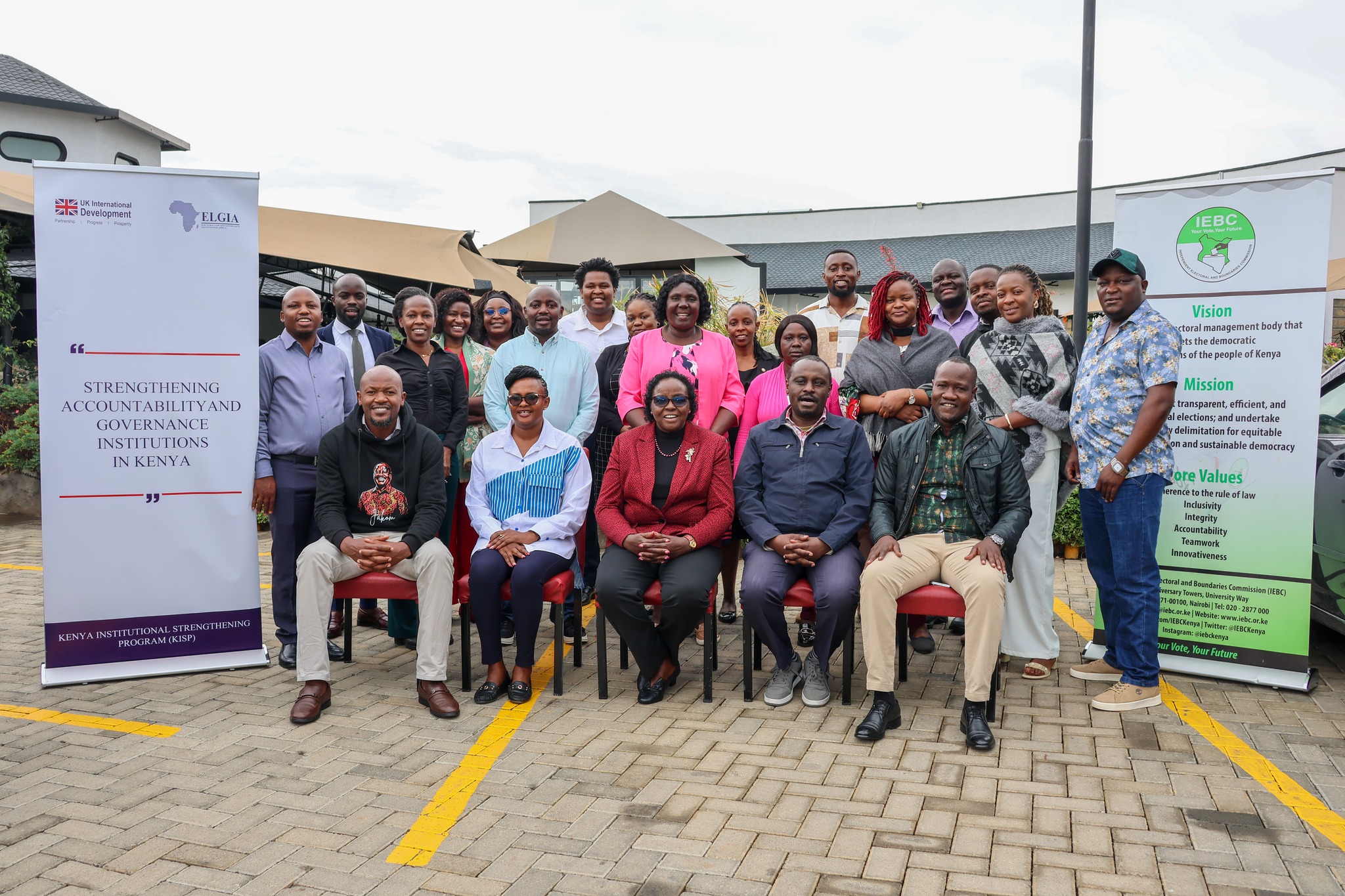
The Commission on Monday convened an External Stakeholder Validation Forum in Nairobi to review its draft 2024–2029 Strategic Plan and the 2025–2027 Electoral Operations Plan, documents that will shape how the electoral agency prepares for the next polls.
Opening the forum on behalf of the chairperson, IEBC Vice-Chairperson Fahima Araphat Abdallah said the plans are aimed at restoring confidence in the country’s electoral management system while strengthening the institution ahead of the high-stakes 2027 elections.
She said the Strategic Plan would guide the Commission’s priorities, reforms and institutional direction over the next five years, while the Electoral Operations Plan translates those goals into timelines, activities and budgetary requirements needed to deliver the next General Election.
“The Commission’s focus is to build a resilient, inclusive and trusted electoral management body committed to deepening Kenya’s democracy,” Abdallah said.
She added that preparations for the 2027 election remain the centrepiece of the Commission’s planning horizon, with efforts geared towards delivering a process that is “inclusive, participatory, peaceful, credible, verifiable and efficient.”
The forum brought together political parties, civil society groups and other election stakeholders at a time when scrutiny of the electoral body remains high following controversies that have marred previous elections.
The draft Strategic Plan is anchored on four key pillars — managing elections, citizen engagement and participation, equitable representation and institutional resilience.
IEBC Commissioner Ann Nderitu, who chairs the Electoral Operations Committee, said the plan comes at a critical moment for the country and seeks to align the Commission’s operations with constitutional principles and international electoral standards.
“This Strategic Plan provides a clear roadmap for the next five years,” she said.
Commissioner Francis Aduol said the Electoral Operations Plan is designed to convert reform priorities into practical actions ahead of 2027.
He noted that transparency and stakeholder involvement would be critical in rebuilding public trust in the electoral process.
Acting Commission Secretary and Chief Executive Officer Moses Sunkuli said the Commission was deliberately opening the plans to public scrutiny to ensure wider ownership and accountability.
“The documents set the Commission’s strategic direction and remain open for feedback to strengthen them,” Sunkuli said.
Political parties also called for sustained engagement between the Commission and electoral stakeholders.
Political Parties Liaison Committee chairperson Evans Misati said strategic planning and cooperation among institutions will be crucial in safeguarding future elections.
The validation exercise comes as the IEBC continues efforts to stabilise its operations following years of political contestation, leadership changes and legal disputes that have repeatedly placed the Commission at the centre of national tension.
The Commission has faced sustained criticism since the 2017 General Election, when the Supreme Court annulled the presidential results over irregularities and illegalities in the transmission process, forcing a repeat poll. The repeat election was later boycotted by opposition leader Raila Odinga, plunging the country into a prolonged political crisis.
In the 2022 General Election, divisions within the Commission again emerged publicly after four commissioners disowned the presidential results at the national tallying centre, exposing deep cracks within the electoral body. Former chairperson Wafula Chebukati later defended the results that declared President William Ruto the winner, with the Supreme Court ultimately upholding the outcome.
The Commission has since struggled with vacancies, budget constraints and calls for reforms from political players and civil society groups demanding greater transparency, accountability and technological integrity ahead of future elections.
Stakeholders at the forum were asked to submit proposals through memoranda, email submissions and breakout sessions within 14 days before the finalisation of the two plans.


