Kenya is preparing to regulate Artificial Intelligence (AI) as lawmakers warn that manipulated videos, images and audio could be used to distort political debate, intimidate candidates and mislead voters ahead of the 2027 General Election.
But the Government has admitted that it has no dedicated budget for developing, regulating and implementing artificial intelligence, raising questions about whether the country will have the resources to respond to emerging threats before the next election.
The Ministry of Information, Communications and the Digital Economy told the National Assembly Committee on Communication, Information and Innovation that the 2026/2027 national budget had no specific allocation for AI, despite the Government's ambition to position Kenya as a regional technology hub.
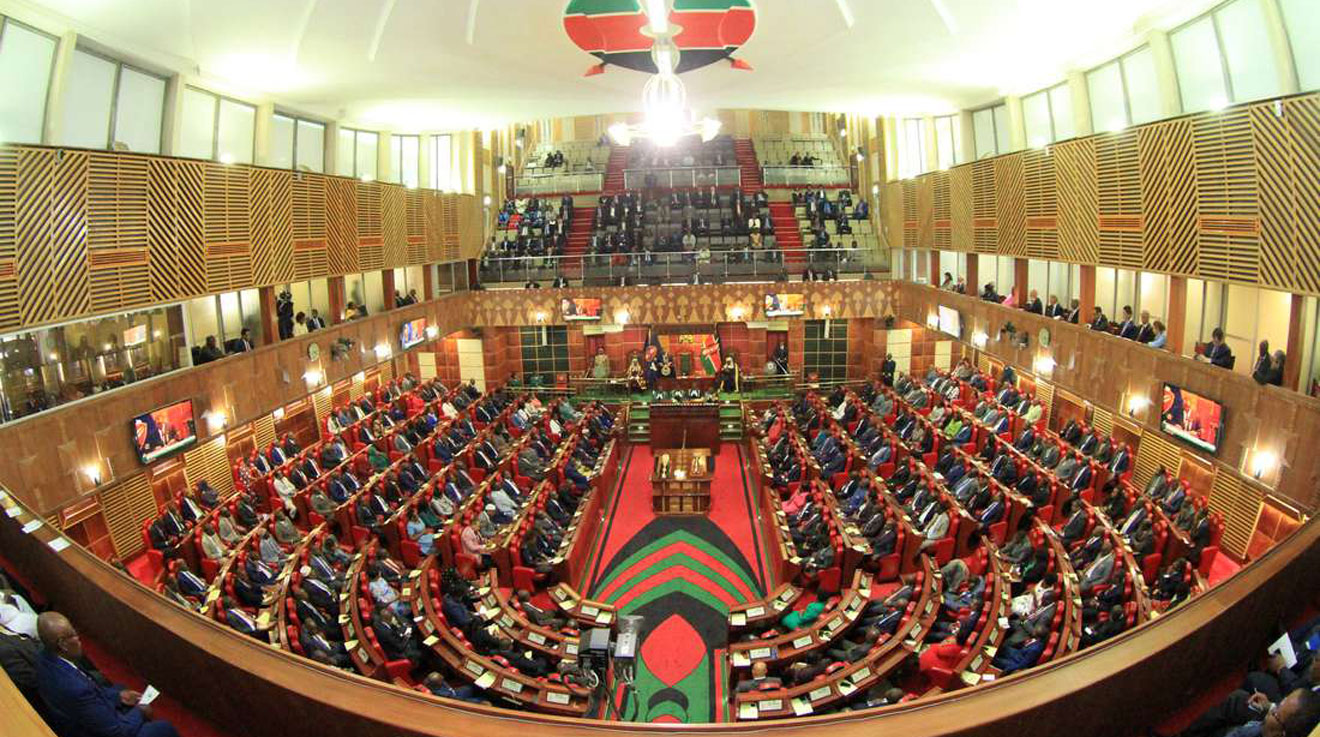
The disclosure came as MPs pressed officials to explain how the country intends to tackle AI-generated misinformation, data breaches, impersonation and other risks associated with emerging technologies during an increasingly digital election campaign.
“AI could be exploited to impersonate political leaders, spread misleading information and undermine confidence in electoral processes,” Principal Secretary John Tanui warned the committee, outlining the challenges the Government was preparing to confront.
The ministry acknowledged that the funding gap could slow the implementation of the Kenya National Artificial Intelligence Strategy 2025–2030, saying it would seek resources from the National Treasury and development partners.
Despite the financial constraints, the Government plans to submit the Draft Kenya Artificial Intelligence and Other Emerging Technologies Policy to Cabinet by December, with work on an AI Bill expected to begin in January 2027 in collaboration with the Office of the Attorney-General.
The proposed legislation is expected to address accountability, transparency, discrimination in automated decisions, human oversight and protection of personal information.
The discussions took place in Kiambu County on Friday, November 27, during a briefing to the committee chaired by Dagoretti South MP John Kiarie, where legislators demanded practical measures to protect Kenyans from digital manipulation.
Isiolo South MP Mohamed Tubi warned that politicians could be targeted using fabricated images and other manipulated content capable of damaging reputations before victims have an opportunity to respond.
The legislators challenged the ministry to establish mechanisms for monitoring digital abuses across all 47 counties, arguing that policy documents alone would not be sufficient to address the scale of the threat.
They called for closer coordination between ICT agencies, the data protection regulator, media bodies and law enforcement agencies to enable citizens to report abuses and ensure complaints are investigated.
Tanui said the Government was working with the Independent Electoral and Boundaries Commission, the Communications Authority of Kenya, the National Cohesion and Integration Commission and law enforcement agencies to strengthen the detection and investigation of manipulated content.
The ministry is also seeking cooperation with technology platforms to improve reporting and removal of harmful content.
The concerns come as political campaigns increasingly rely on social media platforms, where manipulated videos, fabricated statements and impersonation can spread rapidly, potentially influencing public perception of candidates and electoral institutions.
MPs raise concerns over data breaches
Beyond election misinformation, lawmakers questioned the Government's ability to protect sensitive information held by public institutions and private entities, citing concerns over reported data breaches, including the incident involving the Business Registration Service.
Committee chairman John Kiarie demanded clarity on how investigations into major data breaches would be conducted, particularly where international technology firms or foreign infrastructure were involved.
“How are these lawsuits going to be managed, and what are your international dependencies in cooperation on such investigations when they arise?” Kiarie asked.
The inquiry also examined the protection of biometric, financial and health information, with officials saying the proposed AI regulatory framework would require privacy safeguards to be incorporated into systems from the design stage.
The ministry maintained that foreign companies processing personal data belonging to Kenyans remained subject to the Data Protection Act, 2019.
AI and the future of Kenyan languages
Kiarie also raised concerns about the dominance of English in AI development and the potential implications for indigenous African languages, questioning whether technological advancement could marginalise traditional languages.
“What is the realistic possibility of the death of traditional languages and tongues in Kenya specifically, and in Africa, from your observation?” he asked.
The committee sought details on locally developed AI innovations, ongoing research, public education campaigns and training programmes for government officers, arguing that Kenya should not simply rely on imported technologies.
The Government, however, pointed to several AI applications already in use across public institutions.
The Kenya Revenue Authority uses its Shuru AI chatbot to support taxpayers through its WhatsApp filing service, while the Ministry of Health has deployed AI-assisted chest X-rays for tuberculosis detection.
The Kenya Meteorological Department is also piloting AI-assisted rainfall forecasting to support farmers, while Konza Technopolis hosts an AI-enabled cybersecurity monitoring facility.
Officials said AI could improve revenue collection, immigration processing, public procurement monitoring and law enforcement, but insisted that institutions deploying automated systems must remain accountable for their decisions.
The Government also acknowledged concerns over children's exposure to AI-generated sexual abuse material, cyberbullying, impersonation and online exploitation.
On employment, the ministry proposed a sector-by-sector assessment involving the Labour Ministry, the Kenya National Bureau of Statistics, employers and workers to determine AI's impact on jobs, earnings, working hours and recruitment, particularly at entry level.
It said digital skills programmes, including Jitume facilities and digital hubs, were being expanded to prepare young people for opportunities in the digital economy.
However, the absence of a dedicated AI budget emerged as a key concern, with lawmakers questioning whether the Government could effectively implement its strategy, develop local technologies and enforce safeguards against abuses.
With the 2027 elections approaching and AI-generated content becoming increasingly accessible, the challenge for Kenya will be translating policy ambitions into enforceable laws, adequately funded institutions and mechanisms capable of protecting voters from digital manipulation.
The ministry's proposed AI Bill, expected to begin taking shape in January, could provide the legal framework, but its effectiveness will depend on how quickly it is developed, funded and implemented.