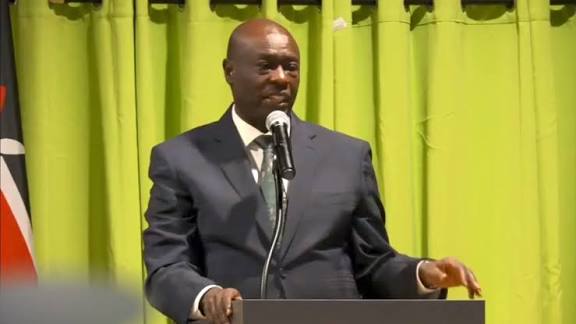
The Senate Standing Committee on Finance and Budget has directed the County Government of Wajir and the Public Procurement Regulatory Authority (PPRA) to collaborate in addressing procurement documentation gaps and strengthening accountability in public spending.
The directive was issued during a committee session on Thursday, June 4, 2026, where Wajir Governor Ahmed Abdullahi appeared before lawmakers to respond to concerns regarding the county’s procurement records and compliance with procurement regulations.
While defending his administration’s record, Governor Abdullahi explained that the county faced technical challenges when uploading its 2022-2023 procurement plan to the Public Procurement Information Portal (PPIP). He assured senators that the issue was not a result of deliberate non-compliance but stemmed from system-related difficulties.
The governor further informed the committee that procurement records for the 2023-2024 and 2024-2025 financial years had been successfully uploaded, demonstrating the county’s commitment to transparency and regulatory compliance.
According to Abdullahi, Wajir County has published a total of 763 tenders on the procurement portal, providing public access to information on government contracts and procurement opportunities.
He also highlighted measures taken to promote fairness and accountability in procurement, noting that the county exclusively relied on open tenders and requests for quotations during the period under review.
Additionally, the governor told the committee that the county recorded zero contract variations and no terminated tenders, a development he said reflects prudent procurement management and adherence to established procedures.
The committee, chaired by Mandera Senator Ali Roba, emphasized the need for close cooperation between Wajir County and PPRA to ensure all procurement records are properly documented and accessible. Senators noted that complete and accurate procurement records are essential for enhancing public confidence, preventing misuse of public resources, and promoting transparency in county governments.
The Senate’s intervention comes amid increased scrutiny of county spending and procurement practices as oversight institutions continue to push for stronger accountability mechanisms across devolved units.