Gachagua Explains Why He Holds No Grudge Against Sifuna
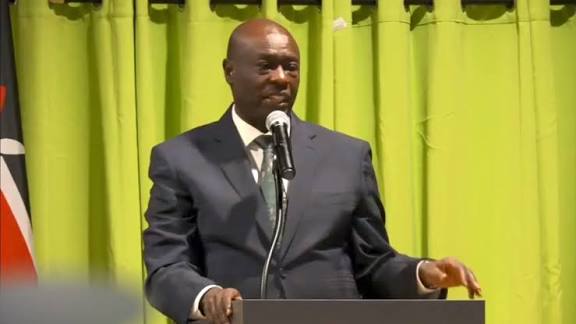
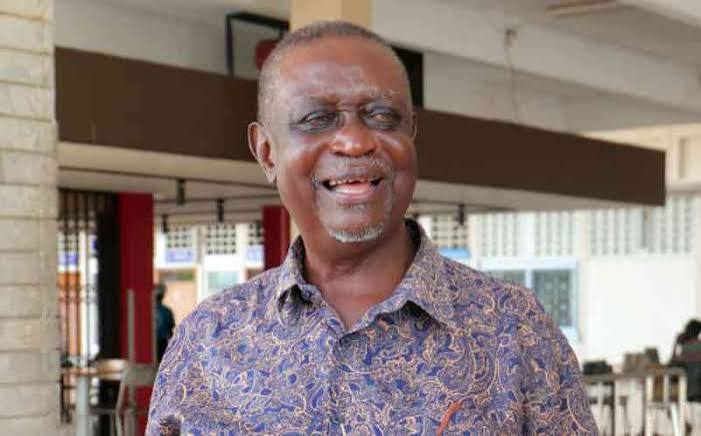
The political relationship between Rigathi Gachagua and Edwin Sifuna has taken an unexpected turn following their transition from opposing camps during the impeachment proceedings to exploring cooperation within the opposition.
Gachagua was removed from office on October 17, 2024, after 54 senators voted to uphold five of the 11 charges brought against him.
At the time, Sifuna was serving as the Orange Democratic Movement (ODM) secretary general and participated in the party's political decisions surrounding the proceedings.
Despite their opposing positions, Gachagua says he does not consider the senator's actions a betrayal.
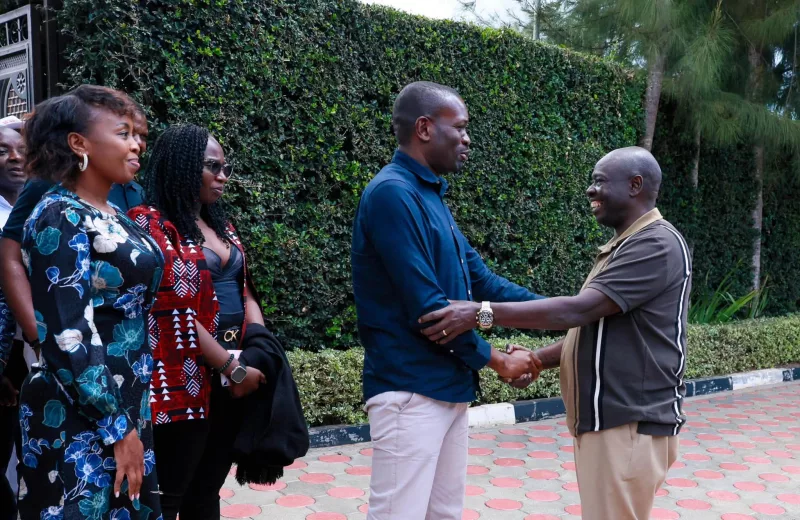
The former Deputy President revealed that he questioned Sifuna about his impeachment role when the Nairobi senator visited his Wamunyoro residence on October 20.
According to Gachagua, Sifuna explained that his position was consistent with ODM's political interests at the time, given that the party was on the opposite side of the political divide from President William Ruto and his deputy.
Gachagua said he understood the explanation and accepted that Sifuna had acted according to the interests of his political camp.
He argued that the two were not allies when the impeachment took place, making it unreasonable to expect the senator to defend him politically.
Why Gachagua Believes His Impeachment Hurt Ruto
Beyond putting their past differences behind them, Gachagua believes the impeachment had consequences that extended far beyond his removal from office.
As Ruto's running mate in the 2022 General Election, Gachagua played a significant role in mobilising support for the Kenya Kwanza ticket across the Mount Kenya region.
His removal, he argues, created a political rift between the President and a community that had helped propel their administration to power.
Gachagua believes ODM leaders understood that removing him from the political equation could undermine Ruto's relationship with Mount Kenya voters.
According to the former Deputy President, the developments have since worked against the President's re-election ambitions, although the actual electoral outcome will depend on voters' decisions in 2027.
He maintains that the impeachment ultimately strengthened his position within the opposition by giving him an opportunity to reorganise politically and challenge the administration he once served.
For Gachagua, what initially appeared to be a major political setback has become an opportunity to build new alliances and mobilise support beyond his former government position.
Gachagua Says Kenya Kwanza Allies Were the Real Betrayers
While dismissing the idea that Sifuna betrayed him, Gachagua drew a clear distinction between political opponents and people who had previously worked alongside him.
He argued that betrayal should be judged against the commitments made between political partners rather than disagreements involving rival camps.
According to him, the greater disappointment came from members of the Kenya Kwanza coalition who had campaigned alongside him and shared an agreement on how they would work together in government.
Gachagua's remarks suggest that his political grievances are directed more towards former allies than those who opposed him from the beginning.
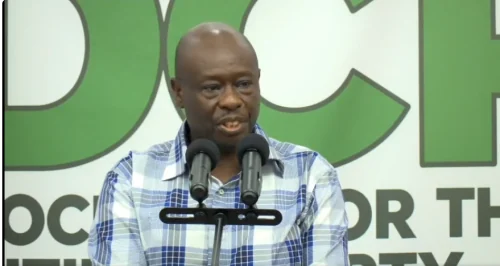
He also indicated that his Democracy for the Citizens Party (DCP) remains open to politicians who have reconsidered their association with the ruling coalition.
The former Deputy President said those wishing to join his party would be welcomed without a complicated screening process, provided they formally register as members and pay the required membership fees.
His position signals an effort to attract politicians who believe their political future lies outside the current government coalition.
Sifuna's Political Future Adds Another Dimension to Opposition Talks
Sifuna's relationship with the ODM leadership has also changed significantly since the impeachment proceedings.
The senator has found himself at odds with sections of the party over its political direction and its decision to support Ruto's re-election ambitions.
Those disagreements have added to uncertainty surrounding his political future as opposition leaders explore possible arrangements ahead of 2027.
His name has also featured in discussions about who could eventually carry the opposition's presidential ticket.
For Gachagua, the possibility of working with former political opponents appears to reflect a broader calculation: building a coalition capable of attracting support from different regions and political constituencies.
However, agreeing on a common presidential candidate could prove challenging, particularly as several opposition figures weigh their own ambitions against the need for a united front.
The opposition's ability to manage those competing interests could determine whether its emerging partnerships translate into a credible electoral challenge.
Gachagua Says Ruto Must Answer to Mount Kenya
Gachagua maintains that Ruto will face difficult questions from voters in Mount Kenya over the events that led to his removal from the deputy presidency.
He argues that the community supported the Kenya Kwanza ticket in 2022 partly because of his position as Ruto's running mate, making his subsequent impeachment a politically significant issue.
The former Deputy President believes the President will have to explain why their political partnership collapsed and why his former deputy was removed from office.
He contrasted the situation in Mount Kenya with regions that supported different political camps during the previous election, arguing that the circumstances surrounding the impeachment carry different political implications for each constituency.
Whether these arguments will influence voting patterns in 2027 remains to be seen, but Gachagua clearly intends to make the impeachment part of the wider conversation about trust, political agreements and accountability.
Why Gachagua Wants Opposition Leaders to Put Differences Aside
Although Gachagua initially expressed interest in running for president, his recent political positioning has increasingly emphasised cooperation among opposition leaders.
He says defeating the incumbent will require politicians to look beyond personal disagreements, including disputes over past decisions that may have appeared hostile at the time.
His willingness to work with people who supported his impeachment illustrates the strategy he is advocating.
Rather than allowing the events of 2024 to determine his future alliances, Gachagua says he wants to focus on the political opportunities ahead.
He has described the impeachment as a positive turning point, arguing that his current position gives him greater freedom to engage with different leaders and help shape the opposition's direction.
The challenge will be turning that message into a workable agreement on leadership, policy priorities and a common presidential candidate.
With the 2027 election approaching, opposition leaders will need to demonstrate that their cooperation extends beyond shared opposition to Ruto and includes a convincing plan for governing the country.