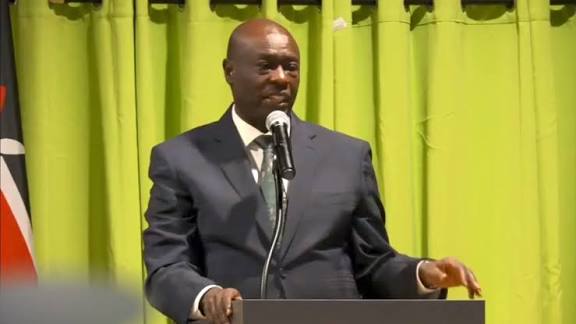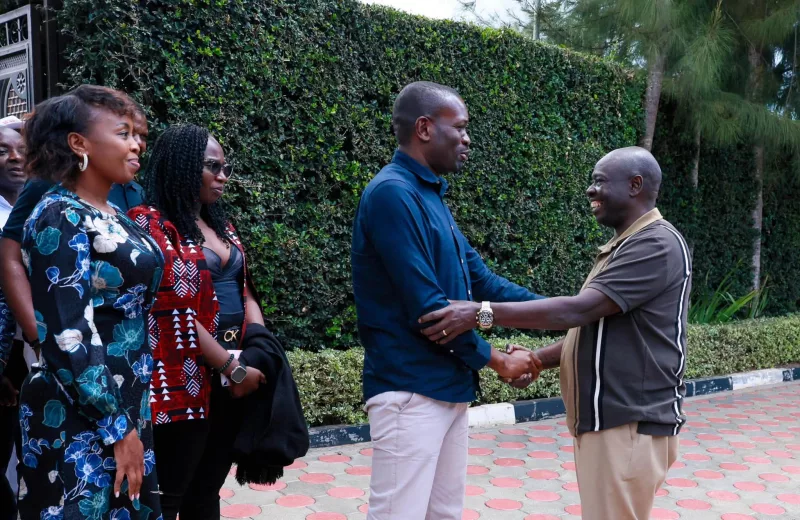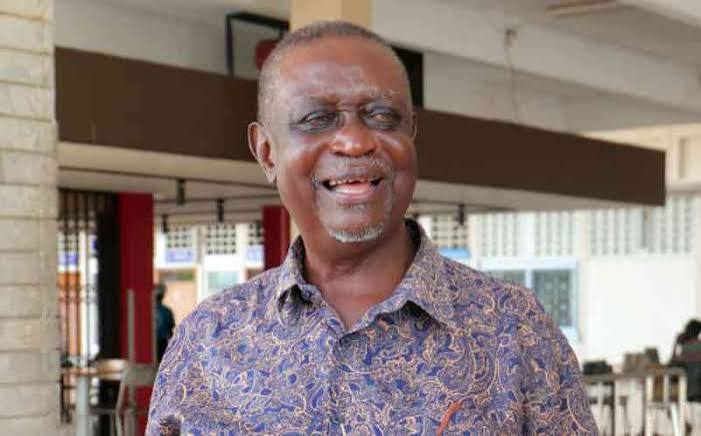
Kibwezi West Member of Parliament Mwengi Mutuse has urged Parliament to consider stricter legal consequences for public officers removed from office through impeachment, following the High Court ruling that upheld the impeachment of former Deputy President Rigathi Gachagua.
Mutuse, who sponsored the impeachment motion against Gachagua in the National Assembly, welcomed the court’s decision and said it had validated the case presented before Parliament.
In a statement issued on Monday, June 8, 2026, the lawmaker said the judgement provided important legal clarity on the constitutional framework governing impeachment and accountability for senior public officials.
“I was certain that our courts could not have arrived at any other finding than to uphold the impeachment of Mr. Rigathi Gachagua,” Mutuse stated.
“As the mover of the impeachment motion, I feel vindicated and congratulate the three-judge bench for comprehensively clarifying the law on impeachment.”
The MP argued that the ruling should spark a wider national conversation about the consequences that should follow once a public officer has been removed from office through an impeachment process.
According to Mutuse, Kenya’s legal framework may require further strengthening to address what happens after an impeachment is concluded, particularly regarding the political activities of those removed from office.
He questioned whether impeached leaders should continue enjoying the full scope of political rights under Article 38 of the Constitution, including participation in political party affairs, campaigning for candidates, and influencing public governance.
“Isn’t this akin to a convict in a criminal trial walking freely in the streets instead of serving their sentence?” Mutuse asked.
The legislator maintained that public officials removed through impeachment should be subjected to additional restrictions and should refrain from active participation in public and political life.
He further called on Parliament to review existing laws and address what he described as legislative gaps exposed during the impeachment process and subsequent court proceedings.
Mutuse's remarks come amid ongoing debate over the implications of the High Court ruling, which upheld Gachagua’s impeachment while also finding that his constitutional right to a fair hearing had been violated. The judgement has generated varying legal interpretations regarding the extent of the consequences that should flow from an impeachment.
As discussions continue, legal experts and political leaders are expected to weigh in on whether constitutional and statutory reforms are necessary to define the rights and limitations of impeached public officials more clearly.