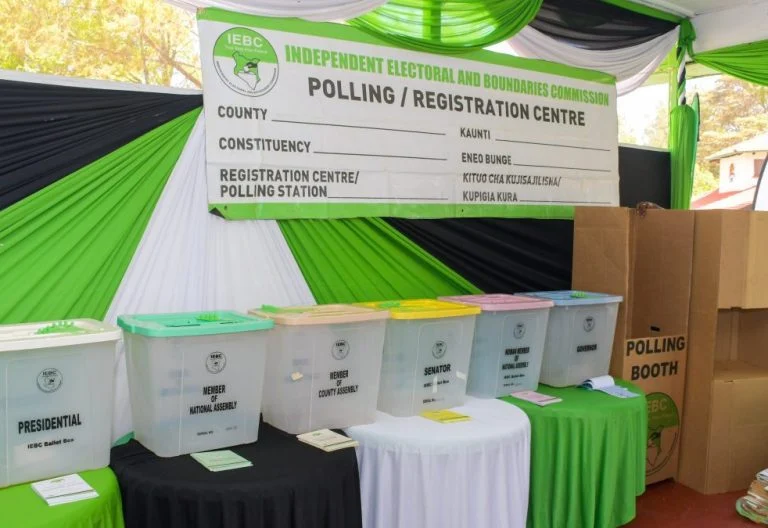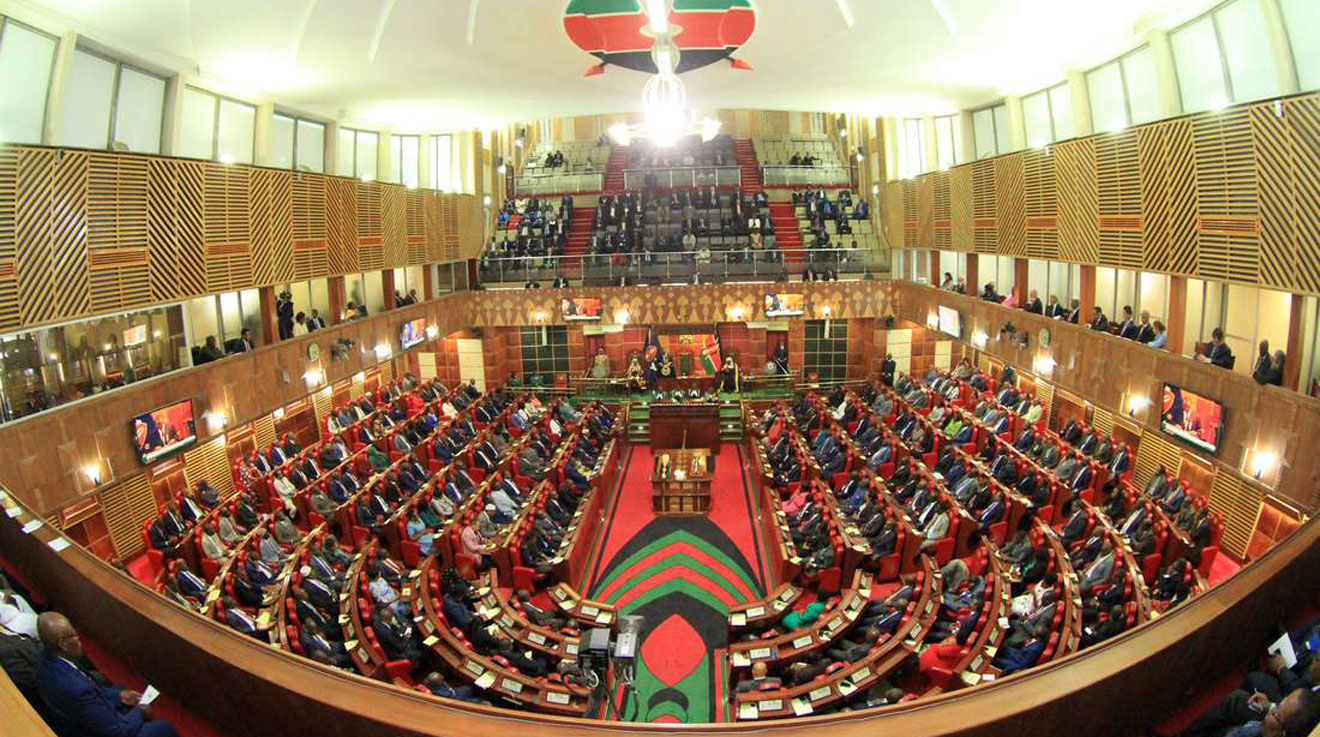
The Senate has launched an early push for electoral reforms ahead of the 2027 General Election, warning against last-minute legal changes that have historically triggered uncertainty, litigation and mistrust in Kenya's electoral process.
The Senate Committee on Justice, Legal Affairs and Human Rights on Thursday convened key electoral institutions, including the Independent Electoral and Boundaries Commission (IEBC), the Judiciary and the Office of the Registrar of Political Parties (ORPP), to assess their state of preparedness and gather proposals for legislative reforms.
Committee Chairperson Hillary Sigei said Parliament was determined to ensure all election-related laws are reviewed and enacted well before the country enters the election cycle.
"The Committee is keen to ensure that all proposals touching on the 2027 General Election are processed in good time. Electoral reforms must not come too late because late reforms create uncertainty for institutions, candidates and voters," said Mr Sigei.
The meeting signals the beginning of what could become one of the most consequential electoral reform processes ahead of the next General Election, with institutions seeking legal, administrative and technological changes aimed at enhancing transparency, efficiency and public confidence.
Representing the Judiciary, Justice Francis Tuiyott told senators that the courts had already begun preparations for the next election cycle, citing the critical role of timely dispute resolution in safeguarding the credibility of elections.
"The Judiciary is preparing early because election dispute resolution is time-sensitive and central to public confidence in the democratic process," said Justice Tuiyott.
He said the Judiciary was focusing on strengthening case management systems, capacity building for judicial officers, the use of technology and coordination with stakeholders before the country enters the peak election period.
The Judiciary also proposed reforms touching on election petitions, alternative dispute resolution mechanisms, appellate procedures, review powers of election courts and increased funding during election periods.
The Office of the Registrar of Political Parties warned that weaknesses within political parties often spill over into the broader electoral system, creating disputes that end up before tribunals and courts.
Speaking on behalf of the Registrar's office, John Cox Lorionokou said efforts were underway to strengthen political party registration, digital membership systems, compliance monitoring and party dispute management.
"Political parties are the gateway to elections. If party nominations, membership registers and coalition arrangements are not clear and credible, the pressure moves to tribunals, courts and the electoral system," he said.
The ORPP proposed amendments to the Political Parties Act targeting party nominations, coalition agreements, party hopping, internal democracy, voluntary dissolution of parties and the use of technology in party operations.
The IEBC, represented by Ruth Kulundu, assured senators that preparations for the 2027 polls were progressing, with the commission prioritising voter registration, voter education and the strengthening of election management systems.
"The Commission remains on course in its preparations for the 2027 General Election. Our priority is to strengthen voter registration, improve operational systems, enhance civic education and work with stakeholders to deliver a credible, transparent and inclusive electoral process," said Ms Kulundu.
The Senate committee is expected to review the submissions and legislative proposals presented by the three institutions before formulating recommendations that could shape the legal and operational framework of the 2027 General Election.
The early engagement comes against the backdrop of recurring calls for comprehensive electoral reforms, with policymakers seeking to avoid the legal disputes, operational challenges and political tensions that have accompanied previous election cycles.