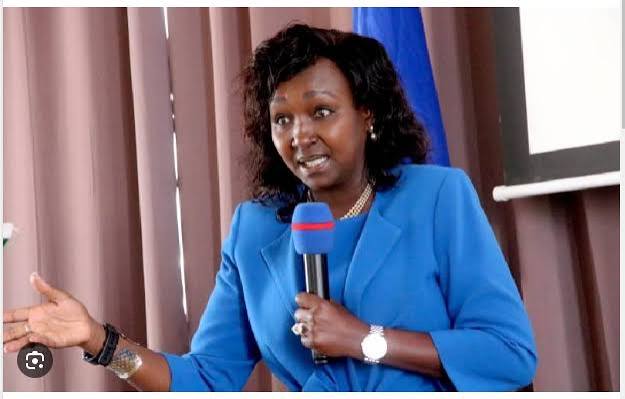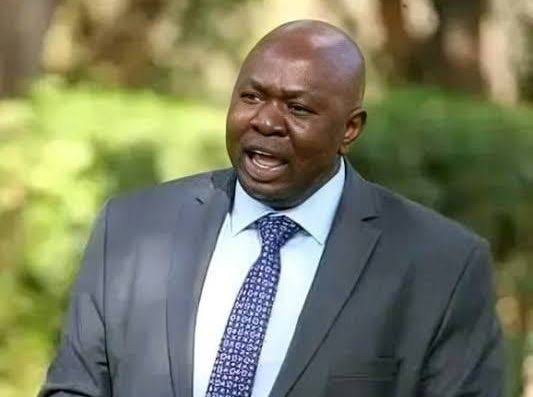
Owino described Omar’s comments as careless, warning that such statements could heighten political tensions and undermine public confidence in the electoral process ahead of the polls.
Speaking during an interview on Monday, September 14, 2026, Owino said the IEBC had a responsibility to respond firmly to statements by political leaders that could affect the credibility of the election.
“The head of IEBC is supposed to take stern action against Hassan Omar because that is their mandate. It is equally a very careless statement; you don’t expect that kind of statement from a secretary general of a ruling party. It makes the situation very volatile, and for that reason, he would take responsibility for his statement as an individual,” Owino said.
Hassan Omar’s ‘dead voters’ remarks
Owino’s comments followed remarks by Omar at a political gathering in Mombasa, where the UDA official claimed that even deceased people could be used to vote for President William Ruto in the 2027 election.
Omar suggested that supporters could mobilise deceased voters and use their fingerprints before burial, remarks that triggered renewed debate over the security of Kenya’s electoral system.
The comments have added to ongoing discussions surrounding voter registration, biometric verification and the ability of the electoral commission to prevent irregularities during the 2027 General Election.
The election is scheduled for August 10, 2027, according to the official timetable published by the IEBC.
IEBC dismisses possibility of dead voters
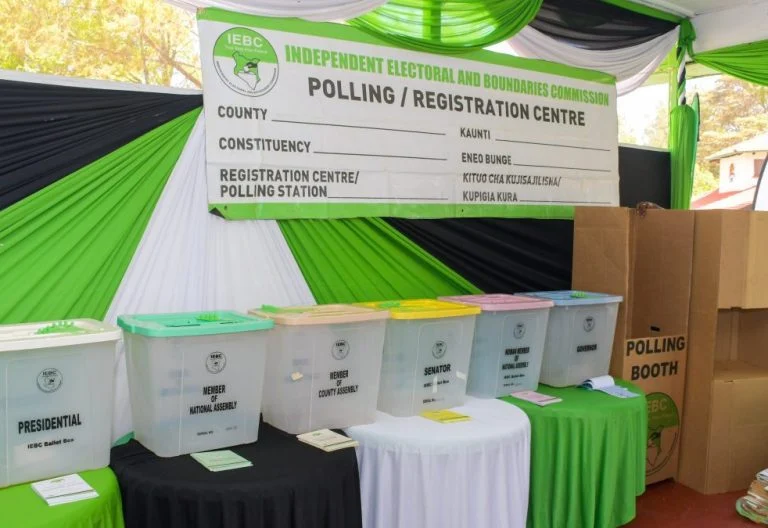
The IEBC has since rejected the possibility of deceased persons being verified as voters through the biometric system.
IEBC Commissioner Alutalala Mukhwana said the Kenya Integrated Elections Management System (KIEMS) kits rely on more than fingerprints when verifying voters.
“ Hakuna kura itakayo ibiwa. Mashine za KIMS Kit zatumia si vidole tu, lakini pia nembo ya macho. Sasa aliyekufa pia macho yako wazi?” Mukhwana said.
He explained that the technology uses biometric identifiers, including fingerprints and iris recognition, to verify voters and prevent impersonation.
“The machines we have rely on biometrics such as fingerprints and irises. So how can a dead person register as a voter or even vote?” he asked.
Mukhwana also cautioned political leaders against making statements that could undermine public confidence in the electoral commission.
Election credibility takes centre stage
The exchange comes as the IEBC steps up preparations for the 2027 polls amid growing scrutiny over the credibility and security of the electoral process.
IEBC Chairperson Erastus Edung Ethekon has previously cautioned political leaders against repeatedly portraying the commission as compromised, warning that such claims could damage public confidence in the institution.
The commission has also published the official election notice setting out the framework for the 2027 General Election.
Owino’s call for action against Omar has renewed focus on the responsibility of political leaders to account for their statements as political activity intensifies ahead of the polls.
With the 2027 election drawing closer, the IEBC is under increasing pressure to demonstrate its preparedness and assure Kenyans that the electoral system can safeguard the integrity of the vote.